Are Hard Dog Treats Essential? The Amazing Benefits of Chewing and Dental Care
When my pup was about 5 months old, I came home from work one day to find the leg of my solid wood dining table completely gnawed to shreds. My initial reaction was pure shock, and I was just about to scold him. But then it hit me—he was right in the middle of teething. I realized how incredibly itchy and sore his gums must have felt, and honestly, my heart just broke for him.
From that day on, I frantically started researching safe dog chews and long-lasting treats. But as I was about to hand them over, a wave of anxiety hit: Are these hard dog treats safe for his teeth? Is it really safe to give him a chew every single day? If you’re a fellow pet parent, you’ve probably found yourself asking these exact same questions. Let’s dive deep into why the act of chewing is so vital for our dogs, and how we can safely provide the best dental chews for their overall well-being.
1. The Instinctual Reasons Why Dogs Love to Chew
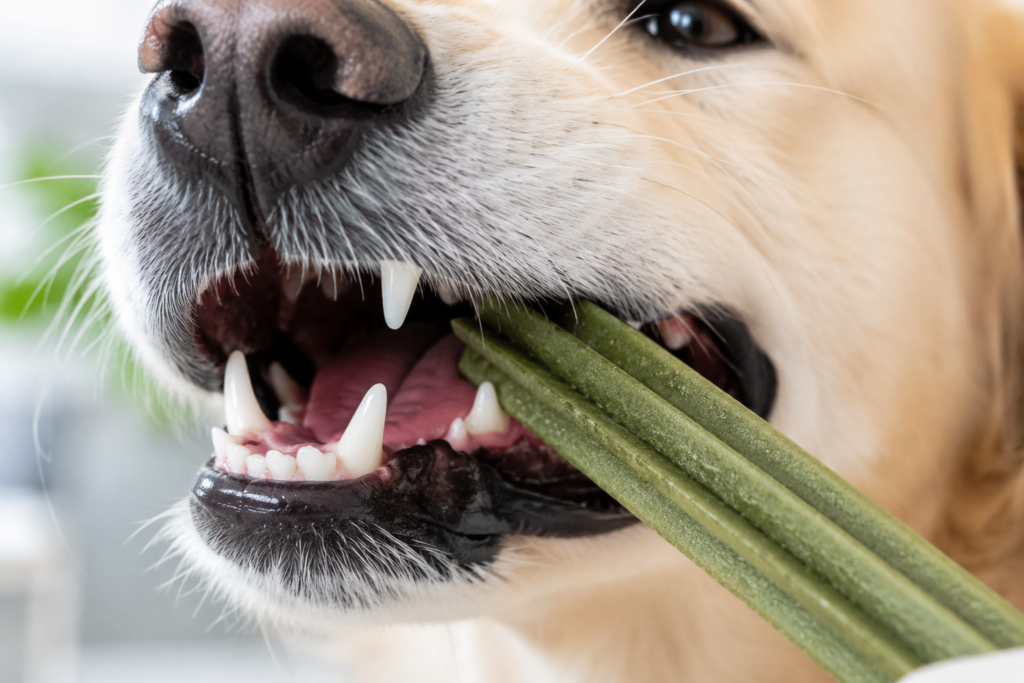
When a dog constantly chews on household items or hard dog treats, it’s not just them being mischievous—it’s an instinct deeply hardwired into their DNA. As descendants of wolves and other wild canines, dogs naturally inherited the urge to gnaw on bones and meat. Using their mouths and teeth to explore their environment and release pent-up energy is a perfectly natural and essential canine behavior.
Puppy Teething Relief: Between 3 to 6 months of age, puppies go through a painful teething phase as they lose their baby teeth and their adult teeth come in. During this time, their gums feel tender and itchy. The physical act of gnawing on a good chew massages the gums and provides immense relief from this physical discomfort.
Achieving Psychological Comfort: When a dog is highly focused on chewing, their brain releases endorphins—natural “feel-good” chemicals that help them self-soothe. Whether they are feeling a bit anxious or simply bored, chewing on a treat is their natural way of finding psychological stability and calm.
2.Key Physical Health Benefits of Chewing
Beyond just relieving stress, the act of chewing has a direct and profound impact on your dog’s physical health. Mastication (the scientific term for chewing) plays an incredibly useful role, particularly when it comes to oral care and canine digestion.
Natural Tartar Control and Maintaining Oral Health
The physical friction generated when your dog chomps down on a chew with the right texture is a game-changer for dental hygiene. This scraping action disrupts dental plaque before it gets the chance to harden onto the enamel. Incorporating a daily dental chew into your routine can significantly delay the formation of stubborn tartar.
- Check for the Seal of Acceptance: When shopping for oral care treats, always look for the VOHC (Veterinary Oral Health Council) Accepted Seal. This is a fantastic, objective benchmark that guarantees the product is clinically proven to control plaque and tartar.
- Beware of Tooth Damage: You should strictly avoid excessively hard items like antlers, marrow bones, or hard nylon/plastic toys. A great rule of thumb is the “thumbnail test”—if you press your thumbnail into the chew and it doesn’t leave a slight indent, it’s too hard and could lead to severe tooth fractures.
- Recognize Their Supplementary Role: While chewing is an excellent supplementary tool, it cannot entirely replace daily doggy tooth brushing. If your dog’s oral health is already compromised, it’s best to consult your veterinarian for a professional cleaning rather than relying solely on treats.
Jaw Muscle Maintenance and Digestive Support
Regular chewing exercises keep your dog’s jaw muscles strong and healthy while significantly increasing their saliva production.
- The Self-Cleaning Action of Saliva: An abundant flow of saliva acts as a natural mouthwash, flushing away tiny food particles and helping to maintain a clean, bacteria-balanced oral environment.
- Signaling the Digestive Tract: The mechanical action of chewing sends signals to the brain and gastrointestinal tract, prompting the release of stomach acids and digestive enzymes. This is a brilliant physiological advantage that preps the stomach, ensuring the smooth digestion and absorption of their subsequent meals.
3. Stress Relief and Anxiety Reduction
Treat time is the ultimate “healing time” for your dog. A prolonged chewing session triggers the release of natural rewarding and calming hormones, which effectively lowers your dog’s overall stress levels.
- Vitality for Indoor Dogs: For dogs that spend the majority of their time indoors, providing safe items to chew on is a superb form of canine enrichment. It busts boredom and burns off mental energy, keeping them stimulated and happy.
- Easing Separation Anxiety: Giving your dog a long-lasting chew right as you head out the door can help them associate your departure with a positive, rewarding experience. This can gently ease mild separation anxiety. However, if your dog shows severe signs of distress, such as destructive behavior or inappropriate elimination, we highly recommend pairing these treats with professional behavioral training.
4. A Guide to Choosing Safe Hard Dog Treats by Age
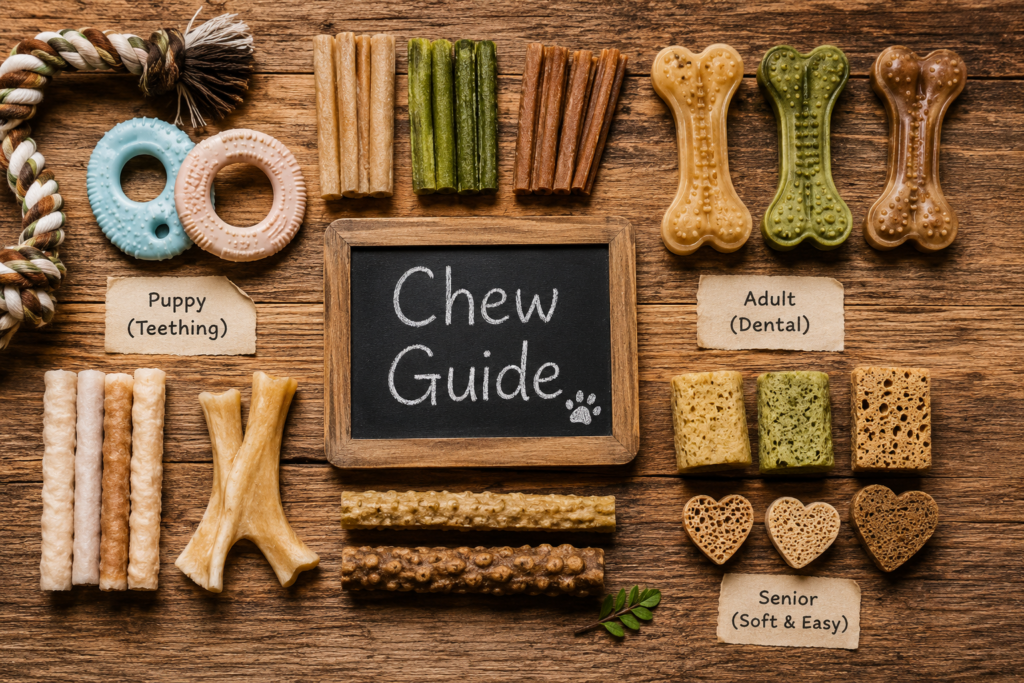
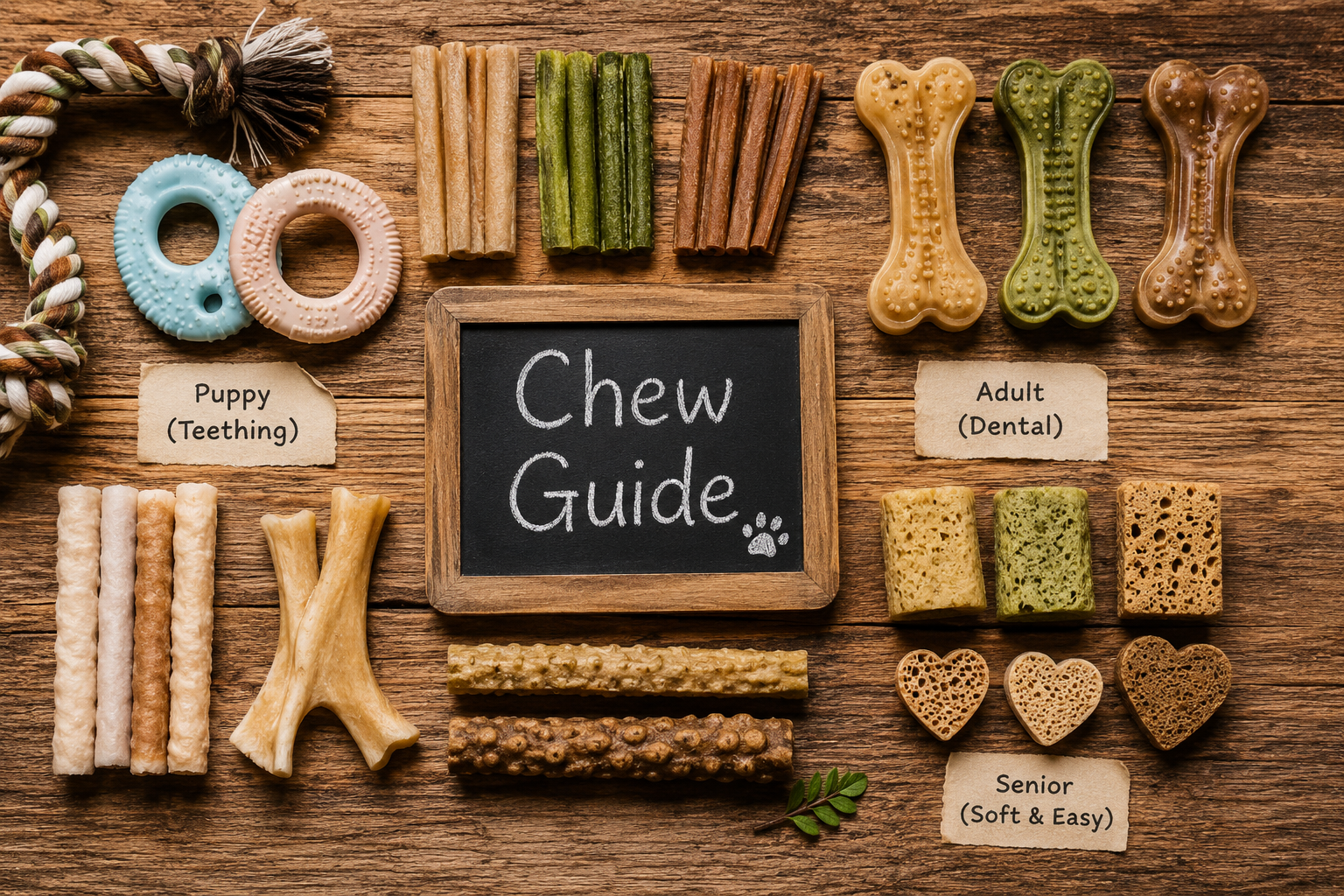
- AI Image Prompt: A top-down flat lay image displaying a variety of dog chews neatly arranged on a rustic wooden background, including soft puppy teething rings, flexible adult dental bones, and spongy senior dog treats, accompanied by a small chalkboard with the word ‘Chew Guide’, professional studio lighting, 8k.
Selecting the right chew based on your dog’s life stage and current dental health is the most critical step in safe treat-giving.
- For Puppies and Adult Dogs: Puppies whose adult teeth haven’t fully set, as well as small breeds with weaker jaws, do best with softer, highly flexible chews. For adult dogs with fully developed, healthy teeth, durable dental chews with a good amount of bounce and resistance are highly recommended.
- Precautions for Senior Dog Dental Care: Senior dogs often suffer from weakened teeth and sensitive gums, meaning even minor pressure can cause pain or damage. It’s safest to swap out hard chews for ultra-soft, spongy treats, or look into water additives for dogs to maintain their oral hygiene safely.
- Preventing Choking Hazards: Always supervise your dog when they have a chew. Once a treat is chewed down to a size that could be swallowed whole, it becomes a major choking hazard and a risk for intestinal blockages. Even if it feels like a waste, take away the small nubs immediately.
- Pre-Chew Health Check: If you notice bleeding gums, exceptionally bad breath, or a sudden reluctance to eat their regular kibble, stop giving them hard treats right away and schedule a comprehensive dental exam with your vet.
We’ve covered some smart, effective ways to satisfy your dog’s primal urge to chew while fiercely protecting their health. I hope today’s guide helps you make the most informed choices for your furry best friend. Let’s keep treat time safe, fun, and beneficial for our dogs’ health and happiness!
We always love hearing from fellow pet parents, so be sure to share your pup’s absolute favorite safe dog chews in the comments below.
“Are Hard Dog Treats Essential? Chewing Benefits & Safe Dental Chews Guide”에 대한 3개의 생각