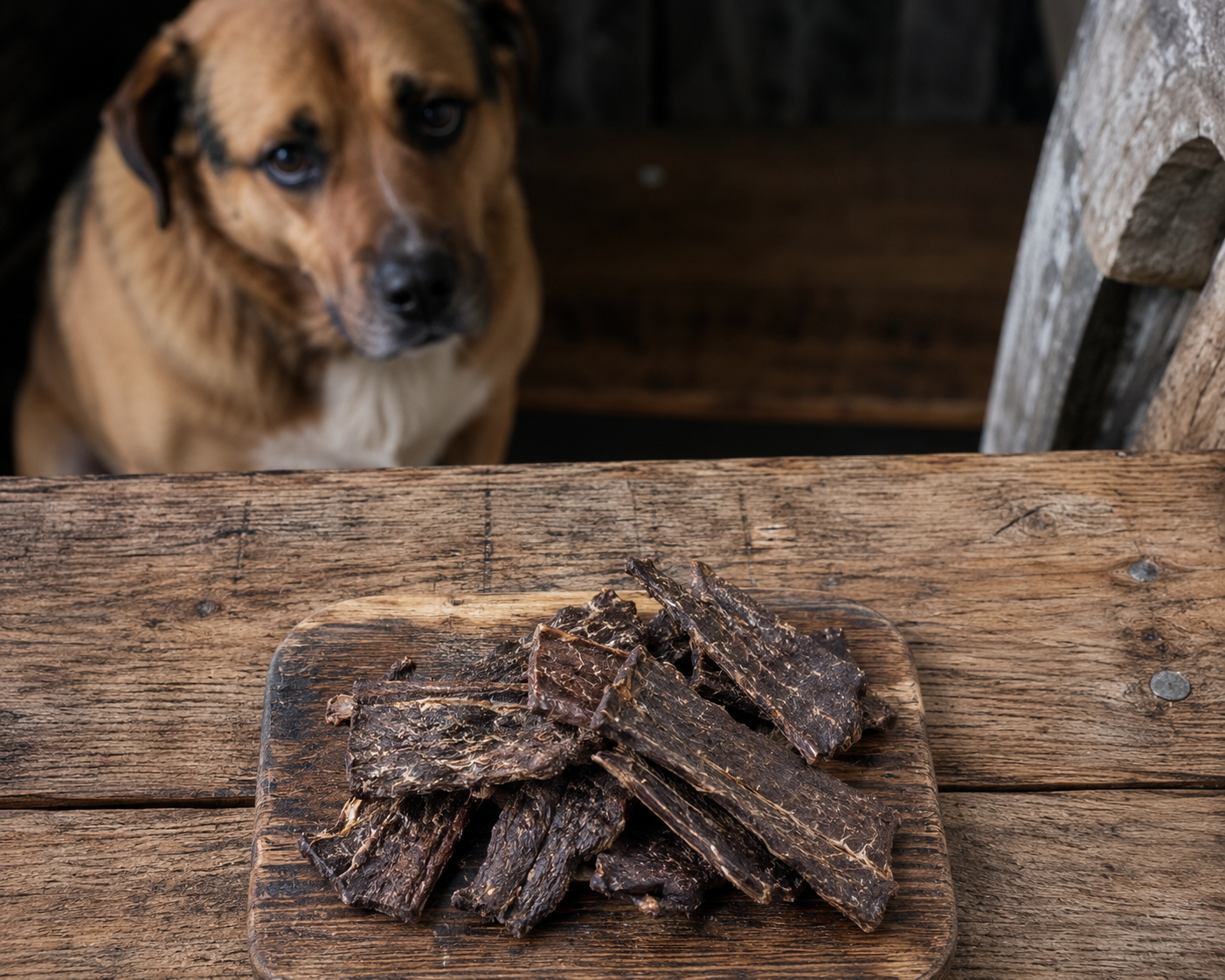
For my dog’s recent birthday, I decided to splurge and bought some premium, handmade beef jerky. Seeing my pup’s tail wag as they happily devoured the special snack made me feel like the absolute best pet parent. But my pride quickly turned to panic when I woke up at 3 AM to the sound of hacking. My poor dog had thrown up yellow bile and was suffering from loose, runny stool.
I was heartbroken. I only wanted to give my furry best friend the very best, yet my good intentions ended up making them sick. If you’ve ever experienced this terrifying scenario, you are definitely not alone.
The truth is, a dog’s gastrointestinal tract can easily become overwhelmed when suddenly exposed to new meat proteins or high-fat diets. Their digestive enzymes and gut microbiome simply don’t have the time to adapt, leading to sudden intestinal trouble or temporary vomiting. This is especially true for commercial high-protein dog treats, which often have extremely low moisture content and dense protein levels that require caution.
If you feed your dog too many of these snacks—exceeding 10% of their daily recommended calories—it severely delays gastric emptying time, making indigestion almost inevitable. If your dog experiences persistent abdominal pain, lethargy, or repeated vomiting after eating, it could signal a deeper health issue, and you should consult your vet immediately.
Table of Contents
Why Do Traditional High-Protein Dog Treats Cause Indigestion?
The Hidden Dangers of the Maillard Reaction
Just like humans find a beautifully seared steak appetizing, dogs are drawn to the rich flavors created by the Maillard reaction when meat is cooked at high temperatures. However, during this high-heat process, proteins and sugars bind together to create denatured compounds.
These altered molecular structures actually block the activity of proteolytic enzymes in your dog’s stomach. As a result, the protein absorption rate plummets, and the food stays in the stomach for an abnormally long time, leading to excessive gas and an upset tummy.
- Stomach Lining Irritation: The dark, charred surface of overcooked meat physically and chemically irritates a dog’s surprisingly thin stomach lining.
- Acute Symptoms: This is a leading cause of immediate gastrointestinal discomfort or yellow biliary vomiting shortly after consumption.
The Limits of a Dog’s Stomach Acid
Dogs naturally possess strong stomach acid, with a pH level hovering around 1.5 to 2.5, which is perfectly designed to digest raw meat and bones. However, heavily processed high-protein dog treats with severely heat-denatured peptide bonds are a completely different story. Breaking these down requires significantly more digestive enzymes and a much longer digestion period.
When tough, hard jerky passes into the small intestine without being properly softened in the stomach, it becomes a feast for harmful gut bacteria. This abnormal fermentation process results in painful gas, bloating, and ultimately, diarrhea. Furthermore, high-fat cuts trigger the release of specific hormones that reduce the motility of the gastrointestinal tract, slowing down the entire digestive process.
Safe Manufacturing Alternatives for High-Protein Dog Treats
The Impact of Standard High-Heat Drying
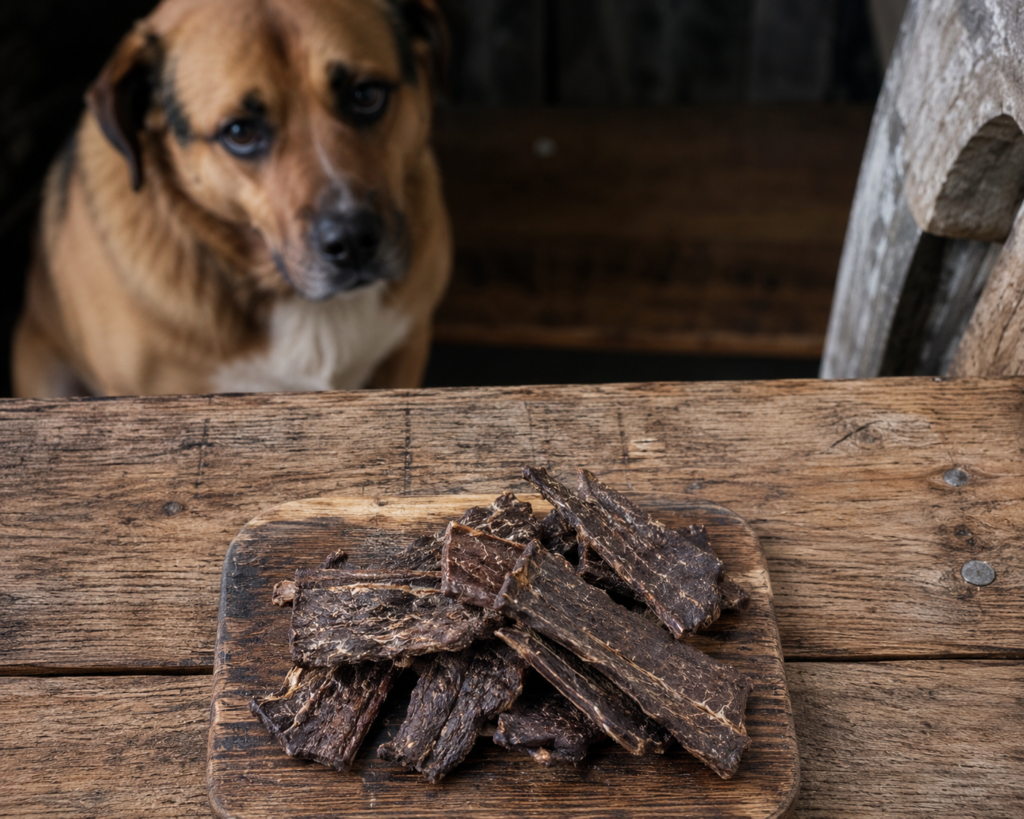
The vast majority of artisanal jerky we see on the market is made using high-temperature hot air drying. This method rapidly evaporates moisture from the surface of the meat, leaving it rock-hard.
The main issue here lies in a dog’s natural eating habits. Unlike humans, dogs rarely chew their food thoroughly; they prefer to gulp and swallow. Swallowing sharp, hardened pieces of meat can physically scratch the stomach wall or even pose a severe choking hazard.
- Bacterial Growth Risks: Sometimes the surface is bone-dry, but the inside remains slightly damp. This trapped moisture can become a breeding ground for harmful microorganisms, potentially causing severe enteritis.
The Superiority of the Oven-Baked Method
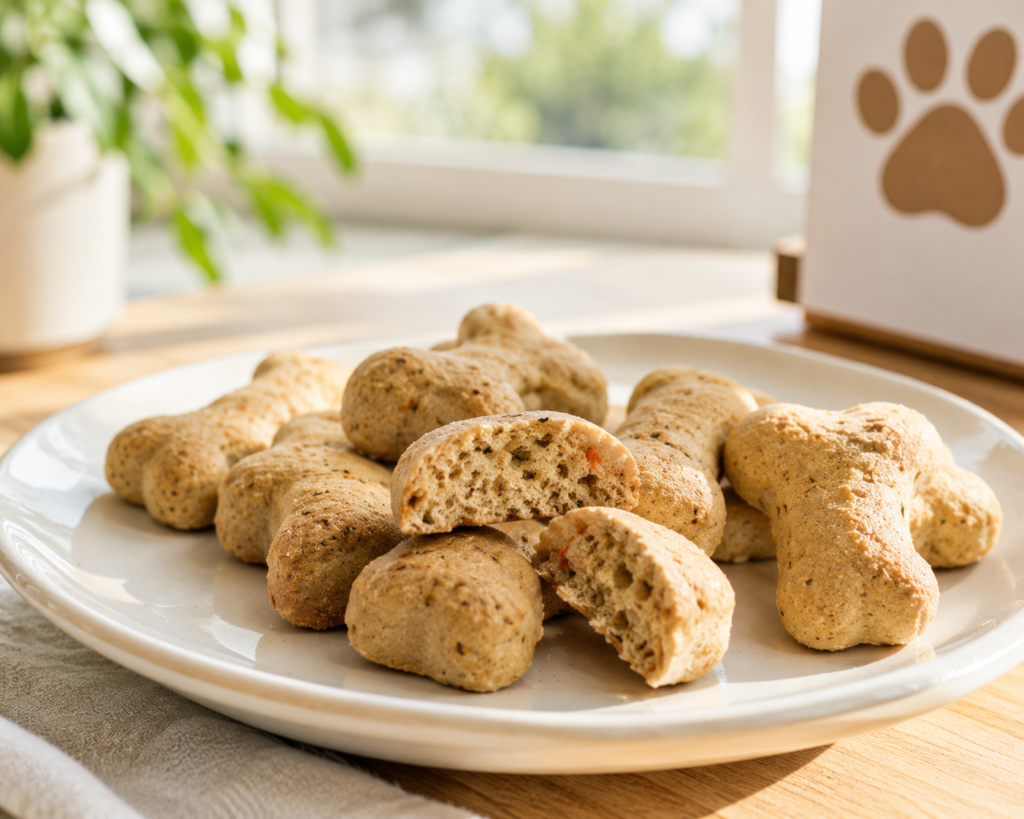
So, what kind of snacks won’t wreck our dogs’ stomachs? Recently, the slow oven-baked method has emerged as the safest alternative to conventional high-protein dog treats. By slowly roasting the meat at low to medium temperatures, this culinary technique minimizes the thermal denaturation of proteins, preserving a nutrient absorption rate that closely mimics raw meat.
Because the heat penetrates evenly, the meat develops a soft, porous structure with microscopic holes. This allows stomach acids and digestive juices to easily seep into the food particles, drastically speeding up the digestion process.
- Protecting the Stomach Mucosa: These treats retain an optimal level of moisture, meaning they cause virtually zero irritation to the stomach lining upon ingestion.
- Perfect for Seniors: Even older dogs with weak teeth or declining gastrointestinal function can comfortably and safely digest this high-quality protein.
Smart Selection Criteria for High-Protein Dog Treats
No matter how healthy or resilient your dog is, it is vital to restrict all meat snacks to less than 10% of their total [🔗daily calorie requirement]. Sticking to this rule prevents nutritional imbalances and keeps their digestive system running smoothly without unnecessary strain.
If your dog has a sensitive stomach, or if you frequently notice them suffering from gas and loose stools after snack time, it’s time to rethink how their food is made. Switching from rock-hard jerky to gently oven-baked high-protein dog treats—which feature significantly less protein denaturation and are infinitely easier to digest—might be the smartest choice you can make to soothe your pet’s tummy.
Always remember that a transition period is mandatory. When introducing a new manufacturing style or unfamiliar ingredients, mix a tiny amount into their regular food over 3 to 5 days and monitor their stool closely. If you notice severe diarrhea or suspect dehydration after a diet change, stop feeding the treats immediately and seek advice from a reputable veterinary organization like the [🔗American Kennel Club (AKC)].
The joy of watching our pets enjoy a delicious snack is wonderful, but ensuring they digest it comfortably and without pain is what truly matters. Starting today, be the smart pet parent who carefully checks the manufacturing process on the back of the bag!
What are your dog’s absolute favorite high-protein dog treats? Have you ever dealt with a scary bout of indigestion after feeding them meat snacks? Please share your stories and tips in the comments below!