🐶 Can Dogs Eat Bananas? A Complete Guide to Peels, Allergies, and Serving Sizes (Trainer Tested!)
Introduction: Are Sweet Bananas a Safe Dog Treat?
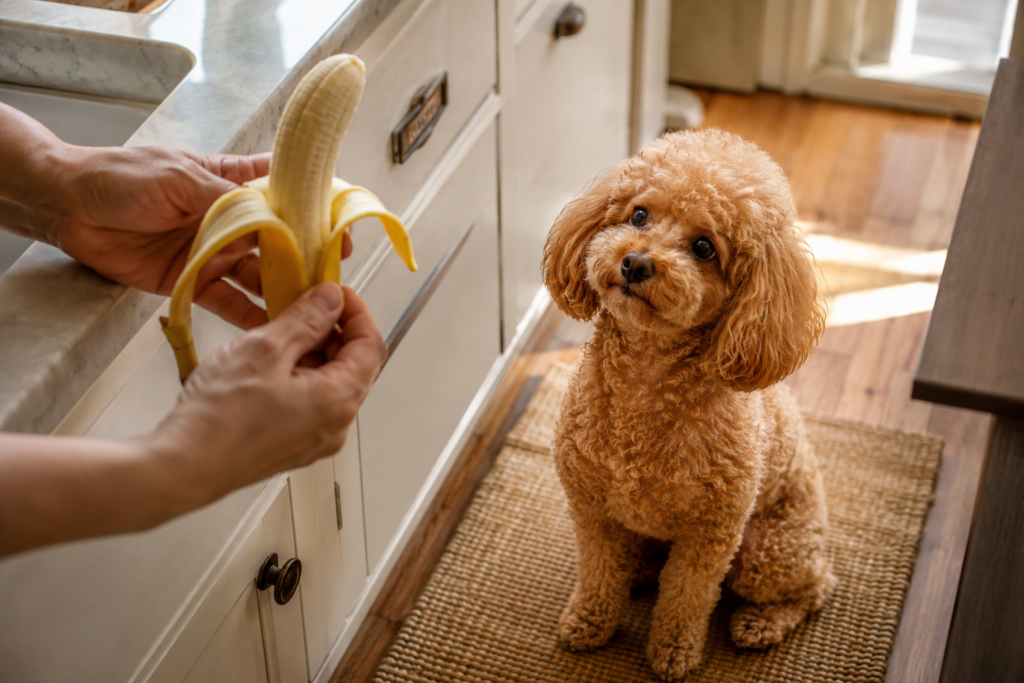
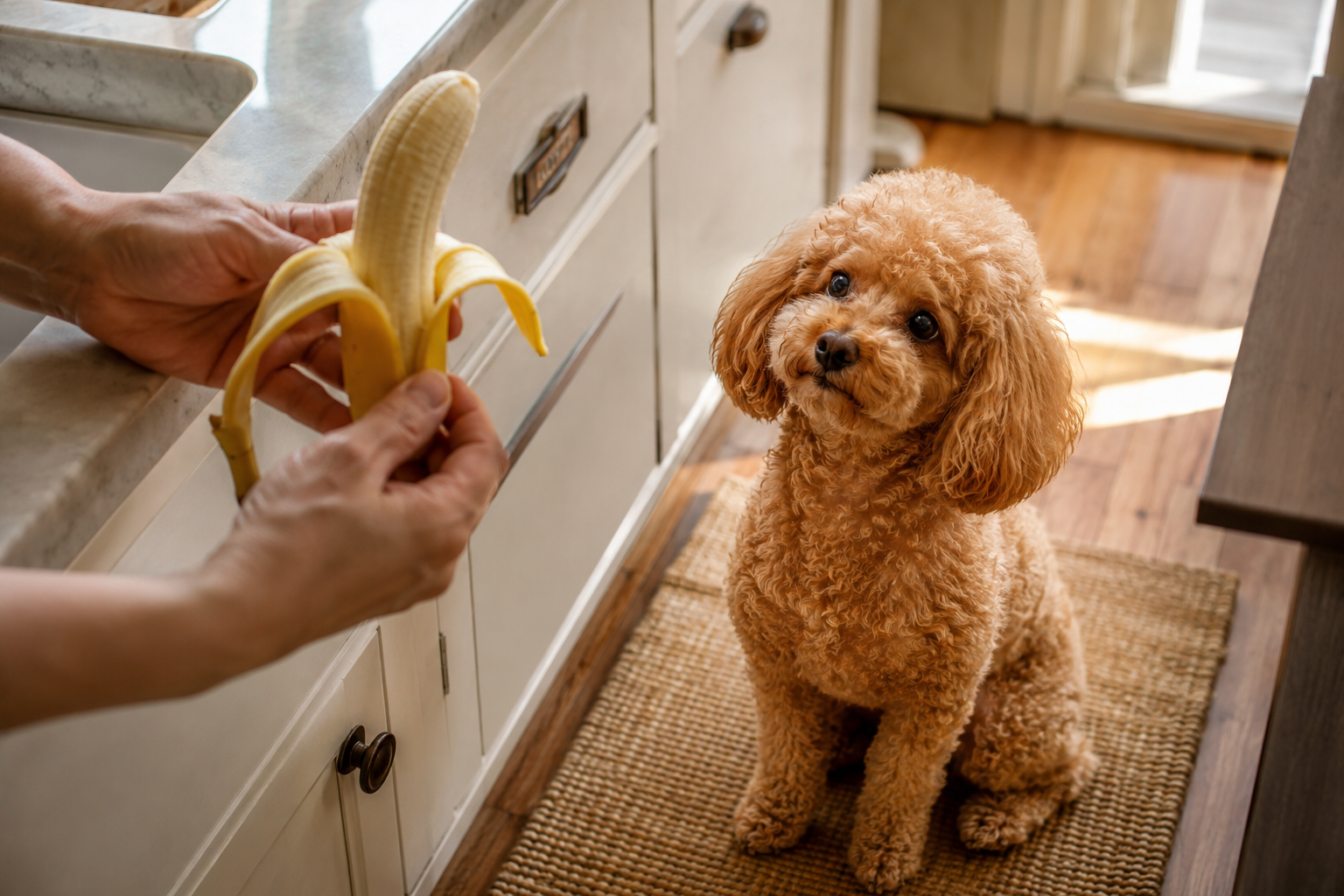
Hello fellow dog lovers! Every day with our furry best friends is a new, joyful adventure. I share my life with a highly food-motivated, 4-year-old Poodle named “Bori.” Whenever I peel a sweet banana for a quick breakfast, he magically appears at my feet, deploying his absolute best puppy-dog eyes. In those moments, we naturally wonder: can dogs eat bananas safely?
The short answer is yes—bananas are a perfectly safe and healthy treat for dogs. According to the ASPCA’s Toxic and Non-Toxic Plants database, bananas are explicitly classified as non-toxic to dogs. I, too, occasionally share tiny bites of banana with Bori as a high-value special reward.
However, bananas are relatively high in carbohydrates and natural sugars. They should only be used as an occasional treat, never as a meal replacement, and must strictly follow the “10% rule”—meaning treats should never exceed 10% of your dog’s daily caloric intake. Because every dog’s digestive tract is different, always introduce this sweet fruit in very tiny amounts to monitor for any gastrointestinal upset or dog banana allergy symptoms.
Part 1: Surprising Health Benefits of Bananas for Dogs
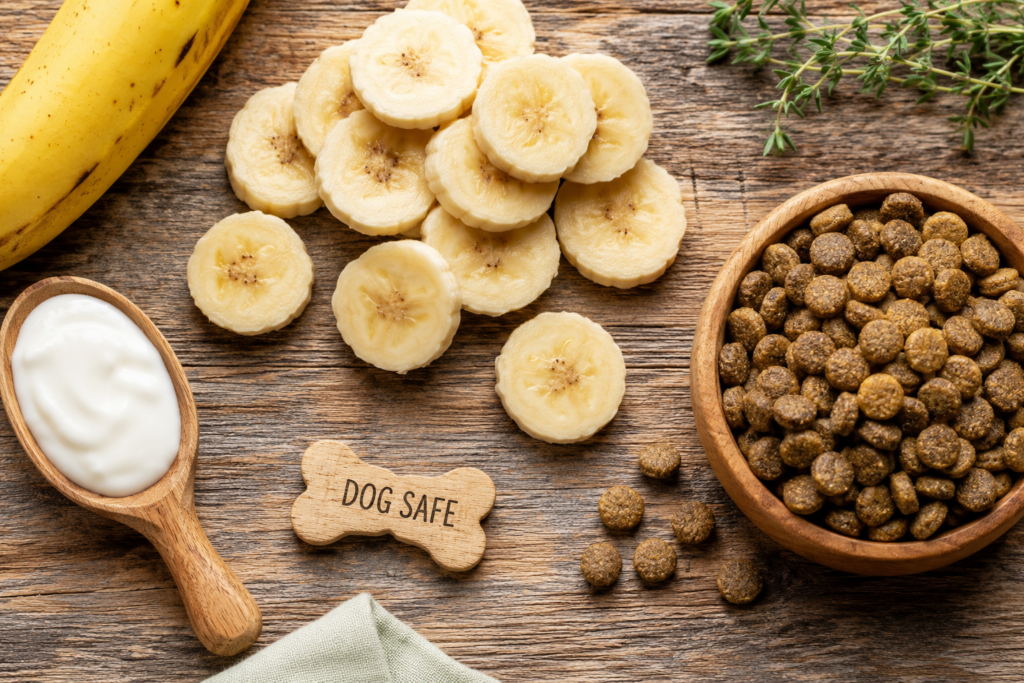
Bananas are naturally low in cholesterol and sodium, making them a fantastic, wholesome alternative to heavily processed, store-bought dog treats. As a trainer, I always feel more at ease giving my pups a single-ingredient snack straight from nature rather than treats packed with unpronounceable artificial additives.
However, these nutritional perks are only valid when you practice strict portion control. Overfeeding bananas can lead to nutritional imbalances and canine obesity.
Improved Gut Health and Constipation Relief via Rich Dietary Fiber
Bananas are packed with pectin, a soluble dietary fiber that aids your dog’s gastrointestinal motility. By drawing in water, pectin can help alleviate mild dog constipation. In fact, when Bori was struggling a bit during his potty breaks, I mashed a small amount of banana and used it as a kibble topper. By the next day, his bowel movements were noticeably smoother.
- Prebiotic Power: Bananas act as prebiotics, feeding the beneficial bacteria in the gut and promoting a healthy microbiome.
- Too Much of a Good Thing: Excessive fiber intake can backfire, causing gas, bloating, or loose stools. Moderation is non-negotiable.
Boosted Immunity and Energy Sourced from Potassium and Vitamin C
A standard 3.5 oz (100g) serving of banana contains about 358 mg of potassium. This vital mineral is crucial for maintaining your dog’s muscle function and nerve signal transmission. On days when Bori looks a little wiped out after an extra-long hike, a small slice of banana seems to give him that perfect, natural energy boost. Bananas also provide Vitamin C and Vitamin B6, which positively impact the immune system. Additionally, the magnesium content supports bone health and aids in vitamin absorption, making it an excellent recovery snack for highly active dogs.
Part 2: Portion Guide: How Much Banana Can Dogs Eat by Weight?
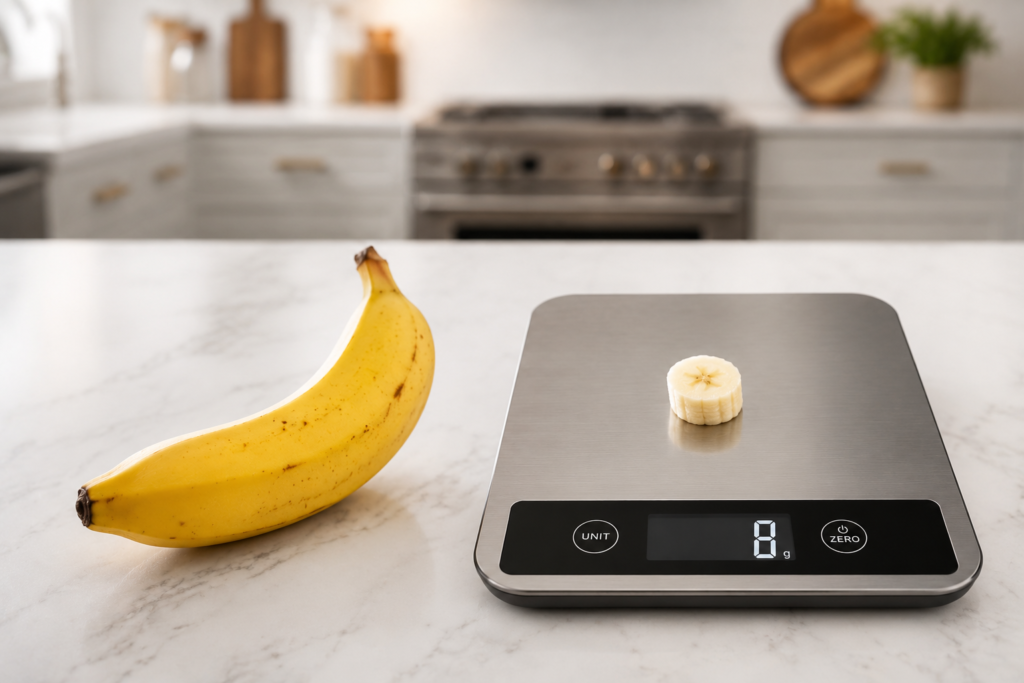
No matter how nutritious a banana is, strict portion control is essential. Following the American Kennel Club (AKC) nutrition guidelines, treats should strictly be limited to less than 10% of your dog’s total daily calorie requirement.
One average-sized banana packs around 90 to 100 calories. You must carefully calculate the serving size based on your dog’s specific body weight and daily activity level.
Safe Daily Serving for Small Dogs (Under 11 lbs)
For small breed dogs weighing under 11 lbs (like Bori, Maltese, Pomeranians, or Chihuahuas), the absolute maximum allowance is 1/8 of a banana per day. Visually, this is just one or two thin slices, about 0.2 to 0.4 inches thick. It’s a tiny amount!
- Feeding Tip: Small dogs have sensitive stomachs and narrow esophagus tracts. Never feed them large chunks. Mince the banana finely or mash it into a puree to use as a tasty kibble topper.
- Weight Management Warning: Indoor, low-activity small breeds are highly prone to weight gain from excess sugar. Keep serving frequencies and amounts to a bare minimum.
Proper Banana Portions for Medium and Large Breeds
Medium-sized dogs weighing between 22 and 44 lbs can generally safely enjoy 1/4 to 1/3 of a banana per day. For large breeds weighing over 55 lbs (such as Golden Retrievers or Labrador Retrievers), you can offer half a banana, or occasionally up to a whole banana spread throughout the day. Even for giant breeds, you must never toss them a whole, unpeeled, or uncut banana. Dogs are notorious for swallowing high-value treats whole, which poses a severe choking hazard. Always slice the fruit into bite-sized pieces for safe snacking.
Part 3: Precautions, Side Effects, and How to Feed Safely
While the soft, pale flesh of a banana makes for an excellent treat, there are critical risk factors depending on how it’s fed and your dog’s underlying health status. If you encounter any of the following situations, hit pause on the bananas and consult your veterinarian.
The Danger of Banana Peels for Dogs: A Digestion Nightmare
I once had a heart-stopping moment when Bori raided the trash can and bolted with a banana peel in his mouth. While banana peels are not inherently toxic, they are made of incredibly dense, tough fiber that a dog’s digestive system simply cannot break down. This can trigger severe indigestion and vomiting.
- The Serious Risk: If swallowed whole or in large pieces, the peel can cause a life-threatening gastrointestinal blockage, requiring emergency veterinary surgery.
- Prevention is Key: Always dispose of banana peels in a dog-proof, lidded trash can. Keep them completely out of your pup’s reach to prevent stealthy counter-surfing accidents.
Special Care for Senior Dogs with Underlying Health Conditions
Bananas contain a high concentration of natural sugars that can cause rapid blood sugar spikes. If you have an overweight dog on a strict weight-loss regimen or a diabetic dog requiring glucose management, it is best to avoid bananas entirely. Furthermore, bananas pose a risk to senior dogs with compromised kidney function. Failing kidneys struggle to filter and excrete high levels of potassium, which can lead to further health complications. Diet management for dogs with pre-existing conditions is critical—always defer to your DVM rather than making assumptions.
How to Spot Early Signs of a Dog Banana Allergy
Not every dog can tolerate bananas. To ensure safety, the golden rule of introducing any new food is to offer a microscopic piece and carefully monitor your dog for 12 to 24 hours.
- Skin Reactions: Watch for sudden redness, intense scratching, obsessive paw licking, or swelling around the eyes and muzzle within hours of ingestion.
- Gastrointestinal & Systemic Issues: If you notice vomiting, diarrhea, unusual hypersalivation (drooling), or labored breathing, do not wait. Head to your local veterinary clinic immediately.
Conclusion: Safe Feeding Summary and Overall Canine Wellness
To wrap things up and finally answer can dogs eat bananas: yes, but absolutely remove the peel slice or mash the fruit to prevent choking, and strictly enforce the 10% daily calorie rule.
No matter how much we love sharing our favorite snacks with our dogs, fruit is just that—a supplementary treat. Your dog’s true, foundational health comes from a complete and balanced, species-appropriate main diet.
If your primary goal is to boost your dog’s gut health or immune system, relying on high-sugar fruits isn’t the best strategy. Instead, consult your veterinarian about incorporating high-quality canine probiotics or targeted nutritional supplements. Feed treats smart, keep it safe, and enjoy many long, healthy years with your pups!
Q. Does your pup go bananas for bananas? If you have any funny stories about your dog trying fruit for the first time or your own special treat recipes, share them in the comments below! 👇