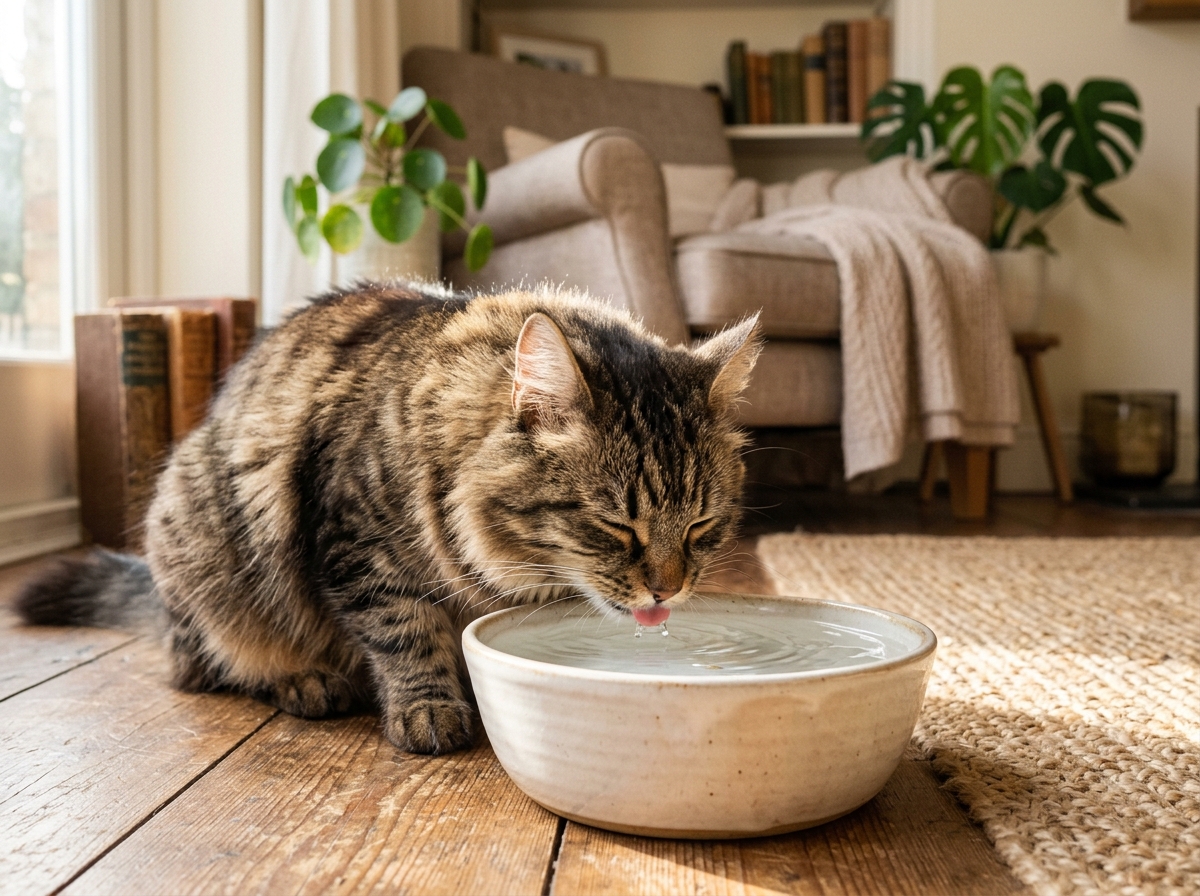
I recently experienced a scare with my beloved cat, Galchi. Like many feline companions, Galchi wasn’t the biggest fan of drinking water, and unfortunately, this led to him developing urinary stones. It was a stressful time, and it made me realize just how essential proper hydration is for our cats’ well-being. Preventing kidney disease and other urinary tract issues often starts with ensuring adequate water consumption. If you’re looking for effective strategies to increase cat water intake, you’ve come to the right place. I’ve explored several clever methods that can help keep your furball happily hydrated.
Table of Contents
Understanding Why Cats Need More Water
Cats are naturally designed to get much of their moisture from their prey. In a domestic setting, especially with a diet primarily of dry kibble, they may not feel the instinctive urge to drink enough water. This low water intake can contribute significantly to various health problems, including kidney disease and painful urinary crystal formation like Galchi experienced. Recognizing this biological predisposition is the first step towards helping your cat stay healthy.
5 Clever Ways to Increase Cat Water Intake
1. Embrace Wet Food
One of the most straightforward ways to boost your cat’s hydration is by incorporating more wet food into their diet. Canned wet food has a much higher moisture content compared to dry kibble, often providing up to 70-80% of their daily water needs. Even a partial switch can make a significant difference. Consult your vet to discuss the best dietary plan for your cat’s specific nutritional needs.
2. Multiple Water Stations and Fountains
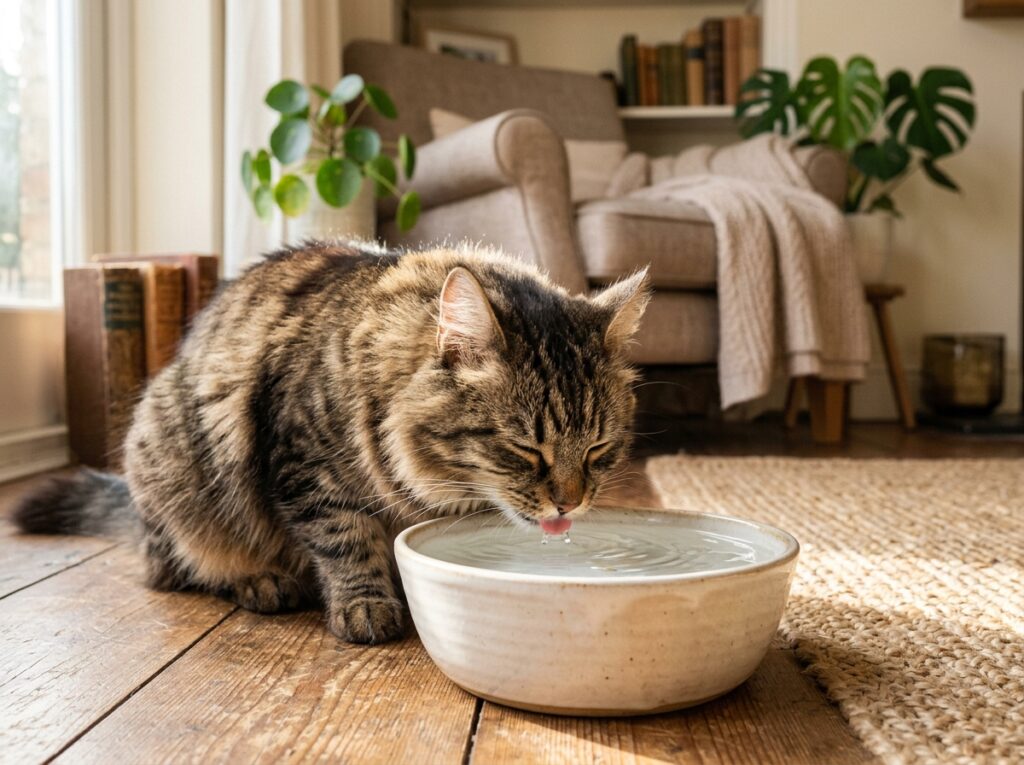
Cats can be particular about where they drink. Placing several water bowls in different locations around your home can encourage more frequent sips. Consider using different types of bowls—ceramic, glass, or stainless steel—to see what your cat prefers. Additionally, many cats are attracted to moving water. A cat water fountain can be a fantastic investment, as the running water often entices them to drink more than still water.
3. Add Flavor or Ice
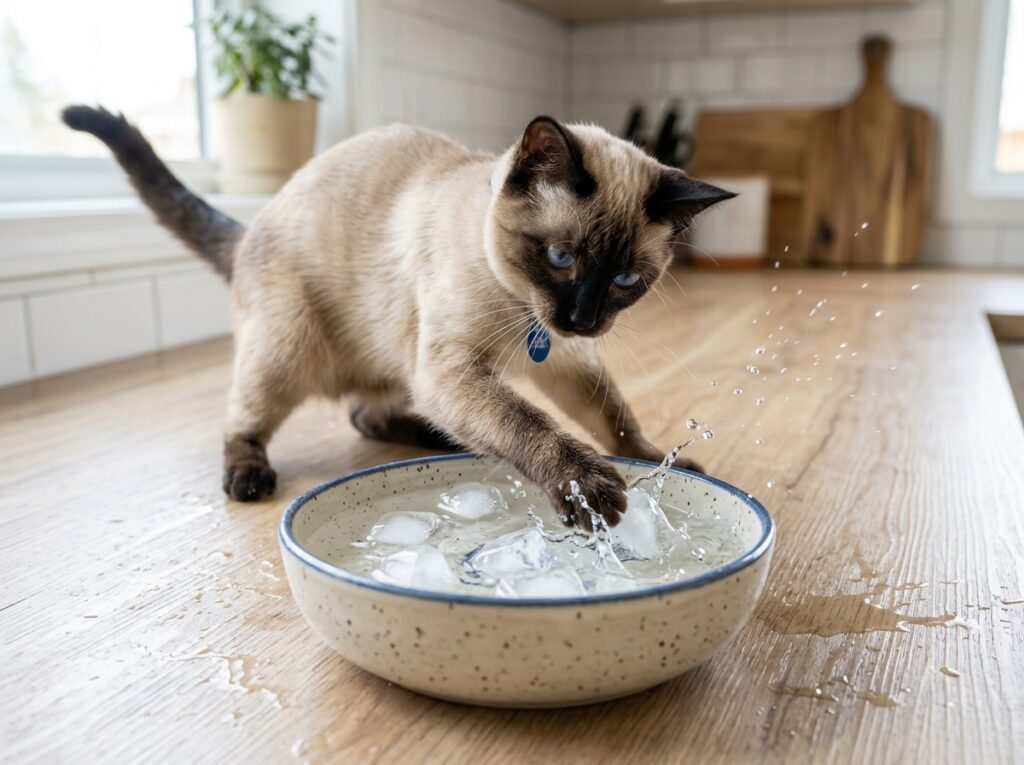
Sometimes, plain water isn’t exciting enough. You can make water more appealing by adding a tiny splash of tuna juice (unsalted and unseasoned), chicken broth (low sodium), or even a few ice cubes. Some cats enjoy playing with the ice cubes, which can lead to them drinking more as they bat at them. Make sure any additions are safe for cats and used sparingly to avoid upsetting their stomach or adding unnecessary calories.
4. Make Hydration a Game
Cats are playful creatures, and you can leverage this to encourage drinking. Try placing a few water-safe toys in a shallow water bowl, or even use a pet-safe laser pointer to direct light onto the water surface, creating moving reflections that might pique their interest. Interactive methods can turn a chore into a fun activity, indirectly leading to better hydration.
5. Strategic Bowl Placement and Cleanliness
Cats are predators, and they prefer to drink in a safe, undisturbed location. Avoid placing water bowls right next to their litter box or food bowl. A separate, quiet spot away from high-traffic areas is ideal. Furthermore, always ensure the water is fresh and the bowls are sparkling clean. Stale water or dirty bowls can deter even the thirstiest cat. Regular cleaning is important for promoting good hygiene and encouraging drinking.
Final Thoughts on Feline Hydration
Ensuring your cat drinks enough water is one of the simplest yet most effective ways to safeguard their long-term health, especially in preventing serious conditions like kidney disease and urinary stones. By implementing these clever strategies, you can significantly increase cat water intake and help your beloved companion lead a healthier, happier life. Always consult your veterinarian for personalized advice regarding your cat’s health and specific hydration needs. For more general pet care guidance, you can also explore resources from a trusted pet health organization.