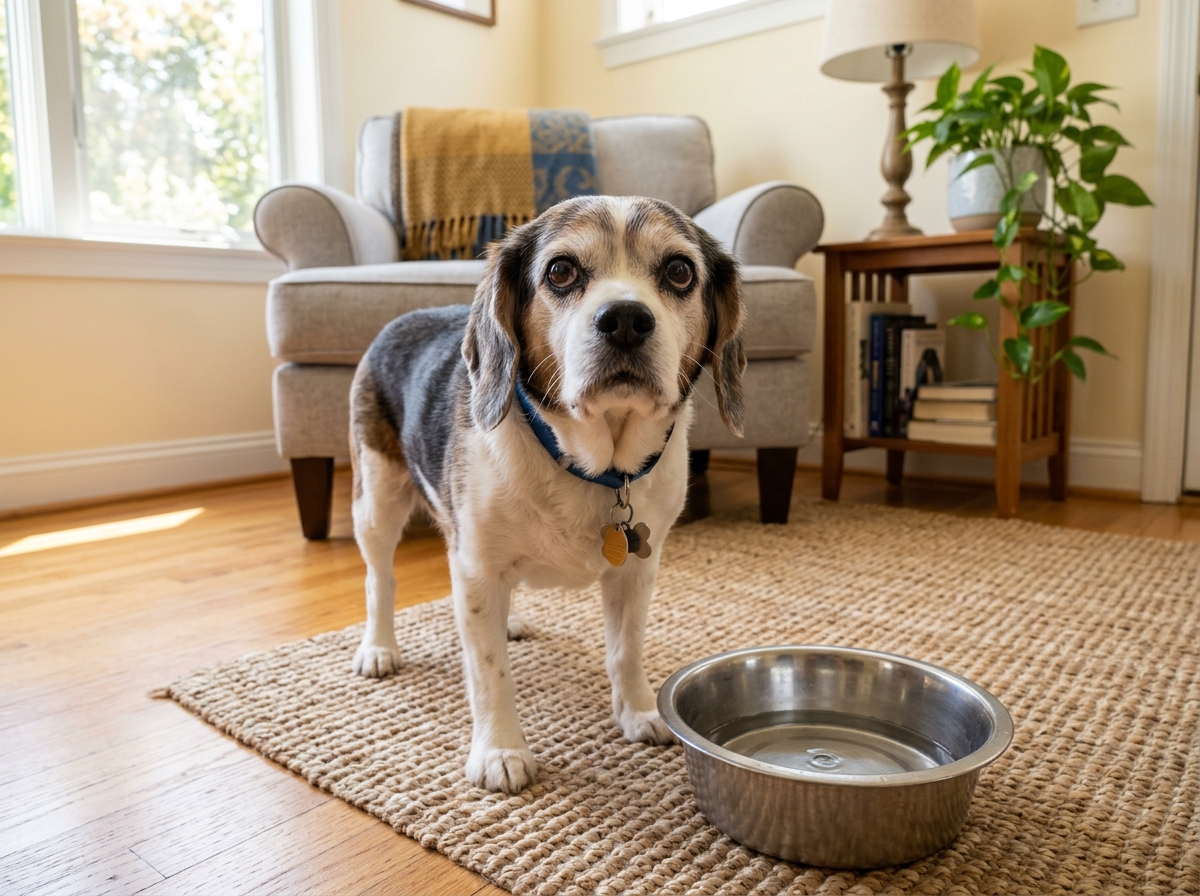
Recently, I noticed my senior dog, Bokdol, displaying the classic signs of a dog drinking a lot of water even though we hadn’t been out for a vigorous walk. Since I always prioritize my senior dog’s health and carefully prepare his meals, I had recently been feeding him the soft, nutritious treats from my newly developed Senior Line—specifically the Oven Baker Meat-tteng. At first, I didn’t think much of it and simply wondered, “Did today’s treats not quite suit his palate?”
However, when I saw his water bowl emptying incredibly fast the next day, and the day after that, my heart sank. I rushed him to the vet. The diagnosis revealed that the underlying cause wasn’t just simple thirst. A sudden increase in a pet’s water intake is rarely due to weather or activity levels; it is highly likely to be the first warning sign of hormonal imbalance or declining organ function.
Veterinarily speaking, an increase in water consumption (polydipsia) is closely linked to an increase in urine output (polyuria). Leaving this unchecked can lead to severe metabolic diseases, making early detection crucial. To spot these abnormal symptoms caused by illness, we first need to know the exact baseline for our dog’s hydration.
Table of Contents
1. How to Determine the Normal Water Intake for Your Dog
To truly confirm if you have a dog drinking a lot of water, you need to refer to accurate veterinary standards. The average daily water intake for a healthy dog is between 50ml and 60ml per 1kg of body weight.
- Example: If your dog weighs 5kg, drinking about 250~300ml a day is perfectly normal.
Even accounting for differences in water intake based on food type, if your pet consumes more than 100ml per 1kg of body weight in a single day, it can be medically suspected as “Polydipsia.”
Important Note: If your dog usually eats a diet consisting of 70~80% moisture, like fresh meals or soft wet treats, it is natural for their pure water intake to decrease. Conversely, if they primarily eat dry kibble and their water consumption suddenly spikes, you must check for health anomalies immediately.
How to Check for ‘Polydipsia and Polyuria’
When the amount of water consumed increases, the volume of urine excreted naturally rises as well. Polyuria means the daily urine output exceeds 50ml per 1kg of body weight, characterized by an increase in both frequency and volume. Please observe your dog at home using the following indicators:
- The pee pad gets thoroughly soaked much faster and wider than usual.
- The urine color is transparent like water, and the smell is faint.
- A dog that was perfectly potty trained suddenly makes unexpected urinary mistakes.
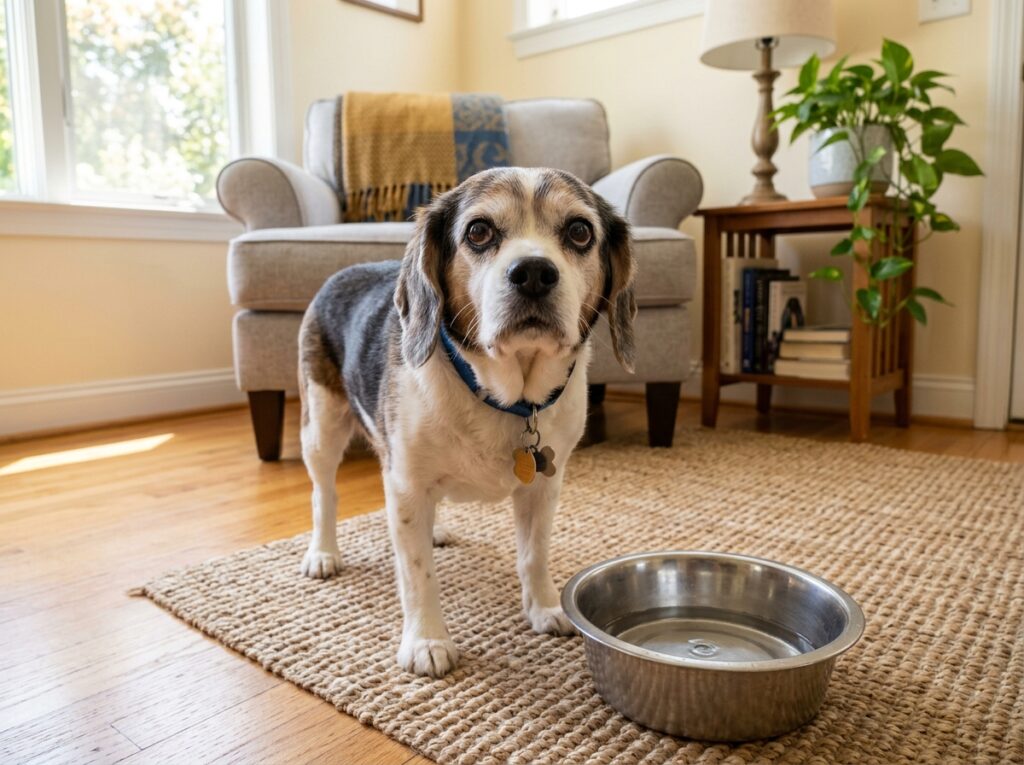
However, it is difficult to determine from appearances alone whether the increased urination is simply due to drinking more water or if a disease is causing excessive fluid loss through urine, making the dog thirsty. A veterinarian can accurately distinguish this through blood and urine tests.
2. 3 Major Diseases You Might Face If You Ignore a Dog Drinking a Lot of Water
Dismissing a dog drinking a lot of water as a simple habit can put a severe strain on your furry friend’s health. Here are three representative diseases you need to be aware of.
① Cushing’s Syndrome: A Common Hormonal Disease in Senior Dogs
Hyperadrenocorticism (Cushing’s Syndrome) is a condition where the cortisol hormone is excessively secreted. This hormone interferes with the action of the antidiuretic hormone, causing severe polydipsia and polyuria. It is frequently observed in senior dogs over 7 years old. When Cushing’s syndrome develops, it is often accompanied by distinct physical changes.
- Core Symptoms: A potbelly appearance due to muscle atrophy.
- Thinning skin causing veins to show, or noticeable hair loss.
- Excessive panting even when resting.
If left untreated, it can lead to various complications like high blood pressure or thrombosis, so if you suspect symptoms, you must get a hormone level test.
② Canine Diabetes: The Culprit Behind Rapid Weight Loss
Canine diabetes occurs when the pancreas does not secrete insulin smoothly or fails to function properly. The blood glucose concentration becomes abnormally high, and as this glucose is excreted in the urine, it drags water out of the body, causing the dog to feel extreme thirst. The most crucial feature to watch out for is the “paradoxical symptom of losing weight despite eating a lot.”
- Core Symptoms: Appetite greatly increases because the energy source is not smoothly absorbed into the cells.
- Despite eating much larger meals than usual, body weight drops rapidly.
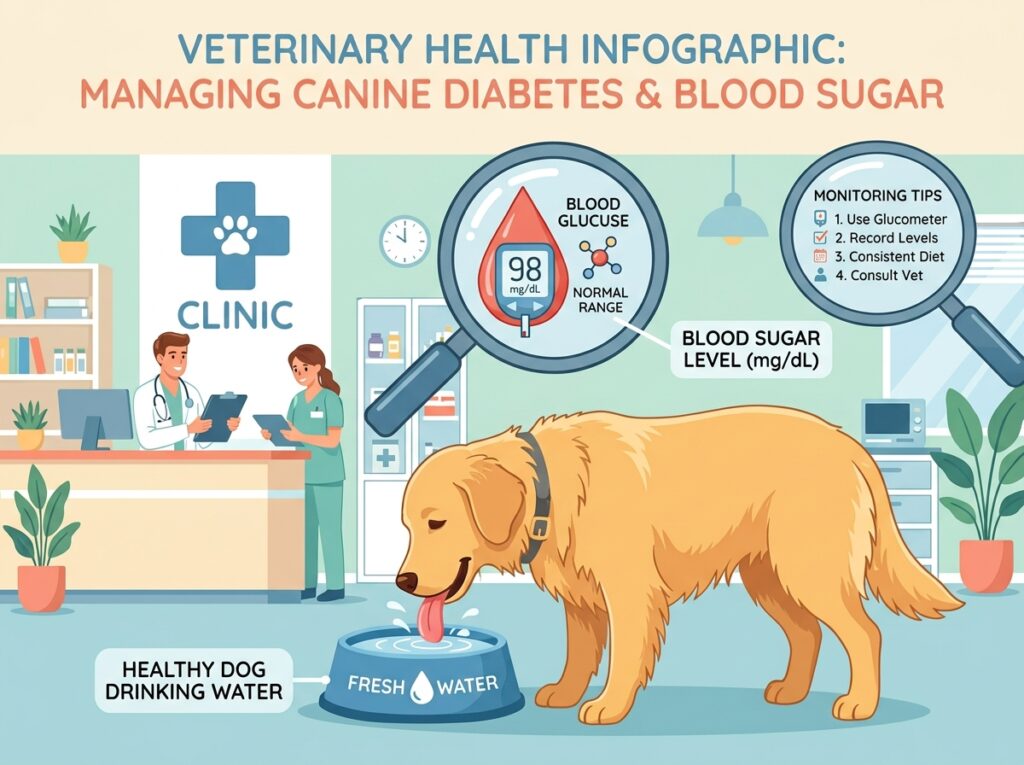
If early management of diabetes is delayed, it can progress to Diabetic Ketoacidosis (DKA), where the body’s acid-base balance completely collapses. This is a highly fatal condition, making prompt veterinary intervention and insulin management essential.
③ Pyometra: A Critical Risk for Female Dogs
If you are raising an unspayed female dog, this is a disease you must watch out for carefully. It is an inflammation caused by bacterial multiplication in the endometrium. The bacterial endotoxins degrade the kidneys’ ability to reabsorb water, causing acute polydipsia. Pyometra is divided into “open,” where discharge is expelled, and “closed,” where it is not.
- Open Pyometra Symptoms: Thick discharge with an unusual odor is observed from the vulva.
- Closed Pyometra Symptoms: No visible discharge, but the abdomen swells, accompanied by high fever, vomiting, and a rapid decline in stamina.
The closed type is incredibly dangerous as the condition can deteriorate rapidly. If your female dog shows signs of a dog drinking a lot of water and significant lethargy 1-2 months after her heat cycle, you must visit the clinic without delay.
3. Essential Checklist for Pet Parents Before Visiting the Vet
Before heading to the clinic for a dog drinking a lot of water, here are some tips you can prepare at home to help your vet make an accurate diagnosis.
- Record 24-hour intake with a measuring cup: Fill the water dispenser to the brim (e.g., 500ml) early in the morning. After exactly 24 hours, calculate the remaining amount to record the actual volume your dog drank in ml. In a multi-pet household, it’s best to separate their spaces for a day to measure individual intake.
- Record urine condition and abnormal behavior: Check if the urine is clear and how many times they go to the bathroom a day. If they have urinary accidents while sleeping or whine as if uncomfortable, capturing this on video is highly beneficial for the consultation.
- Never restrict water intentionally: Before an accurate diagnosis is made by an
American Veterinary Medical Association (AVMA)certified professional or your local vet, you should never remove the water bowl just because they urinate frequently. The body’s fluid balance can rapidly collapse, worsening their health due to dehydration. Always provide easy access to clean water until the consultation.
Conclusion: Early Detection is Key for Kidney and Hormonal Diseases
A dog drinking a lot of water is by no means a light complaint or simply due to seasonal changes. It can be an urgent signal indicating severe anomalies in the kidneys and endocrine system, such as Cushing’s syndrome, diabetes, or pyometra, which can severely strain your dog’s health.
If you see a dog drinking a lot of water exceeding the normal limits (50~60ml per 1kg of body weight) and consistently consuming over 100ml, it is difficult to fully resolve the issue relying solely on internet information or home observation. This is because the prognosis for these diseases can worsen rapidly if the initial response window is missed.
Just as my minor misconception about Bokdol’s diet almost delayed his veterinary diagnosis, a pet parent’s careful observation and quick action are what protect their dog’s health. If you notice distinct changes in water consumption and urination habits, I strongly recommend visiting a veterinary clinic immediately for accurate blood, urine, and ultrasound tests.
How much water does your dog drink a day? If you’ve noticed any recent changes in your pet’s hydration or potty habits, please share your experiences in the comments below!