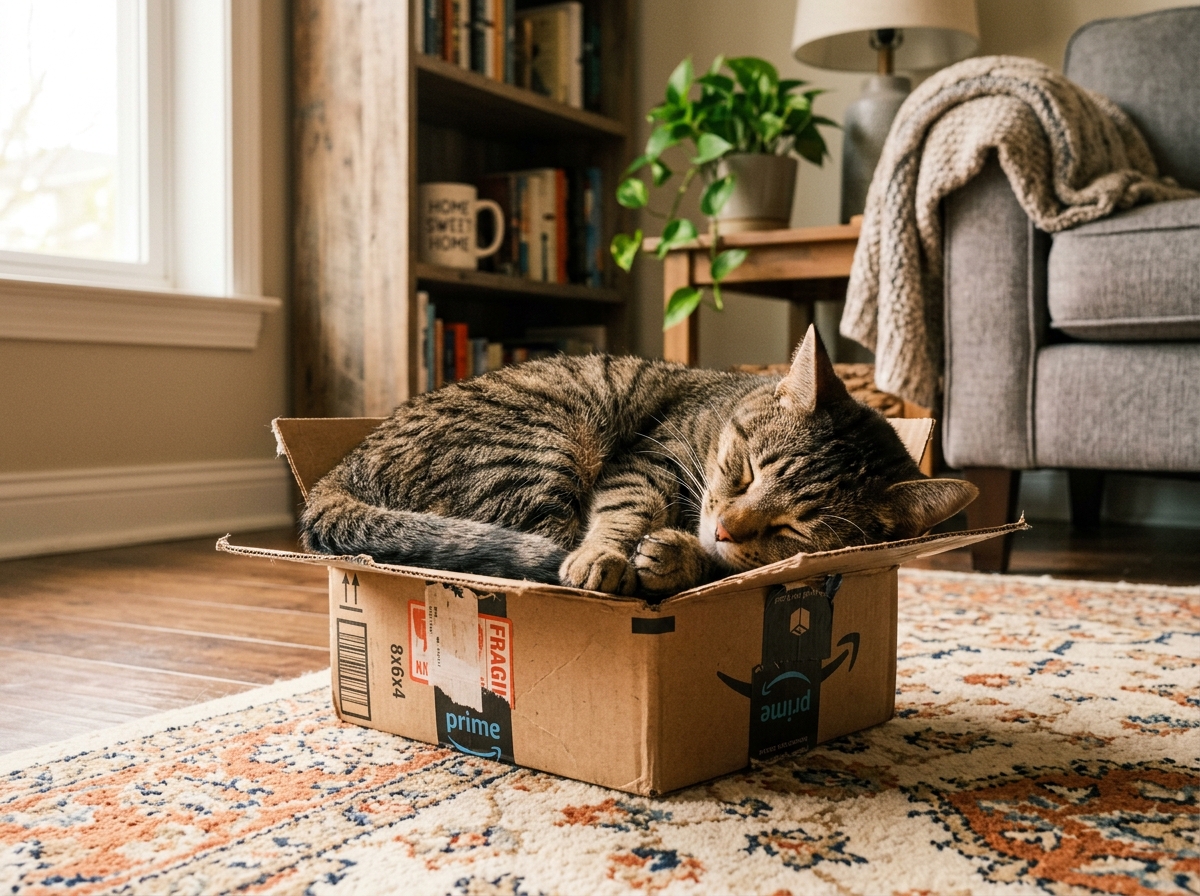
When I came home from work last Tuesday, my heart instantly dropped. Usually, my furry companion greets me at the door with a soft meow, but this time, the house was dead silent. I shook the bag of his favorite treats, called his name repeatedly, and flipped every couch cushion, but there was no sign of him. Panic started to set in as I imagined the worst. After thirty minutes of frantic searching, I noticed a tiny, unbelievable gap between the refrigerator and the kitchen wall. I looked down, and there he was—perfectly curled into a fluffy loaf, staring back at me with absolute tranquility. “How did you even fit in there?” I whispered, feeling a massive wave of relief.
This viral phenomenon often makes owners wonder: why do cats like tight spaces? While it looks like a funny, liquid-like stunt to us, this behavior is deeply rooted in feline biology and survival mechanisms. However, as much as we find it adorable, unsupervised squeezing into hazardous domestic gaps can lead to dangerous accidents. Understanding the psychological and environmental triggers behind this habit is essential for every responsible cat owner.
Table of Contents
1. The Evolutionary Instincts of Feline Predators
To fully understand why do cats like tight spaces, we must look back at their wild ancestors. In the wild, smaller felines were both efficient hunters and potential prey for larger carnivores. This unique position in the food chain shaped their modern nesting preferences.
- Protection from Predators: A narrow nook or a deep crevice ensures that nothing can ambush them from behind. It limits their vulnerability to a single, manageable direction.
- The Comfort of Deep Pressure: Squeezing into a tight spot applies gentle pressure to a cat’s body. This physical sensation lowers their sympathetic nervous system activity, effectively reducing anxiety and creating a soothing sense of security.
2. Psychological Comfort and Stress Reduction
Our domestic environments can sometimes overwhelm our pets with loud noises, sudden movements, or unfamiliar guests. When looking for an escape, the answer to why do cats like tight spaces often boils down to emotional self-regulation.
According to a famous behavioral study conducted by researchers at Utrecht University, shelter cats provided with hiding boxes showed significantly lower stress levels and adapted to their new surroundings much faster than those without them. When a cat is enclosed within a small perimeter, their brain releases endorphins, helping them process stress and regain their emotional balance. A tight box or a small gap functions as a feline “do not disturb” sign.
3. Thermal Regulation and Energy Conservation
Another crucial factor explaining why do cats like tight spaces is their unique metabolism. A cat’s normal body temperature ranges between 38.0°C and 39.2°C, which is notably higher than ours.
What is a Cat’s Thermoneutral Zone? Cats prefer an ambient environmental temperature of 30°C to 38°C to maintain their core body heat without burning extra calories.
Since standard human households are usually kept much cooler than this range, cats actively seek out small, insulated areas. Snuggling into narrow drawers, closet corners, or the gaps behind warm home appliances helps trap their body heat efficiently, allowing them to rest comfortably without expending unnecessary metabolic energy.
4. When Hiding Signals a Medical Emergency
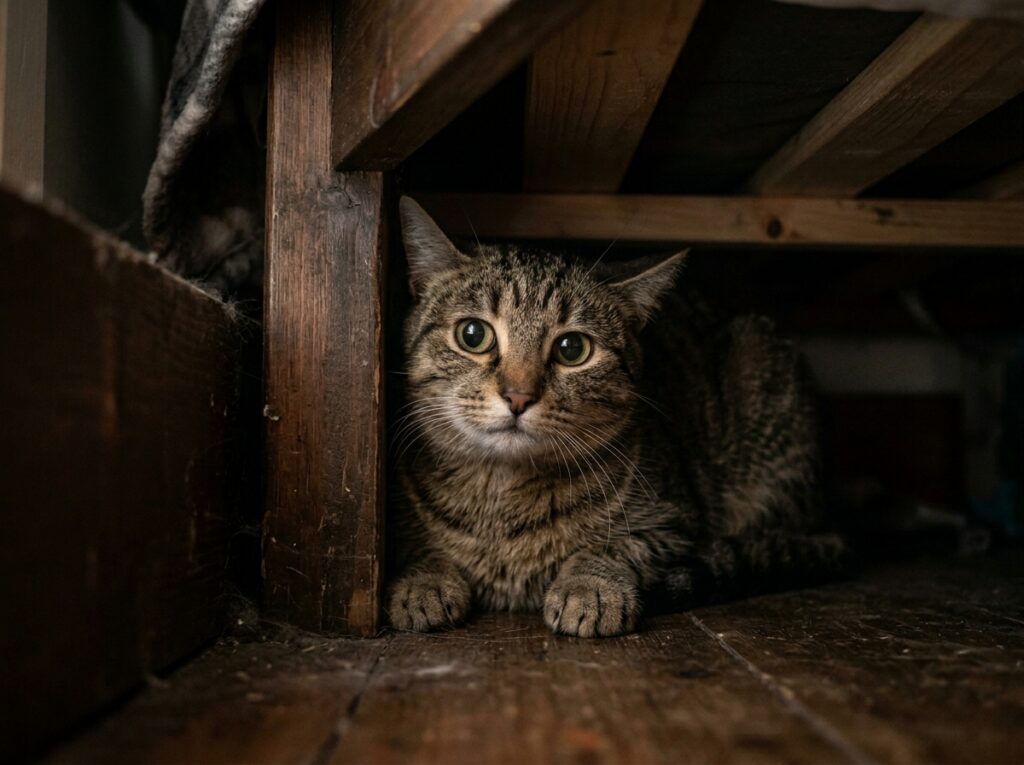
While exploring small nooks is usually harmless, a sudden change in this behavior can be a major red flag. If your typically social pet suddenly isolates themselves in a dark, cramped corner and refuses to come out, it might not just be about why do cats like tight spaces.
Felines possess a strong evolutionary drive to hide pain. In the wild, showing weakness makes them a target. Therefore, if your cat exhibits the following warning signs alongside reclusive behavior, you should seek professional help:
- Complete loss of appetite or refusal to drink water.
- Hissing, growling, or showing uncharacteristic aggression when approached.
- Excessive, low-pitched purring while hunched over (cats often purr to self-soothe severe physical discomfort).
If you notice these alarming shifts, do not wait. It is highly recommended to visit a local clinic and consult a verified veterinarian immediately.
5. How to Create a Safe Feline Sanctuary
As loving owners, our goal should be to respect their natural instincts while eliminating potential household hazards. You can optimize your living space by following these simple adjustments:
- Block Hazardous Gaps: Secure the dangerous voids behind washing machines, heavy refrigerators, and unstable furniture using wire mesh, foam blocks, or specialized gap cushions.
- Provide Safe Alternatives: Replace risky hideouts with designated cat caves, enclosed beds, or clean cardboard boxes placed in quiet, elevated areas of your home.
- Inspect DIY Toys: Before letting your cat play inside a delivery box, ensure you thoroughly remove all staples, plastic packing tape, and loose strings to prevent accidental ingestion or choking hazards.
Conclusion: Embracing and Securing Their Natural Boundaries
Ultimately, uncovering why do cats like tight spaces reveals a beautiful mix of survival instinct, thermal necessity, and emotional coping mechanisms. By proactively eliminating dangerous structural gaps and replacing them with cozy, safe sanctuaries, you can protect your feline friend from unexpected accidents. Keep a close eye on their hiding routines to ensure they stay happy, healthy, and securely nestled in their favorite safe zones.