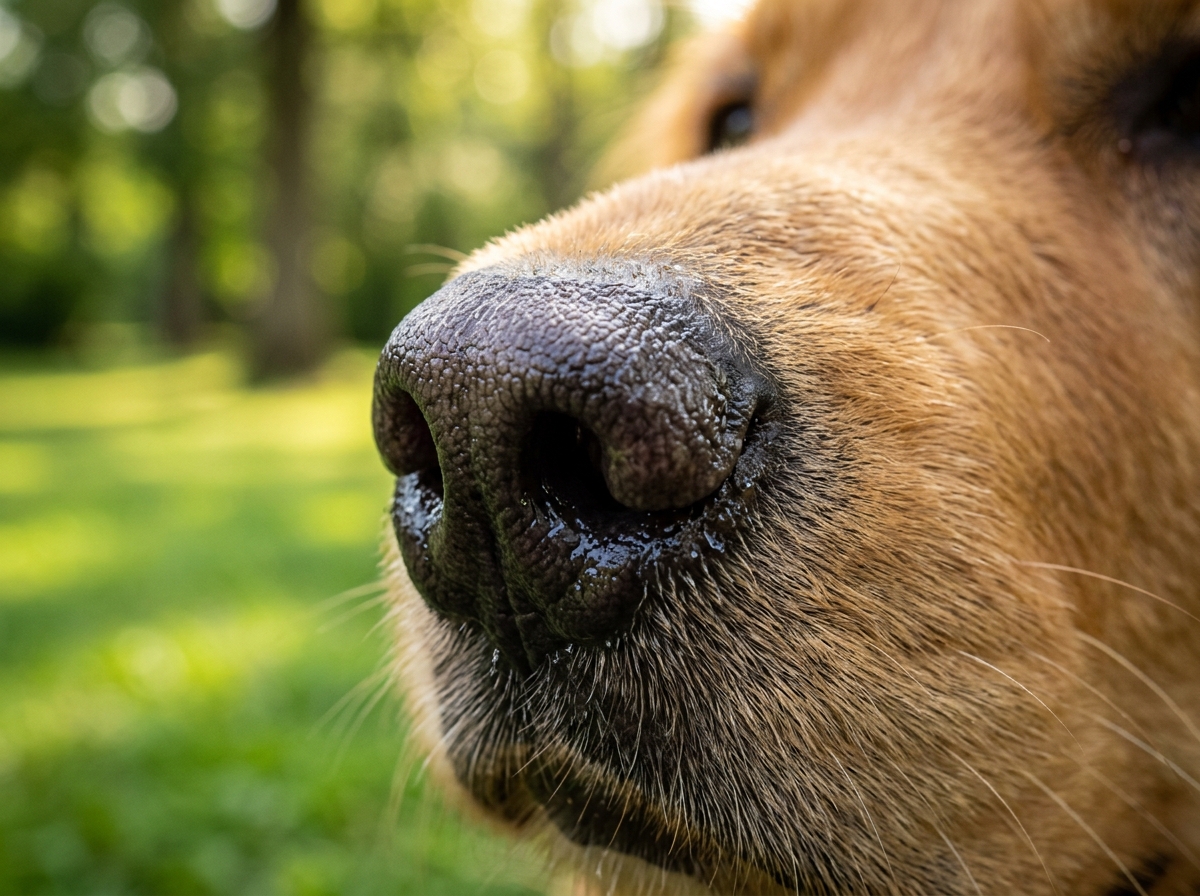
There is a persistent, nearly universal myth among pet owners that a warm, dry snout is an immediate red flag for severe canine illness. For generations, we’ve been told that a healthy pup must always have a cold, damp nose. However, modern veterinary science tells a surprisingly different story. A dog’s physical state fluctuates constantly throughout the day, and a temporary dry spell is rarely a cause for outright panic. To truly understand your companion’s health, we need to dispel this outdated misconception and uncover exactly why dogs have wet noses in the first place, and what those changing moisture levels actually signify.
Table of Contents
The Biological Science Behind a Dog’s Wet Nose
That wonderfully cold and damp sensation you feel when your companion gently nudges your hand is often considered a hallmark of vitality. But where does this continuous moisture originate?
The Mechanism of Lateral Nasal Glands
Deep within the nasal cavity, canines possess specialized exocrine glands known as lateral nasal glands. These glands act as miniature hydration stations, continuously producing a watery mucous secretion that keeps the outer surface, or the rhinarium, perfectly moist.
Interestingly, as this fluid evaporates, it creates a highly effective cooling effect. Because the evaporating moisture draws heat away from the surface, the snout remains noticeably cooler than the surrounding environment.
Crucial Note: While temporary dryness is normal, if a snout becomes excessively hot, severely cracked, or is accompanied by discolored discharge, it requires attention. These can be symptoms of severe dehydration or immune-related issues, making a consultation with a
veterinary professionalessential.
The Hidden Purpose Behind Constant Licking
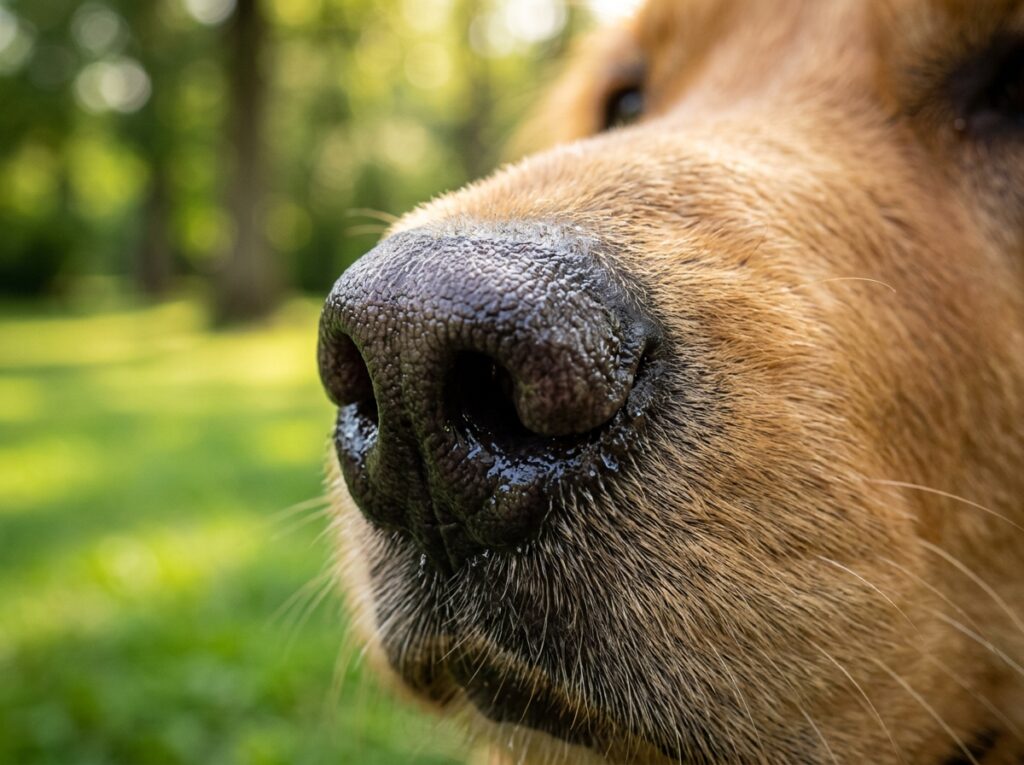
If you observe closely, you will notice that canines frequently dart their tongues out to lick their snouts. This is not just a quirky habit; it serves several profound physiological purposes.
- Moisture Redistribution: Frequent licking helps spread the secretions from the lateral nasal glands evenly, maintaining a consistent layer of hydration across the entire surface.
- Debris Removal: It acts as a natural cleaning mechanism, wiping away dust and pollen gathered during walks so olfactory receptors remain in peak condition.
- Scent Transportation: By sweeping over the snout, the tongue captures trapped chemical particles and carries them directly into the mouth for deeper sensory analysis.
What Moisture Levels Tell Us About Canine Behavior
Understanding why a dog has a wet nose goes far beyond basic temperature checks. This moisture is an advanced, multifaceted tool for interacting with the world.
Maximizing Scent Detection in the Air
Scent molecules floating in the air adhere much more effectively to damp surfaces than dry ones. The fluid layer on the snout acts essentially as a biological magnet, trapping microscopic chemical compounds.
Given that a canine’s sense of smell is roughly 10,000 to 100,000 times more sensitive than ours, this thin film of moisture is an absolute physical necessity for their superpower. Furthermore, a cool, damp surface helps them detect the subtle direction of the wind, allowing them to pinpoint exactly where a fascinating aroma is originating.
Chemical Communication and the Jacobson’s Organ
Hidden just behind the front teeth on the roof of the mouth lies the vomeronasal organ, widely known as the Jacobson's organ. This specialized structure detects odorless chemical signals, primarily pheromones.
When a dog licks their damp snout, trapped pheromones are delivered straight to this organ. This allows them to analyze incredibly detailed information about other animals, including their gender, emotional state, and even immune system status.
The Flehmen-like Response: Have you ever seen your companion sniff something intensely and then slightly open their mouth or smack their lips? This is a perfectly natural biological reflex designed to push chemicals closer to the Jacobson’s organ!
A Vital Cooling System Without Sweat Glands
Unlike humans who sweat across their entire bodies to cool down, canines lack widespread sweat glands. They must rely heavily on their paw pads and their snouts to regulate body heat.
As temperatures rise, the lateral nasal glands increase their output. The rapid evaporation of this extra moisture cools the blood circulating near the nasal passages before it reaches the brain. Because this evaporative cooling (alongside panting) is their primary defense against heat, exposing them to high temperatures without adequate dog hydration can quickly lead to dangerous heatstroke.
Practical Solutions for Snout Health and Hydration
I actually experienced the sheer panic of a “dry nose scare” firsthand. One weekend morning, I gently touched my sleeping dog’s nose and was completely startled to find it bone dry and unusually warm. My mind instantly raced, wondering if I needed to rush to the emergency clinic. However, within moments, my dog stretched, took a long drink from the water bowl, and excitedly trotted over looking for their morning turkey tendon treat. Just like that, the familiar, healthy moisture returned.
This taught me the most vital lesson: distinguishing between natural fluctuations and real problems. Waking up from a deep sleep or finishing a vigorous play session temporarily reduces gland secretions.
To proactively support their health, follow these environmental guidelines:
- Maintain a comfortable indoor humidity level between 40% and 60%.
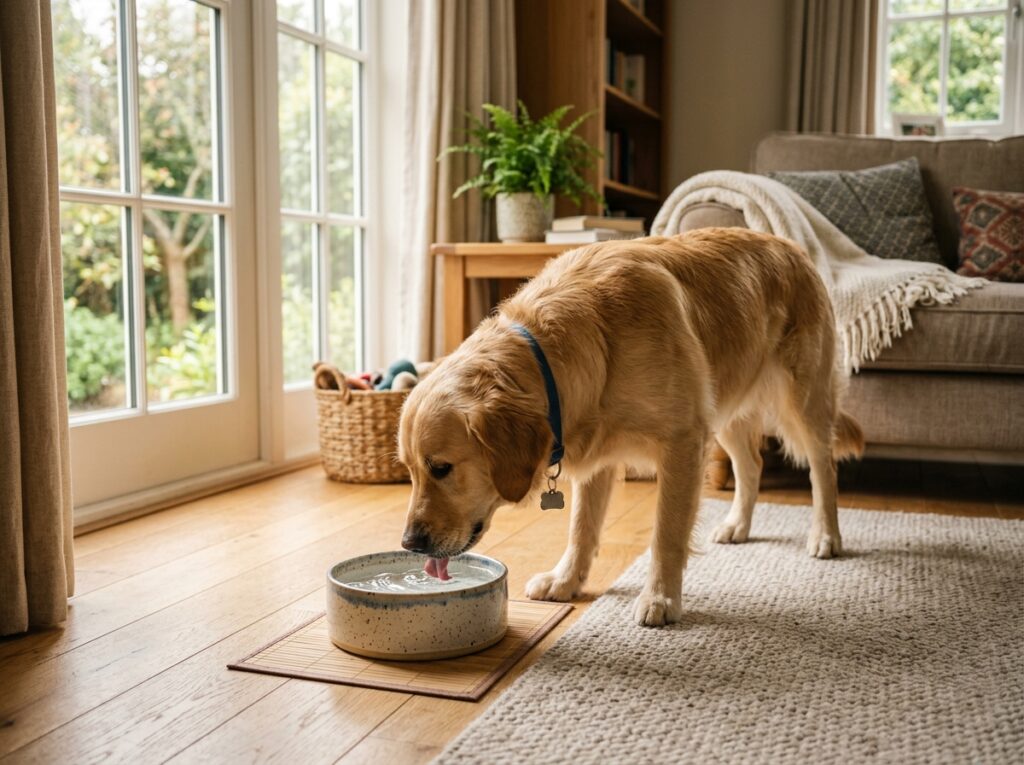
- Place multiple fresh water bowls around the house to encourage frequent drinking.
- Strictly avoid using human lip balms or petroleum jelly, as these can cause severe stomach upset if ingested. Always opt for pet-safe, specially formulated soothing balms.
When a Dry Snout Warrants a Vet Visit
While occasional dryness is perfectly normal, you should schedule a comprehensive veterinary exam if you notice the following sustained warning signs:
- Severe cracking, flaking, or bleeding on the surface.
- Thick, colored, or sticky nasal discharge rather than clear fluid.
- Sudden lethargy, loss of appetite, or behavioral changes.
Monitoring these subtle daily changes is one of the most powerful ways to protect your beloved companion’s well-being. What specific scents make your dog lick their snout the most? Share your fun and surprising stories in the comments below!