A small Maltese trembles by a glass door, tail tucked tightly between its legs as a boisterous Golden Retriever bounds over with a playful bark. In another room across town, a completely different dog is blissfully asleep on a sunlit living room rug, completely at peace. These two contrasting scenes perfectly capture a dilemma faced by many modern pet owners.
Over the past 10 years of manufacturing pet treats and talking with countless dog owners, I’ve learned that every dog responds differently to its surroundings. My own dog, Bokdol, often accompanied me to the factory office. He loved the gentle aroma of freshly baked meat drifting through the building, yet the sudden clang of a stainless-steel tray hitting the floor would send him quietly beneath my desk. Experiences like these reminded me that dogs process the world with extraordinary sensitivity. Choosing between daycare and staying home isn’t simply about a family’s schedule—it’s about understanding where an individual dog feels safest and most comfortable.
Working at the Greenbone factory, I spend my days sorting raw materials, operating low-temperature drying rooms, and managing the delicate oven-baking processes. Over the past 10 years, I’ve watched countless dogs—including my own dog, Bokdol—react to different environments. Bokdol used to visit the factory office with me. He loved the savory aroma of the ‘Oven Baker Meat Ddaeng’ drifting from the ovens, but the sudden clatter of a stainless steel sorting tray hitting the floor would send him hiding under my desk for hours. Dogs process their surroundings with intense sensitivity. The choice between a bustling daycare and a quiet home isn’t just about your daily schedule; it’s about understanding their deep psychological comfort.
Table of Contents
The Perks for Extroverted Pups at Daycare
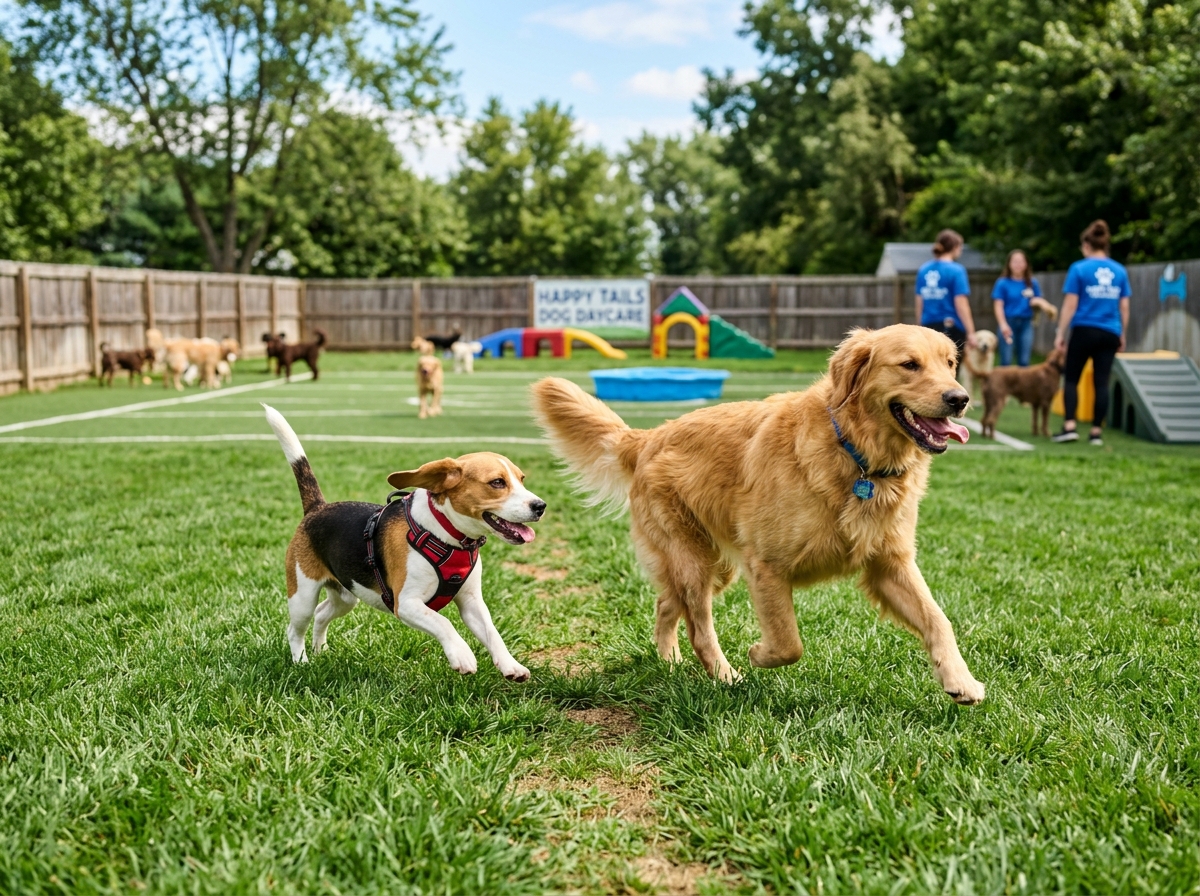
Some dogs thrive on chaos and connection. If a dog has successfully navigated early socialization and possesses a naturally bold temperament, a structured daycare might offer a fantastic playground.
During my years of customer consultations, I’ve spoken with pet parents who assumed their high-energy dogs needed constant, exhausting group play. Interestingly, some dogs just need focused, individual tasks. Still, for genuinely extroverted dogs, supervised play with other pets can help release pent-up stamina. This structured physical activity may reduce stress-induced behaviors like destructive chewing or pacing. A well-run facility provides a predictable routine of play, rest, and basic training, which can be highly comforting for a dog that loves constant engagement.
The Hidden Burdens for Introverted and Shy Dogs
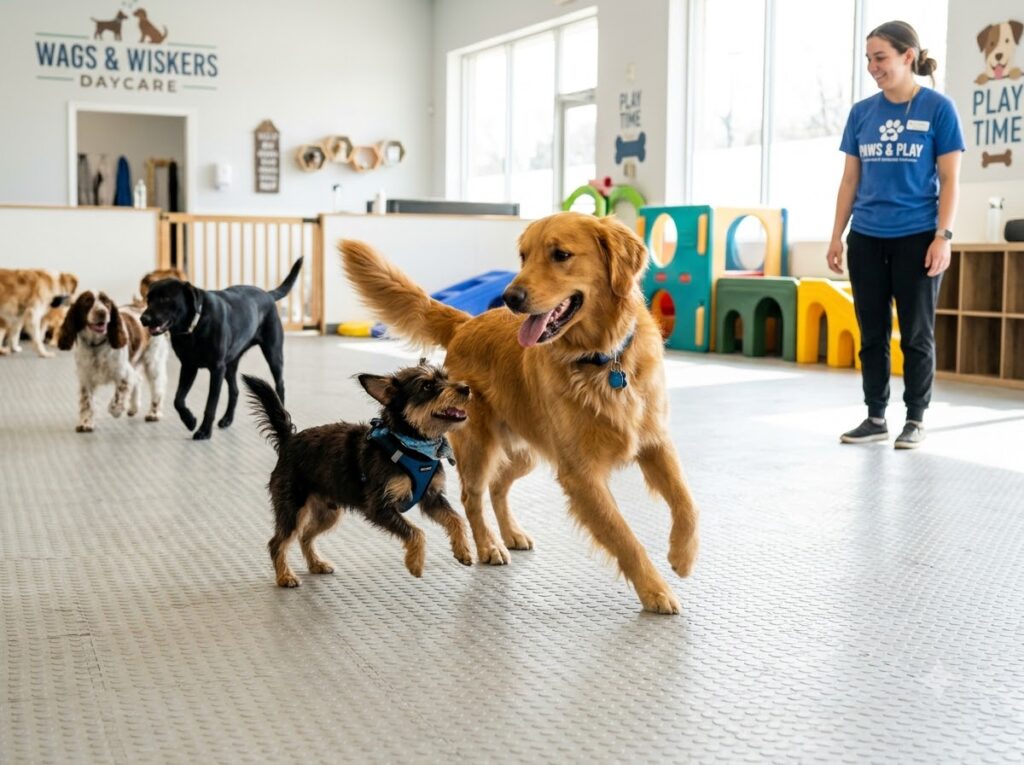
For timid dogs, a crowded facility can feel like an inescapable nightmare.
I once experienced a significant manufacturing failure when testing a new low-temperature drying method for beef liver. The humidity controls were slightly off, resulting in a batch that retained a much sharper, concentrated raw smell. I noticed Bokdol became visibly agitated just by being in the same room with that intense scent. Sensory overload in dogs is very real. In a daycare, the constant echoing barks and the overwhelming, mixed body odors of dozens of dogs in a confined space can trigger severe emotional fatigue.
A long-time customer once shared an experience that has stayed with me. Her rescue dog refused to eat the same treat while attending daycare because the unfamiliar environment left him too anxious to relax. As soon as they returned home, however, he eagerly finished it. That experience reinforced something I’ve seen many times over the years: forcing a naturally timid dog into an overwhelming environment rarely builds confidence. Most behavior specialists recommend introducing social experiences gradually in places where the dog already feels safe.
Daycare Costs and Essential Checklists
If a facility seems like the right fit for your outgoing companion, evaluating the practical environment is critical. Depending on your local area and the dog’s size, monthly fees can range widely, and adding pick-up services will push costs higher.
When touring a facility, keep a close eye on these factors:
- Teacher-to-Dog Ratio: Ensure the facility isn’t overcrowded so staff can intervene before play becomes too rough.
- Space Separation: Do they separate by temperament, not just size? A calm Great Dane shouldn’t be forced to endure a hyperactive Jack Russell.
- Quiet Time: Just as our oven-baked treats require a strict resting period to perfectly settle their moisture content before packaging, dogs need independent quiet time. Continuous stimulation without a designated nap area can lead to extreme exhaustion.
The Deep Emotional Security of Staying Home
Leaving a dog at home often comes with a sense of guilt, especially for people who work long hours. Many owners tell me they spend part of the afternoon wondering what their dogs are doing while they’re away.
Remaining at home, however, isn’t automatically a negative experience. Many dogs—particularly senior dogs Peak order times for our treats are almost always mid-afternoon—right when working professionals start missing their pets and purchase something special to make up for their absence.
But staying home isn’t necessarily a bad thing. Older dogs, in particular, crave stability. While developing our recent senior dog food line, I spent months researching how their sensory preferences and physical tolerances shift. Senior dogs often prefer softer textures, like freeze-dried morsels, and familiar, quiet corners away from unpredictable movements.
You can elevate a home date by using high-value rewards. Taking a piece of manually fat-trimmed duck neck or some dried beef lung and hiding it around the living room for a nose-work game provides immense brain stimulation. This quiet, focused activity could be far more fulfilling for an introverted or aging dog than a full day of forced socialization.
Making the Right Call for Your Dog’s Unique Personality
Understanding what your dog truly needs requires careful, quiet observation.
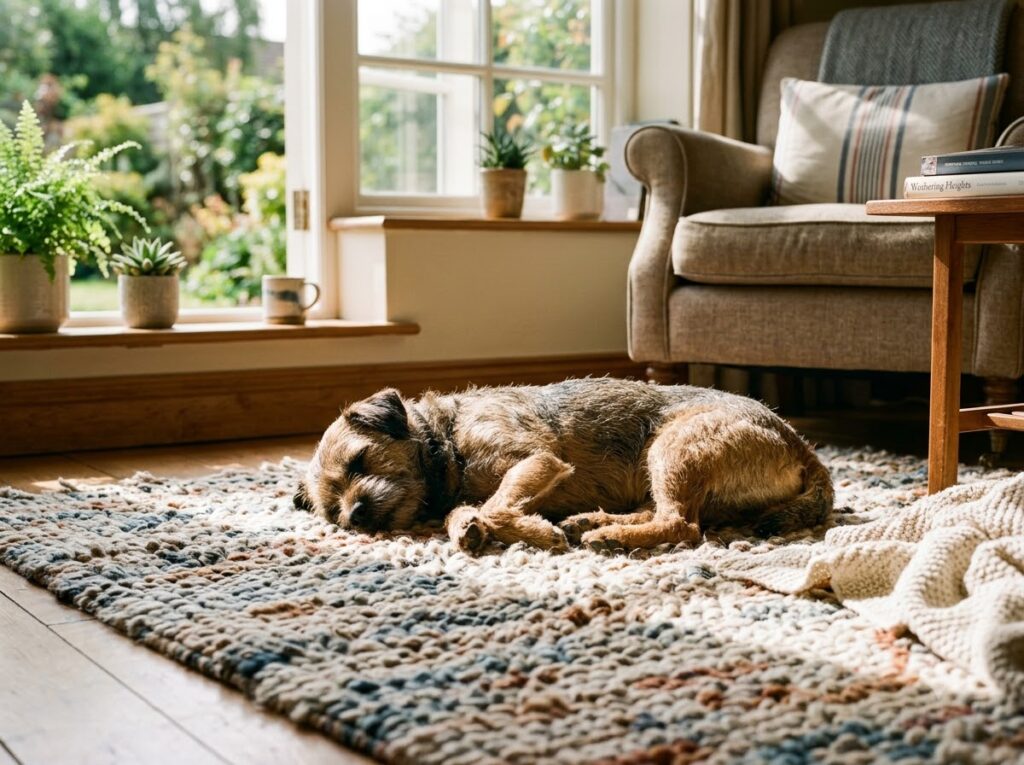
Extroverted dogs who approach strangers with relaxed, wiggly body language might find their second home in a well-managed facility. Conversely, dogs that flinch at loud noises or retreat behind your legs when encountering unfamiliar animals will likely find their greatest peace curled up on their favorite rug at home. If you notice extreme reactivity or signs of severe separation anxiety, consulting a professional in positive behavior modification might be a wise step to help them feel secure in any environment.
FAQ
Can staying home every day cause my dog to lose their social skills? Not necessarily. Quality socialization is about positive, controlled exposures. A calm walk in your neighborhood where they can sniff at their own pace is often more beneficial than chaotic group play.
How can I tell if my dog is actually stressed at daycare? Watch their body language when you pick them up. If they seem frantically exhausted, excessively panting, or withdrawn rather than displaying a relaxed, happy fatigue, it could indicate the environment is too overwhelming for them.
What environment does your dog prefer? Do they love the energy of a pack, or are they a dedicated homebody? Share your own experiences with your dog’s unique personality in the comments below!