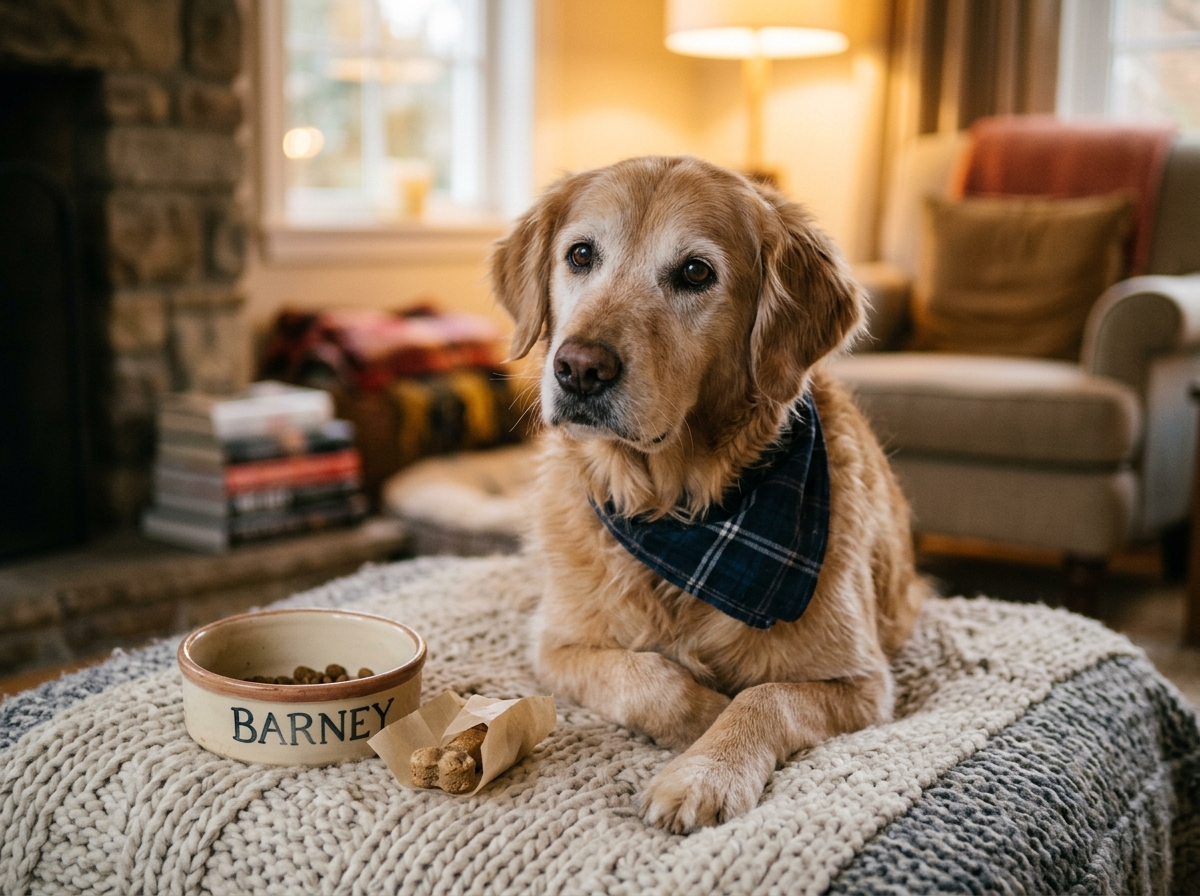
I was perplexed. My cherished dog, Bokdol, began experiencing dental issues after he turned 10, so I carefully switched him to senior dog soft treats. However, despite this change, he occasionally vomited. This experience left me questioning: what could be causing this reaction, and what is the single most important rule for selecting treats for our aging canine companions?
Table of Contents
Understanding Why Your Senior Dog Might Vomit After Eating Senior Dog Soft Treats
It’s natural to worry when your older dog vomits, especially after you’ve made an effort to provide them with gentle senior dog soft treats. While soft treats are kinder to sensitive teeth, they can still cause digestive upset for several reasons:
Overfeeding or Richness of Treats
Even soft treats can be rich or given in excessive quantities. An older dog’s digestive system slows down, making it harder to process large amounts or fatty ingredients. Overloading their stomach can easily lead to vomiting.
Sudden Dietary Changes
Even a switch from hard to soft treats is a change. Introducing new foods or treats too quickly can disrupt a dog’s gastrointestinal system, leading to nausea and vomiting. Their bodies need time to adjust.
Underlying Health Issues
Vomiting in senior dogs can also be a symptom of various health problems, such as kidney disease, liver issues, pancreatitis, or even certain cancers. Sometimes, a treat simply exacerbates an existing, undiagnosed condition.
Eating Too Quickly
Some dogs, regardless of age, eat their food or treats too fast, swallowing air in the process. This can lead to regurgitation or vomiting shortly after eating. Soft treats, being easy to consume, might encourage faster eating.
Allergies or Sensitivities
Just like humans, dogs can develop allergies or sensitivities to certain ingredients over time. A particular protein, grain, or additive in the soft treats could be triggering an adverse reaction in your senior dog.
The Essential Principle for Choosing Senior Dog Soft Treats: Prioritizing Digestibility and Quality
The single most important principle when selecting treats for an older dog, even soft ones, is to prioritize digestibility and ingredient quality. Their aging bodies require food that is easy on their stomach and provides beneficial nutrients without unnecessary strain.
Read Labels Carefully
Look for treats with a short list of high-quality, recognizable ingredients. Avoid artificial colors, flavors, and preservatives. Opt for single-protein sources if your dog has sensitivities, and choose treats designed specifically for senior dogs, which often have reduced fat and simpler formulas.
Introduce New Treats Gradually
Whenever you introduce a new treat, offer only a tiny piece at first. Monitor your dog for any adverse reactions over a few days before increasing the amount. This slow introduction helps their digestive system adapt.
Consult Your veterinarian
If vomiting persists, or if you observe other concerning symptoms, an appointment with your veterinarian is always the best course of action. They can help diagnose any underlying health issues and provide tailored dietary recommendations for your dog’s specific needs.
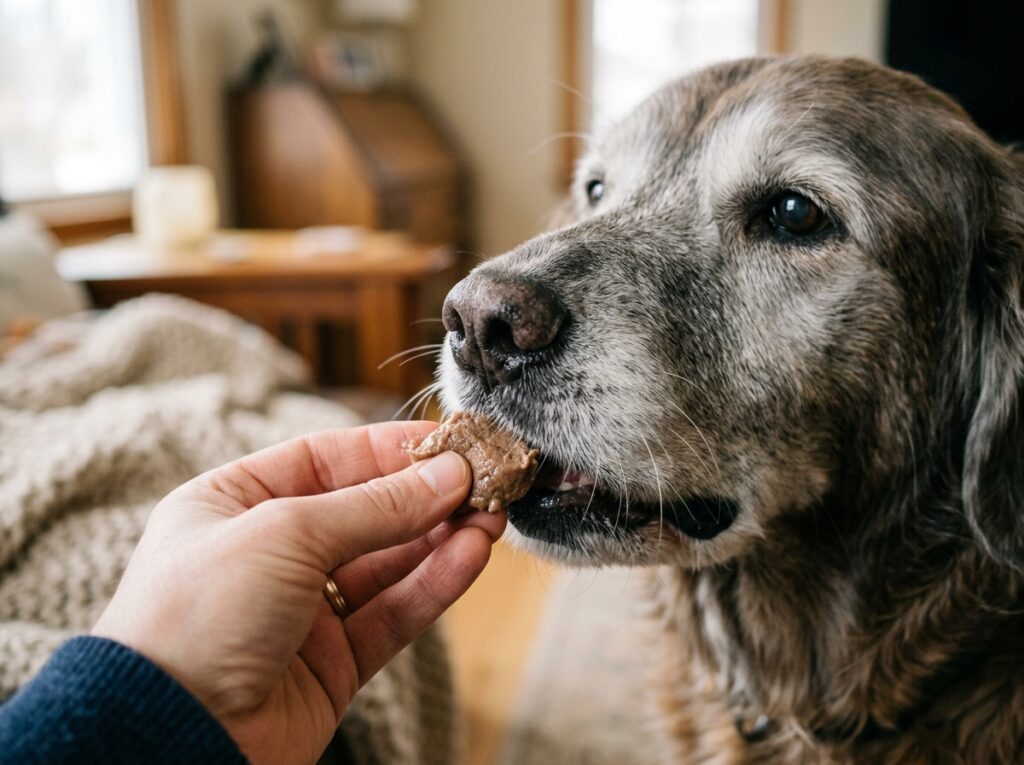
Additional Tips for Selecting the Right Senior Dog Soft Treats
Consider Hydration and Fiber
Some senior dog soft treats can also offer an extra boost of hydration or beneficial fiber, which is important for digestive health. Look for options with ingredients like pumpkin or sweet potato, which are known to aid digestion.
Portion Control is Important
Always remember that treats should only make up a small portion of your dog’s daily caloric intake. Reduce the size of treats or the frequency to avoid overfeeding, especially for less active senior dogs.
Final Thoughts on Senior Dog Snacking
Choosing the right senior dog soft treats requires careful consideration, even more so than for younger dogs. By understanding potential causes for stomach upset and prioritizing digestibility and quality, you can help ensure your beloved companion enjoys their snacks without discomfort. Always observe your dog closely and work with your veterinarian to keep them happy and healthy in their golden years.