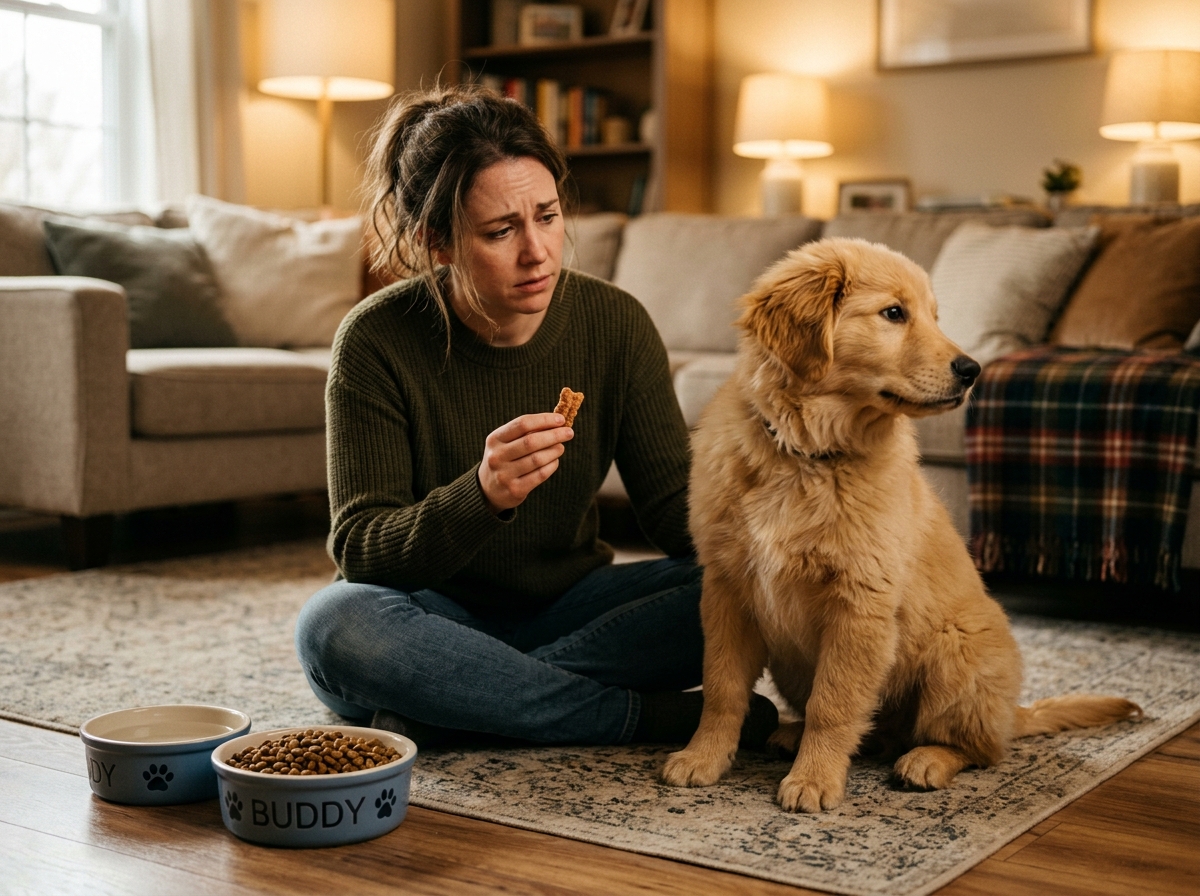
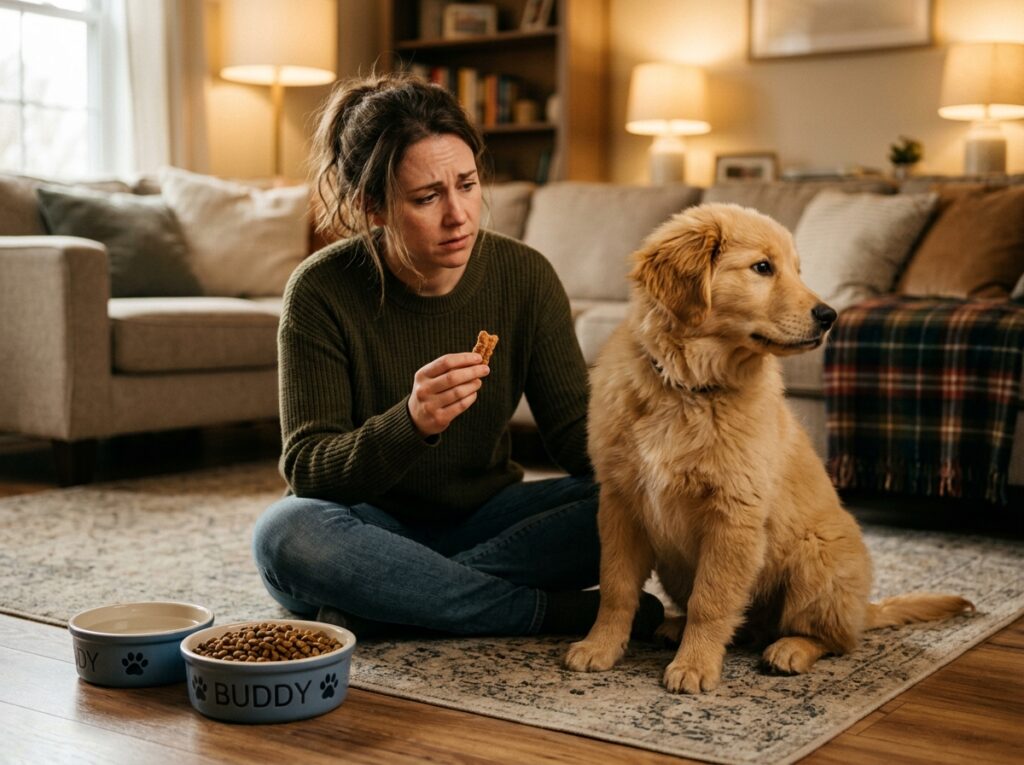
I remember the days when my own dog, Dagom, caused me endless worry because he absolutely refused to eat his kibble. I would sit by his bowl, breaking up his favorite snacks and mixing treats with dog food just to get him to take a single bite. Seeing him finally bury his nose in the bowl was a huge relief at the time. Having worked in the pet food industry for over 10 years and manufacturing healthy snacks at Greenbone, you’d think I’d know better. But as a pet parent, when you see your baby starving, logic often flies out the window.
However, this is one of the most dangerous mistakes you can make. While it might seem like a quick fix to prevent them from going hungry, mixing treats with dog food actually sets up a vicious cycle. It solidifies a reward psychology in your dog’s mind: “If I refuse kibble, I get something better.” This not only ruins their eating habits but can lead to severe nutritional imbalances and internal diseases.
Table of Contents
Why Dogs Refuse Kibble and How Habits Collapse
Nutritional Imbalance from Treat Toppers
Kibble is formulated as a complete, balanced diet tailored to a dog’s life stage. According to guidelines from the World Small Animal Veterinary Association (WSAVA), treats should make up no more than 10% of a dog’s daily energy requirement (DER).
If you start mixing treats with dog food frequently, this golden ratio breaks instantly. The nutritional imbalance from mixing treats with dog food can lead to the following issues:
- Puppies: Increased risk of skeletal growth disorders due to a deficiency in essential minerals like calcium and phosphorus.
- Adult and Senior Dogs: Reduced immunity and metabolic issues caused by vitamin deficiencies and an excess of specific nutrients.
The Reward Psychology Controlling the Owner
From a behavioral perspective, our dogs are incredibly smart and have excellent associative learning skills. When you start mixing treats with dog food, they learn a precise behavioral chain: “I refuse my food → My human gets anxious → I get better food.” Ultimately, the dog will intentionally hold out even when hungry, successfully manipulating your behavior into a continuous reinforcement loop.
Health Problems and Yellow Bile Vomit
The Risk of Obesity and Digestive Diseases
Most commercial treats have significantly higher fat and carbohydrate contents than regular dog food to increase palatability. Continuous exposure to such a high-fat diet doesn’t just lead to obesity. It causes the pancreas to overwork by secreting excess digestive enzymes, potentially leading to pancreatitis. Pancreatitis is accompanied by severe abdominal pain and vomiting. If missed, it can seriously threaten your dog’s life. Maintaining canine digestive health is crucial, and it starts with a proper diet.
Excess Stomach Acid and Fasting Vomit (Yellow Bile)
When dogs hold out for delicious snacks and refuse their kibble, their meal gaps become dangerously long. Leaving the stomach empty for extended periods causes excess acid and bile to be secreted, which irritates the fragile stomach lining.
This results in vomiting yellow, foamy bile—a symptom that makes every pet parent’s heart drop. If this fasting vomit repeats, it can develop into gastritis or acid reflux. To protect their stomach, you must stop mixing treats with dog food and establish a strict feeding routine.
Behavioral Corrections for Healthy Eating Habits
Switching to Restricted Feeding
To fix Dagom’s stubborn picky eating, the first thing I implemented was restricted feeding. You must stop free-feeding where the bowl is always full, and establish a rule of offering meals only 2 to 3 times a day at set times.
If your dog doesn’t touch the food 15-20 minutes after you put the bowl down, take it away firmly. Do not give any treats until the next scheduled meal. A healthy adult dog won’t suffer major health issues from skipping a meal or two as long as they drink enough water. The owner’s consistency is the core of this correction.
Note: Puppies under 4 months old risk hypoglycemic shock if fasted for too long, so consult a veterinarian before trying this.
Building Positive Associations with Kibble
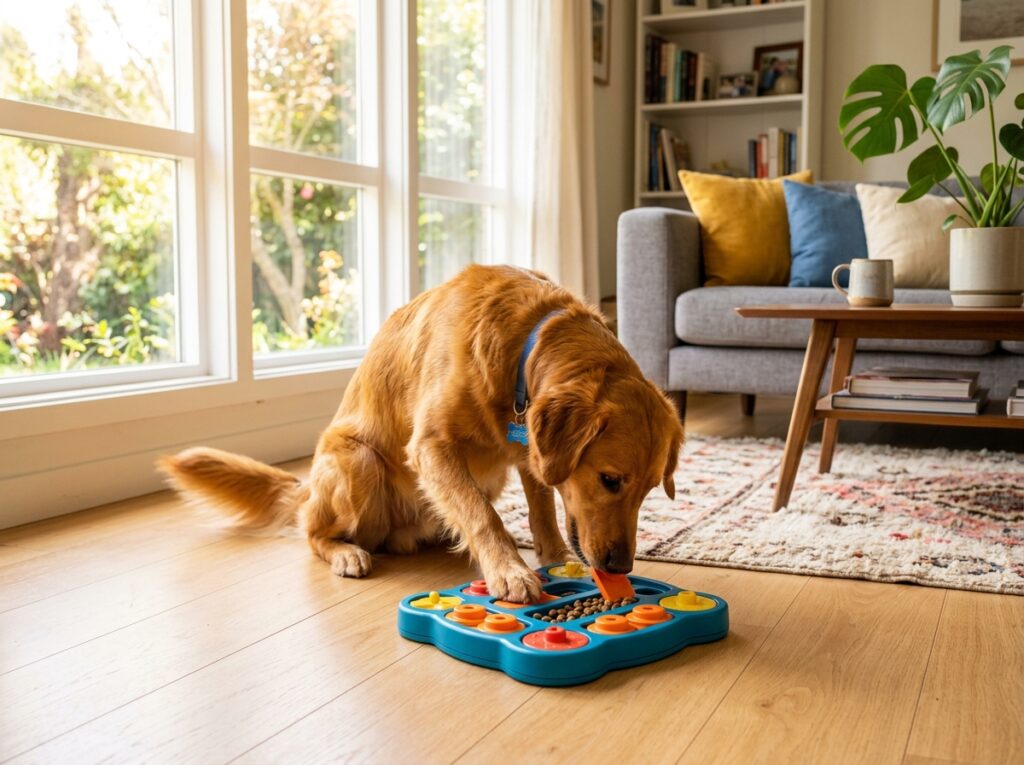
Instead of just pouring food into a bowl, turn the act of eating into a fun game. This is an excellent behavioral correction method. Try placing kibble in a snuffle mat where they have to track the scent, or use a treat-dispensing toy they can roll around. The sense of achievement from “hunting” their food helps them regain interest.
Furthermore, using a single piece of kibble as a reward during basic training (like “sit” or “wait”) plants a positive perception that kibble is highly valuable, eliminating the urge to resort to mixing treats with dog food.
The Owner’s Resolve and When to See a Vet
Watching your dog refuse to eat is heartbreaking, but tearing open a snack bag is only a temporary band-aid to avoid immediate conflict. Ultimately, it is a shortcut to ruining your beloved companion’s eating habits and inviting disease. For your dog’s healthy future, brace yourself and completely cut out all treats for the time being. Enforcing a strict, exceptionless restricted feeding rule is the true way to love and protect your dog’s health.
However, if your dog refuses both food and water for over 48 hours despite proper restricted feeding, you need to assess the situation differently. If anorexia is accompanied by lethargy, frequent diarrhea, vomiting, fever, or weight loss, it is likely not just a tantrum. It could be a signal of dental pain or an internal disease like digestive inflammation. In this case, visit a veterinary clinic immediately for a proper diagnosis.
Have you successfully overcome a picky eater without mixing treats with dog food? If you have your own success know-how, please share it in the comments below!