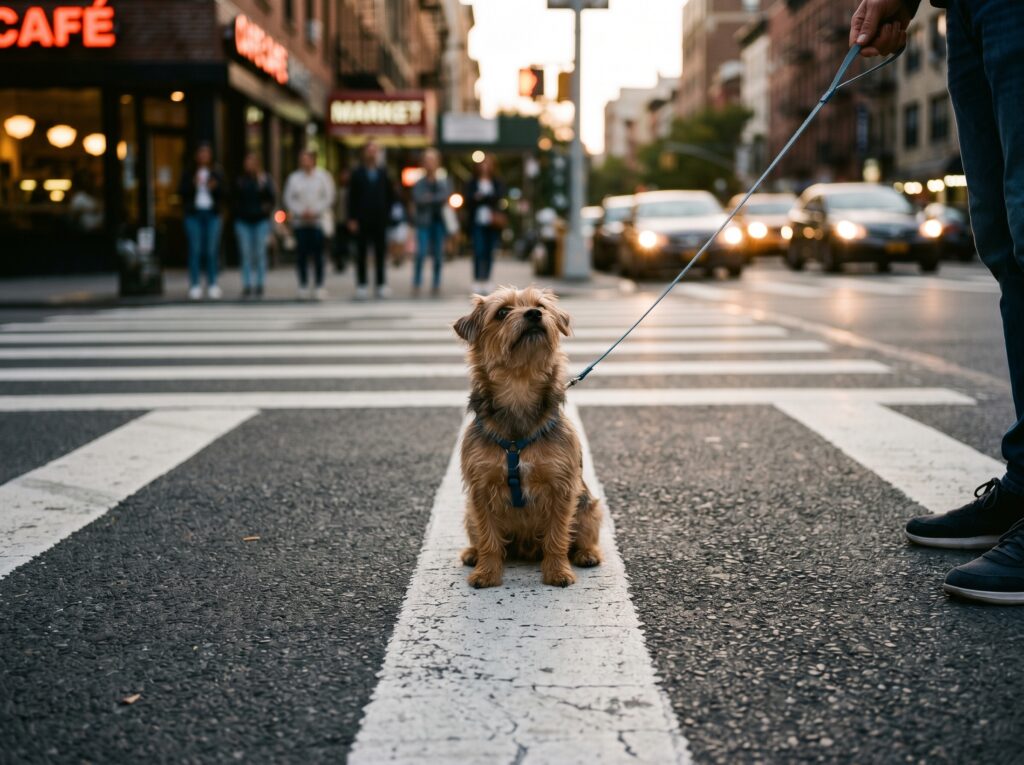
Not too long ago, I was taking my dog for our usual light evening stroll around the neighborhood. Suddenly, right in the middle of a busy crosswalk, my dog just dropped and sat down on the pavement. At first, I thought it was just a typical stubborn moment, so I gently tugged on the leash, but my pup wouldn’t budge. I later learned that this wasn’t just a refusal to move; it was a desperate cry for help signaling joint pain. Experiencing your Dog Freezing on Walks can be incredibly stressful and confusing for any pet parent.
In reality, when a dog suddenly stops or refuses to walk, it’s rarely just fatigue. It is often a non-verbal way of communicating pain or fear. If you notice your Dog Freezing on Walks frequently, especially before they even start prominently limping, it could be an early sign of musculoskeletal issues like arthritis or patellar luxation. Instead of forcing them forward by pulling the leash, it is crucial to understand the root cause of this physical discomfort.
Table of Contents
Distinguishing Between Stubbornness and Pain When Your Dog Freezing on Walks
Behavioral Patterns: Psychological vs. Physical Signs
It can be tricky to tell if your dog’s sudden halt is psychological or physical. Psychological stops usually happen in response to specific environmental triggers, like a loud noise or realizing they are heading toward the vet clinic. Once the trigger is gone or you change direction, they usually resume walking normally.
However, if physical pain is the reason for your Dog Freezing on Walks, they might suddenly sit down even on their absolute favorite route. During these moments, you might also notice stress calming signals, such as heavy panting, a tucked tail, or trembling.
The Invisible Danger: Hot Asphalt and Paw Pad Burns
During summer days, asphalt temperatures can soar 10 to 20 degrees higher than the actual air temperature. Since dogs struggle to dissipate heat efficiently, scorching pavement is a massive burden that can spike their body temperature and severely damage their sensitive paw pads.
Before heading out, press the back of your hand against the asphalt for 5 to 7 seconds. If it feels quite hot to you, postpone the walk to the early morning or late night when temperatures drop.
Signs of Paw Pad Burns to Watch For:
- Noticeably red or inflamed paw pads.
- Constant licking and chewing of the paws.
- Peeling pad surfaces or visible blisters.
If you observe these symptoms, paw pad damage is highly likely, and this acute pain could be the direct cause of your Dog Freezing on Walks. Do not apply human ointments at home; instead, visit a vet for proper treatment.
Early Signs of Arthritis and Warnings of Patellar Luxation
Analyzing Posture and Weight Distribution
A dog with joint pain will try everything to avoid putting weight on the aching leg. If they sit with one hind leg kicked out diagonally to the side, or rely too heavily on their front legs when standing up, it is a clear red flag for joint health.
Particularly in the early stages of patellar luxation, you might notice your dog skipping on three legs for a few steps during a walk before returning to a normal gait. Pay close attention to these behaviors, as they often accompany the issue of a Dog Freezing on Walks.
- Reluctance to climb stairs they usually navigate easily.
- Hesitating at the bottom of the sofa or bed instead of jumping up.
- Stiffness in the body when getting up after a long nap.
Structural Causes of Joint Pain from a Veterinary Perspective
Degenerative osteoarthritis is a condition where the cartilage wears down, causing inflammation and chronic pain inside the joint capsule. Obesity and past injury history, not just natural aging, act as major risk factors threatening joint health.
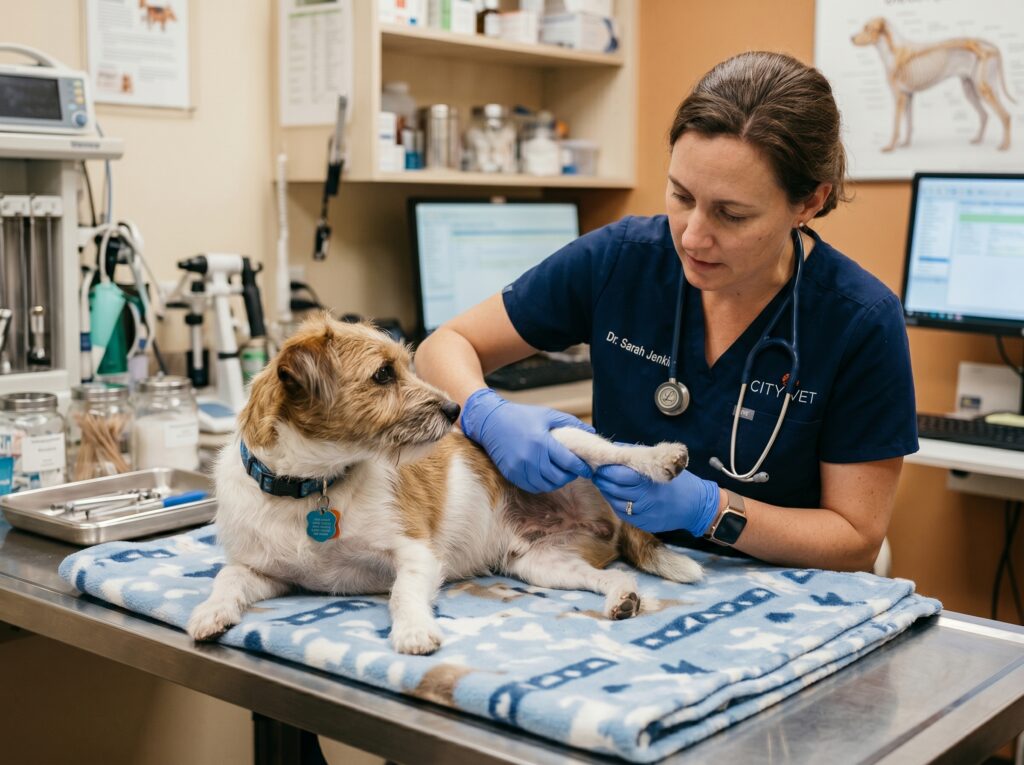
Patellar luxation happens when the kneecap slips out of its normal trochlear groove, putting constant irritating stress on ligaments and cartilage. It is incredibly common in small breeds, and if not managed properly, it can lead to secondary problems like a ruptured cruciate ligament. The exact stage and inflammation level of these joint diseases can only be confirmed through X-rays and a vet’s orthopedic palpation. For more foundational knowledge on animal wellness, you can always consult reputable organizations like the [🔗ASPCA].
Prevention and Management: Responding to Your Dog’s Silent Cry for Help
The most fundamental and important principle in preventing and managing musculoskeletal diseases in dogs is strict weight control and improving your home environment, such as installing non-slip mats. Excess weight puts immense physical strain on fragile joints, so daily weight management is vital.
For senior dogs or those with weakened joints, change your walking routine. Instead of one long 30-minute walk, breaking it down into 10 to 15-minute sessions, two or three times a day, is an excellent way to exercise without stressing the joints and cardiovascular system.
Tips for Using Dog Joint Supplements: Ingredients like Omega-3 fatty acids, glucosamine, and chondroitin can provide secondary help in reducing joint inflammation and maintaining cartilage health. When administering these supplements, I find it highly effective to serve them alongside premium, single-ingredient oven-baked meat treats. This ensures the dog takes their supplements joyfully without added stress or unhealthy calories.
However, remember that supplements are just preventative aids. If your dog is in clear pain or limping, consulting a vet to determine the proper treatment direction is the priority. You can read more about comprehensive home care in our [🔗internal guide on pet wellness].
Your careful observation creates a comfortable and healthy tomorrow for your pet. Has your furry friend ever surprised you by suddenly stopping? If you have noticed any special signals or have wise coping methods for a Dog Freezing on Walks, please share them freely in the comments below!