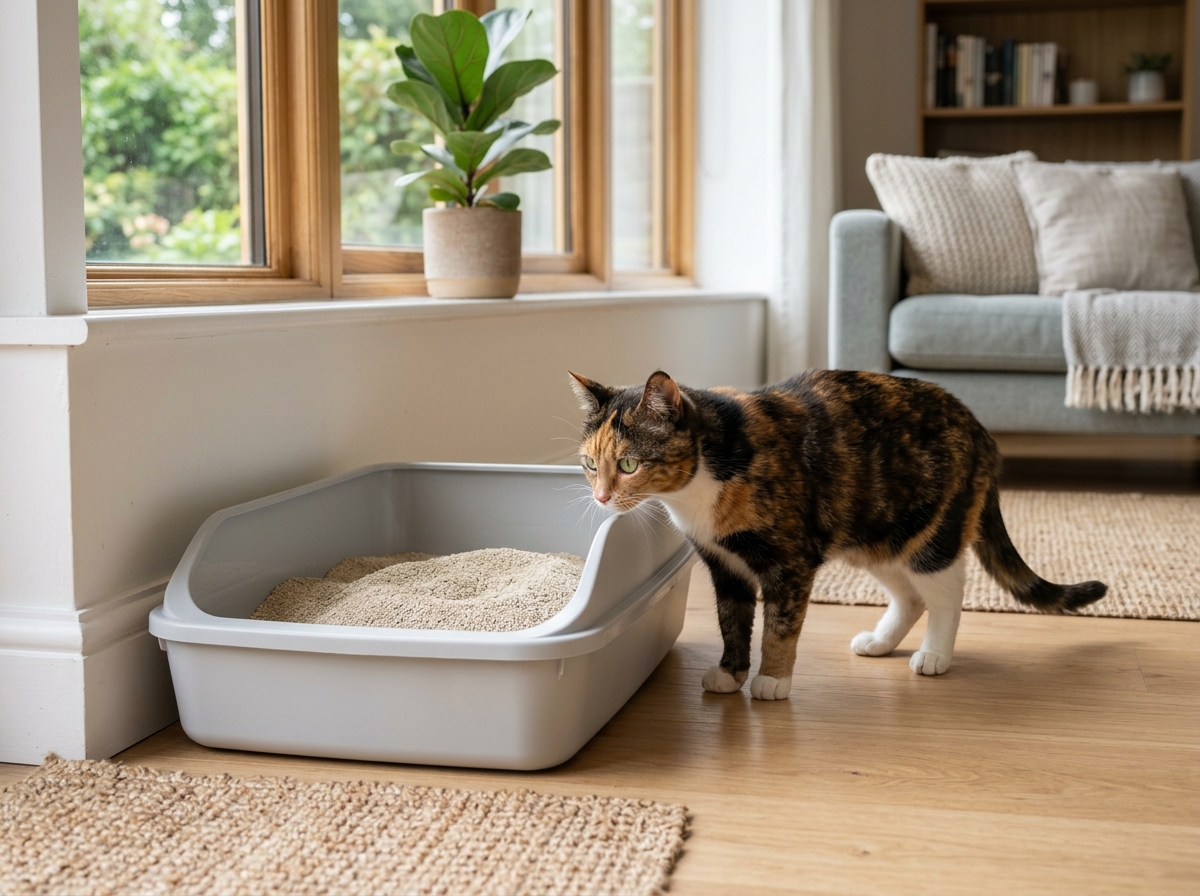
Did you know that inappropriate elimination is the number one behavioral reason felines are surrendered to shelters, and it is often directly linked to the bathroom environment? According to veterinary behaviorists, forcing a cat to use a substrate they instinctively hate can lead to chronic stress, holding in urine, and eventually, severe Feline Lower Urinary Tract Disease (FLUTD). Choosing the ideal substrate is not just a matter of convenience for the owner; it is a critical medical and psychological decision for your feline companion.
Table of Contents
1. Why Your Choice of Substrate Matters
For a cat, the litter box is a space where their wild instincts remain strongly intact. If the texture or smell of the sand is unappealing, their visits to the box will naturally decrease.
Years ago, when a sweet cat named Galchi first joined our family, selecting the optimal bathroom setup was a major source of anxiety. Like many first-time caregivers, I spent hours wandering store aisles, endlessly tossing different bags into the shopping cart and taking them back out. It was a steep learning curve, but it taught me that a cat’s bathroom environment is deeply connected to their overall stress management. Ignoring their preferences can quickly lead to painful conditions like cystitis or other urinary tract issues. Therefore, discovering the best cat litter means prioritizing your pet’s comfort and behavioral needs above mere cleanup convenience.
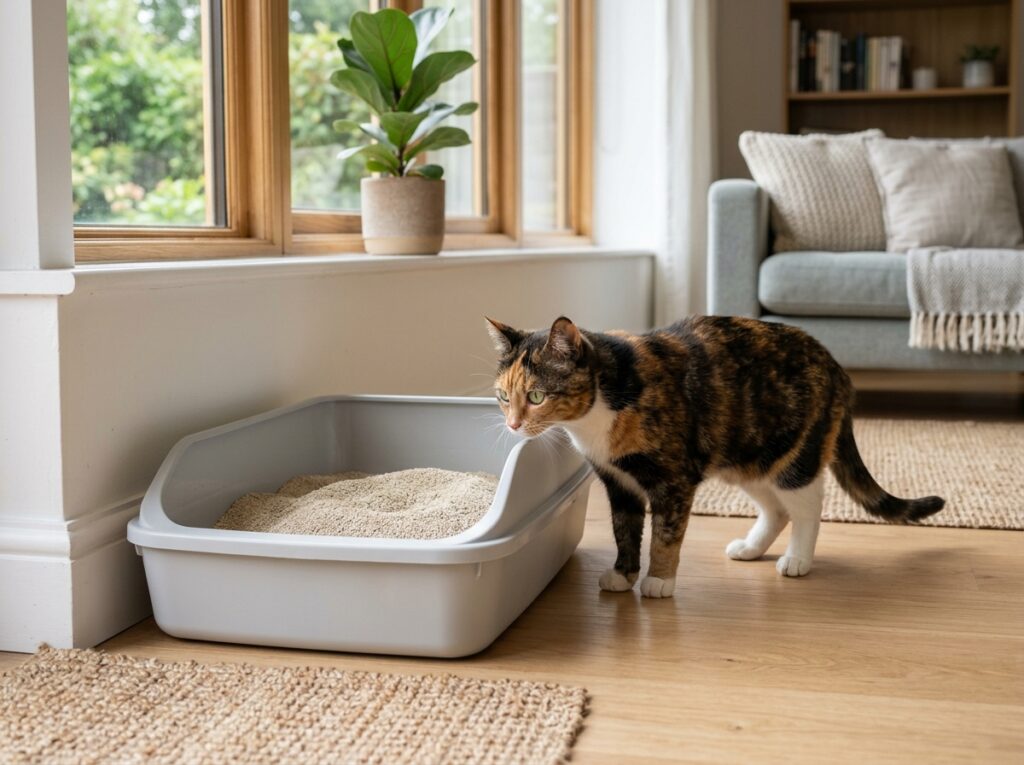
2. The Big Three: In-Depth Cat Litter Comparison
To help you skip the trial-and-error phase, let’s break down the behavioral and practical characteristics of the three most popular options on the market today.
🌱 Tofu Litter: Eco-Friendly but Behaviorally Challenging
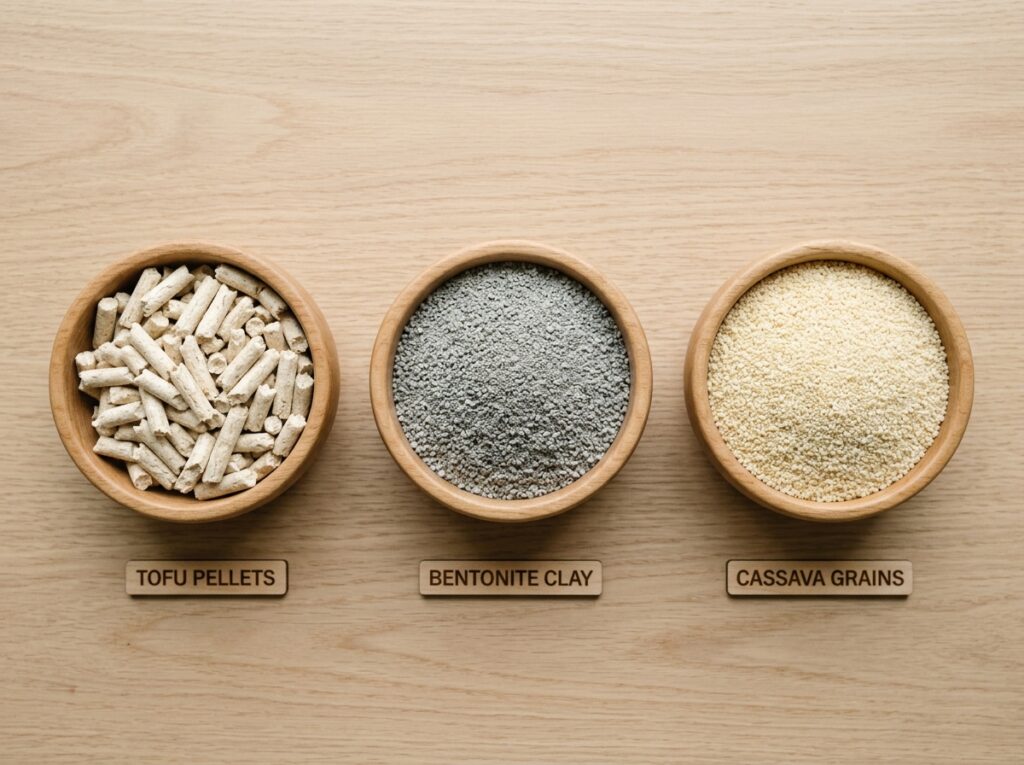
Tofu options are crafted from plant-based ingredients like soybean residue, making them highly biodegradable. They typically come in a thick pellet form, which is excellent for minimizing tracking around the house.
However, from a feline perspective, this is often far from the best cat litters available. The large, hard pellets are completely unlike the fine, soft dirt they would naturally seek out in the wild. This texture can irritate the sensitive paw pads (the “jelly” beans), leading to lower preference rates.
- Caution: While often advertised as flushable, disposing of large amounts in the toilet can cause severe plumbing blockages. It is safer to dispose of it in regular trash.
- Behavioral Tip: Because of the lower preference rate, it can trigger elimination accidents outside the box. If you are transitioning to tofu, monitor your pet’s reaction very closely.
🏖️ Bentonite Clay: The Undisputed Champion of Preference
Bentonite is a natural mineral and the classic clumping option. It boasts a fine, soft texture that closely mimics the natural soil used by the African wildcat, the ancestor of our domestic companions.
Because it caters perfectly to their digging and covering instincts, bentonite holds the number one spot for feline preference, with an acceptance rate of over 80%.
- Health Caution: The manufacturing process can leave behind fine mineral dust, which may irritate a cat’s eyes or respiratory system. It is vital to choose premium brands that utilize strict, multi-step dust removal processes.
- Digestive Warning: If your cat has a habit of ingesting foreign objects or aggressively grooming dusty paws, swallowing clay can cause digestive blockages.
🌽 Cassava Litter: The Next-Generation Hybrid Solution
Cassava is a 100% plant-based starch option made primarily from cassava roots and corn. It features a fine grain similar to clay, resulting in a significantly higher preference rate than tofu.
Its biggest advantage is that, being entirely plant-based, it produces zero mineral dust. This helps keep sensitive respiratory systems and eyes healthy. Furthermore, the natural starches create incredibly strong, fast-forming clumps.
- Performance: The clumps form tightly with minimal crumbling, making it very easy for you to monitor the size and frequency of urination.
- Environmental Caution: Because it is food-based, high humidity can encourage mold or bacterial growth. Excellent indoor ventilation is required. Consult a
veterinary nutritionistif your pet is on a strict prescription diet and has a habit of eating their substrate.
3. Objective Comparison: Clumping vs. Odor Control
When searching for the best cat litter, owners primarily look at two factors: clumping power and odor control. These are the core elements that determine the hygiene of the box.
| Material | Clumping Power | Odor Control |
| Cassava | Excellent | Average (Unscented Recommended) |
| Bentonite | Very Good | Excellent (Porous Structure) |
| Tofu | Somewhat Weak | Average (Beware of Artificial Scents) |
Plant-based options like tofu and cassava naturally have weaker odor-neutralizing capabilities, so manufacturers often add artificial fragrances. However, strong scents like citrus or lavender can cause severe olfactory stress for felines. Always opt for unscented varieties. Additionally, weak clumping leaves behind soiled crumbs that ruin hygiene; you should completely replace the contents every 3 to 4 weeks.
Finding the Balance: Tracking vs. Box Type
The finer the grain, the more likely it is to get stuck between toes and tracked across your floors. Bentonite and cassava suffer from higher tracking, while tofu is the cleanest in this regard.
To combat tracking, many owners switch to hooded or top-entry boxes. Behaviorally, this is a mistake. Enclosed boxes cut off the cat’s field of vision, making them feel trapped and vulnerable to “predators” (or other pets). The behaviorally sound approach is to use a large, open-top box paired with a high-quality tracking mat.
4. Tailored Recommendations for Your Feline Friend
Raising Galchi taught me that there is no single perfect product in the world—the right choice is simply the one that aligns with your specific cat’s health condition and preferences. Here is a quick guide to help you choose:
- For Healthy, Average Cats: To minimize stress and satisfy wild instincts, unscented bentonite or a custom mix of bentonite and cassava is highly recommended.
- For Cats with Respiratory/Eye Sensitivities: If you notice frequent sneezing or eye discharge, 100% cassava is a brilliant, dust-free alternative.
- For Cats Requiring Urinary Monitoring: If you need to check for blood in the urine, pure white cassava makes visual monitoring incredibly easy. (Avoid tofu in this scenario).
💡 Transitioning Warning:
If your cat starts eliminating on the sofa or bed, aggressively scratches the sides of the box, or vocalizes while using it after a transition, pay close attention. While it could simply be a protest against the new texture, it might also be a signal of a medical emergency. Switch back to the previous substrate immediately and consult with a certified feline veterinary professional or the American Society for the Prevention of Cruelty to Animals (ASPCA) poison/health control guides.
💬 What substrate does your furry friend prefer right now? If you have any personal tips or success stories about finding the perfect setup, please share them in the comments below!