
As the founder of the pet food brand “Greenbone” for over 10 years, I have met countless pet parents who are deeply concerned about one stubborn issue: those dark, red tear stains under their dog’s eyes. It breaks my heart to see their frustration, especially since so many families—particularly here in Asia—share their homes with beautiful, white-coated breeds like Maltese, Pomeranians, and Bichon Frises. The contrast makes those dark marks look even more alarming.
I always tell my customers that natural remedies are the best starting point.In fact, understanding your dog’s overall diet is the first step to solving this issue. Smart pet parents are moving away from harsh chemicals, seeking safe, naturally derived foods instead. (If you want to learn more about healthy diet choices, check out our previous guide on Why We Are Fooled by the Term “Low-Sodium” Dog Treats Smart pet parents are moving away from harsh chemicals and medications, seeking safe, naturally derived foods instead. If you are wondering about the true benefits of beef liver for dogs, let me share exactly what I have learned from over a decade in the field, and how you can safely feed it to your furry best friend.
Table of Contents
What Causes Those Stubborn Red Tear Stains?
The reddish-brown color you see actually comes from a substance called “Porphyrin,” an iron-containing molecule excreted through tears and saliva. When this substance reacts with sunlight and oxygen in the air, it oxidizes and turns red or brown. It is a natural chemical reaction.
Excessive tearing, medically known as Epiphora, can be triggered by a wide variety of issues. These range from structural problems like blocked tear ducts or inward-pointing eyelashes to dietary allergies and conjunctivitis.
Most importantly, if your dog suddenly lacks energy alongside these tear stains, it might not just be a cosmetic issue. It could signal underlying inflammation or a red flag for their overall health. Before trying new dietary additions like beef liver for dogs, I always strongly recommend getting an accurate diagnosis from your vet to rule out any serious underlying conditions.

Why Choose Beef Liver for Dogs as a Natural Treat?
1. Vitamin A for Eye Health and Tear Stain Control
There is a profound reason why so many pet owners seek out beef liver for dogs to naturally manage tear stains. This incredible organ meat is exceptionally rich in Vitamin A (Retinol)—a fat-soluble nutrient that is absolutely essential for maintaining your dog’s vision and protecting their eye mucous membranes.
Adequate Vitamin A intake helps prevent dry eyes and boosts the overall immunity of the skin around the eyes. As a result, it creates a healthy tear-producing environment, playing a highly positive role in clearing up messy tear stains.
However, you must remember that even the highest quality beef liver for dogs is not a magical cure-all. If the excessive tearing is caused by structural eye defects or a specific protein allergy, simply feeding them liver won’t perfectly solve the problem. Consistent care is required, and medical intervention may be necessary.
2. Rich Iron Content for Energy Recovery
Beyond eye health, this ingredient is fantastic for restoring vitality. It is a nutritional powerhouse packed with iron, which is vital for generating hemoglobin in red blood cells. It also contains high levels of copper, Vitamin B12, and folic acid.
These nutrients actively support the body’s oxygen transport capabilities. Therefore, it is a brilliant choice for helping dogs recover from surgery or assisting mother dogs in regaining their strength after giving birth. Packed with high-quality protein and essential amino acids, it serves as a healthy energy source for highly active dogs.
The Proper Feeding Guide for Dried Beef Liver Jerky
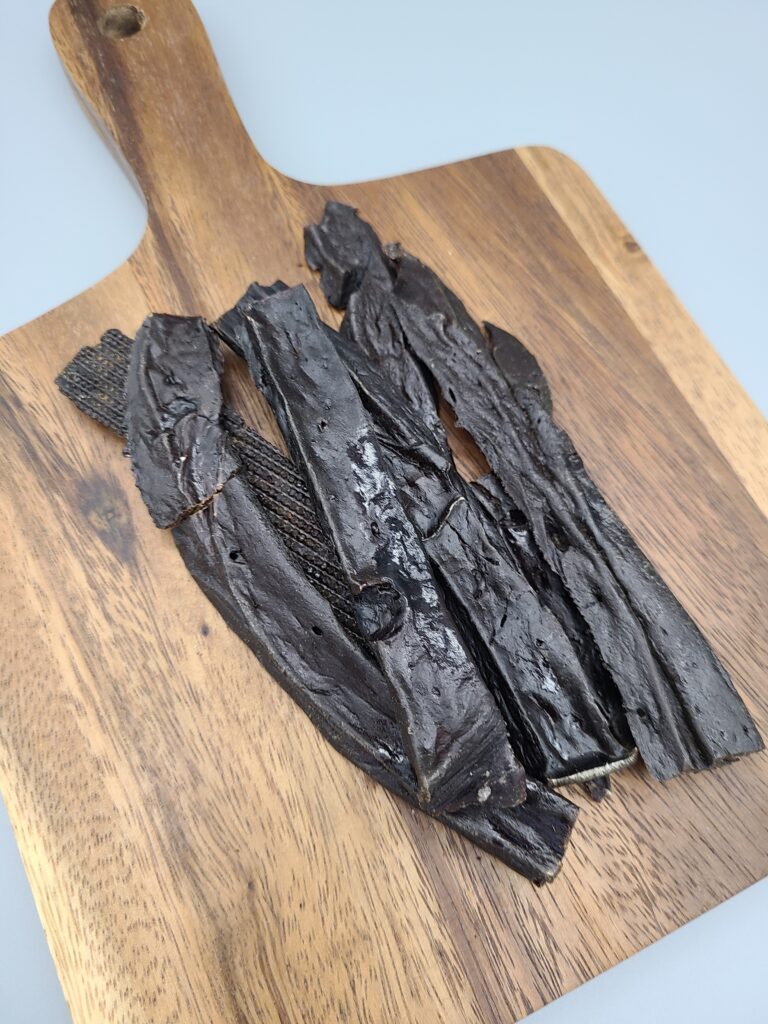
When preparing beef liver for dogs into dried jerky, the moisture is removed, meaning its nutrients and calories become highly concentrated compared to raw liver. Therefore, strict portion control is absolutely critical, no matter how healthy it is.
While general treats can make up to 10% of a dog’s daily recommended caloric intake, I recommend limiting high-nutrition foods like liver to under 5% to prevent overnutrition.
⚖️ Recommended Daily Serving Size by Weight (For Reference)
- Small Dogs (Under 5kg): 1 to 2 thumbnail-sized pieces daily (approx. 2-5g)
- Medium Dogs (5-15kg): 3 to 4 pieces daily (approx. 5-10g)
- Large Dogs (Over 15kg): 5 to 6 pieces daily (approx. 10-20g)
⚠️ Precautions for Overconsumption (Vitamin A Toxicity)
The most important thing to watch out for is the side effects of overconsumption. Unlike water-soluble vitamins, fat-soluble Vitamin A does not easily flush out through urine; it accumulates in the body (primarily the liver).
- Watch for Symptoms: Long-term overfeeding beyond the recommended amount can cause joint discomfort, loss of appetite, and weight loss. Instead of a daily snack, treat it as a special reward 1 to 2 times a week.
- Breed-Specific Risks: Breeds genetically prone to copper accumulation, such as Bedlington Terriers and Dalmatians, should avoid this treat.
- Underlying Conditions: If your dog already suffers from liver or kidney disease, you must consult your veterinarian or trusted organizations like the
[🔗ASPCA]for safe dietary guidelines before feeding.
Conclusion: Choose Wisely and Feed Safely
Often referred to as “nature’s supplement,” the nutritional value of beef liver for dogs is truly outstanding. However, failing to control the portion size can actually put a burden on their health, making your careful management essential.
When choosing a product for your furry child, always opt for 100% natural, clean treats made strictly from raw ingredients, completely free from artificial additives, preservatives, or colorings.
Above all, remember that treats are just a supplementary tool to assist in your dog’s health management. For your beloved dog’s long and healthy life, I strongly urge you to combine good nutrition with regular veterinary checkups.
💬 What is your dog’s absolute favorite treat? If you have your own secret tips that helped you succeed in managing tear stains, please share them widely in the comments below!