Table of Contents
When my dog Bok-dol ran away, I desperately prayed for his dog homing instinct to guide him back home.
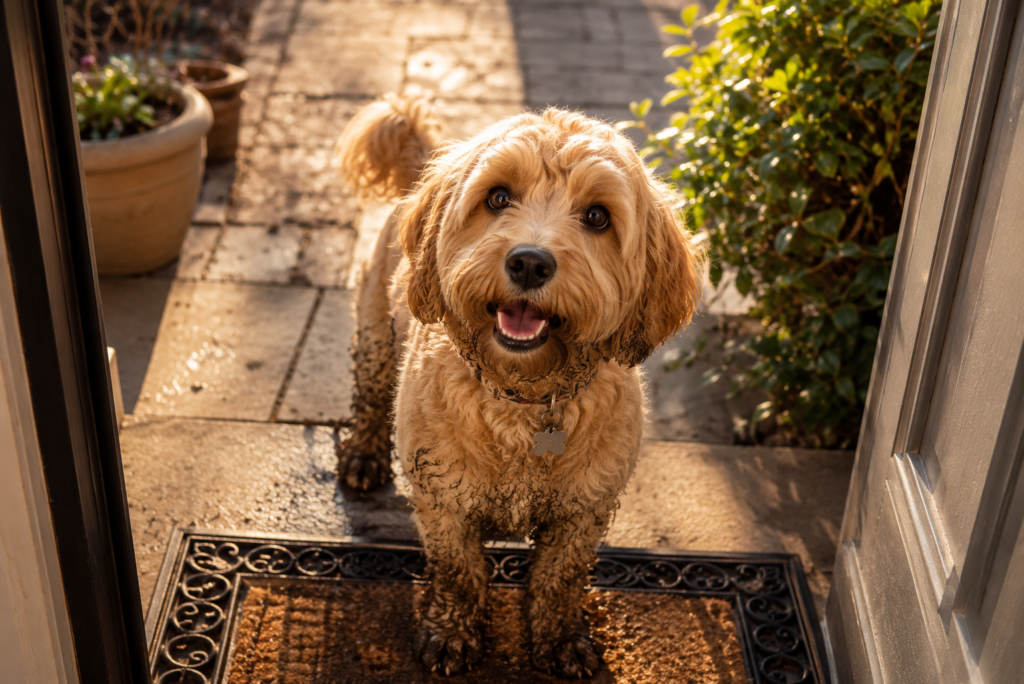
I still get a sinking feeling in my chest whenever I think about that terrifying day. During our usual walk, a sudden, deafening noise startled my dog, Bok-dol. In sheer panic, he slipped right out of his harness and bolted into the distance. Losing a pet triggers an indescribable level of anxiety and stress that I wouldn’t wish on anyone. For two agonizing days—a full 48 hours of running all over the neighborhood, crying, and putting up flyers—I was losing hope. Then, a miracle happened: a very muddy Bok-dol suddenly appeared at our front porch all by himself.
While Bok-dol’s safe return gives immense hope to many distraught pet parents, as an expert, I must be completely honest: this is an incredibly exceptional case. How did he navigate a maze of unfamiliar streets to find his way back? We often attribute this to memory or sheer luck, but the reality involves a highly sophisticated biological system. Today, we will explore the fascinating science behind the dog homing instinct, why we should never rely on it entirely, and the crucial steps to take to ensure your furry friend’s safety.
Is There Scientific Proof Behind the Dog Homing Instinct?
We frequently assume that dogs navigate their way back using their incredible sense of smell, which is tens of thousands of times stronger than ours. However, relying on scent alone cannot fully explain long-distance returns. Wind direction, heavy rain, and harsh city exhaust fumes constantly alter and destroy scent trails.
Modern ethology and biology explain this remarkable phenomenon through a “sixth sense” known as Magnetoreception. Essentially, our dogs have an invisible biological compass built into their bodies, which acts as the foundation of the dog homing instinct.
The Role of Cryptochrome 1 and Magnetite
In 2016, a multinational research team, including scientists from the Max Planck Institute, discovered a specific light-sensitive protein called Cryptochrome 1 (Cry1) in the retinas of dogs and cats. This groundbreaking discovery scientifically proved that pets possess a “biological compass” that allows them to visually perceive the Earth’s magnetic field patterns through light.
Furthermore, there is a strong biological hypothesis that, similar to migratory birds and salmon, some mammals possess natural magnetic crystals called “Magnetite” in their eyes and nervous systems. These tiny magnetite crystals respond to the subtle flow of the Earth’s magnetic field, sending neural signals to the brain. This subconscious processing allows the animal to recognize its relative position and determine North or South. Whether it is magnetite alone or a complex interaction with Cryptochrome proteins, science confirms that a highly sophisticated internal sensor is what truly powers the dog homing instinct.
Why Dogs Spin Before Pooping
Have you ever noticed your dog spinning in circles before finally settling on a specific direction to poop? This quirky behavior is astonishing evidence of their internal compass at work.
According to a fascinating 2013 study published in [🔗Frontiers in Zoology], researchers observed over 7,000 defecation events in 70 dogs. They found that dogs naturally align their body axis along the North-South (N-S) magnetic lines when doing their business. This sense of direction serves as crucial baseline data, helping them establish coordinates in unfamiliar environments and ultimately guiding their path home.
The Realistic Limits of the Dog Homing Instinct
Bok-dol’s safe return was a heaven-sent miracle. However, unlike wild animals that navigate rugged terrains daily, our modern indoor pets have a significantly lower spatial awareness.
A modern urban environment can easily overwhelm a dog homing instinct. Severe city noise and exhaust emissions cripple their sense of smell. Furthermore, dense clusters of high-voltage power lines and towering skyscrapers cause massive electromagnetic interference, making it nearly impossible for their magnetoreception to function properly. If a pet is in a state of extreme panic, fighting for territory with stray animals, or injured, this natural ability will completely shut down.
The “Golden Time” Missing Dog Manual
You must never just sit and wait, hoping the dog homing instinct will magically bring them back. Veterinary experts and organizations like the [🔗American Society for the Prevention of Cruelty to Animals (ASPCA)] emphasize that the “Golden Time” for finding a lost pet is within the first 3 hours.
During this critical window, a terrified dog is highly likely to be hiding within a 500m to 1km radius of where they went missing.
- Report Immediately: File a missing pet report with your national pet registration system immediately.
- Strategic Flyer Distribution: Place flyers featuring a recent photo at both eye level for humans and lower levels on telephone poles, local shop windows, and park entrances.
- Utilize Scent: Leave an unwashed piece of your clothing or their favorite dog bed near the location they went missing. This behavioral trick anchors them to that spot by providing a comforting, familiar scent.
GPS Trackers and Microchips: The Ultimate Protection
The most important step is strict prevention. A registered, implanted microchip is the most foolproof safety net, ensuring that if your pet ends up in a shelter, they can be identified.
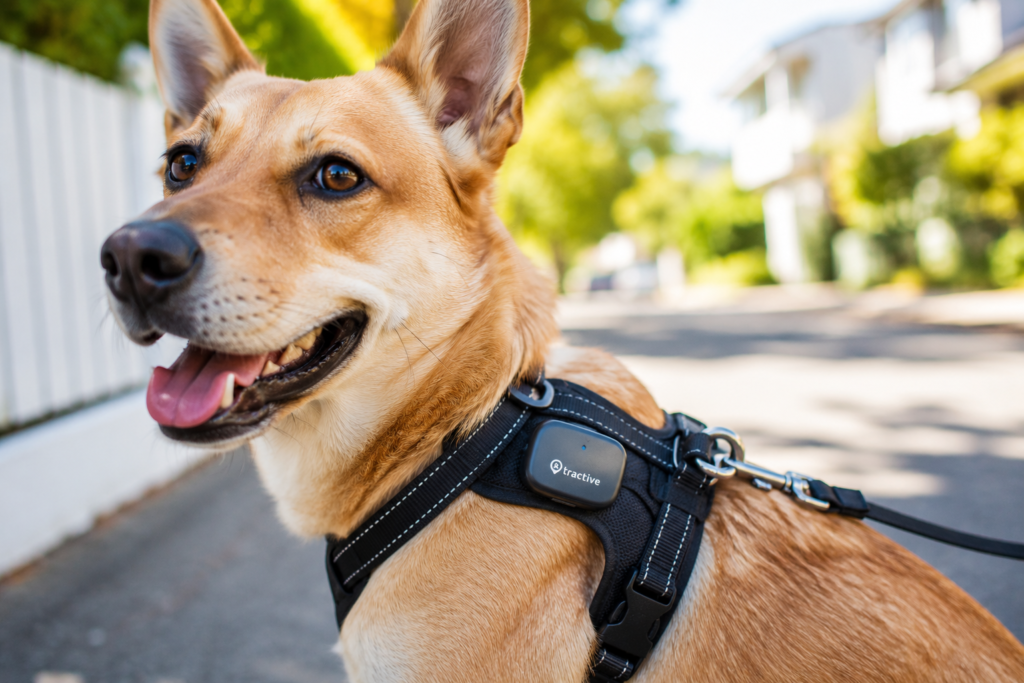
However, microchips do not offer real-time location tracking. For daily walks, it is highly recommended to attach a smart GPS tracker to your dog’s harness. Checking the battery life and ensuring you have an escape-proof setup is far safer than blindly trusting the dog homing instinct. We highly recommend reading our [🔗guide to choosing escape-proof harnesses] for maximum security.
Conclusion: Prevention Over Miracles
The dog homing instinct, powered by biology and the Earth’s magnetic fields, is undeniably a magical and scientifically proven ability. However, it is by no means a guaranteed magic wand that will bring your pet back safely 100% of the time.
Bok-dol’s case was an incredibly lucky exception. In an unforgiving urban landscape, a lost pet often faces tragic consequences. Never leave your pet’s safety up solely to the dog homing instinct. Instead, rely on strict preventive measures: install double safety gates, always check leash connections, ensure microchips are updated, and use a GPS tracker.
These small habits protect our happy lives with our pets. Do you have any special preventive measures or know-how for safe walks with your dog? Feel free to share them in the comments below!