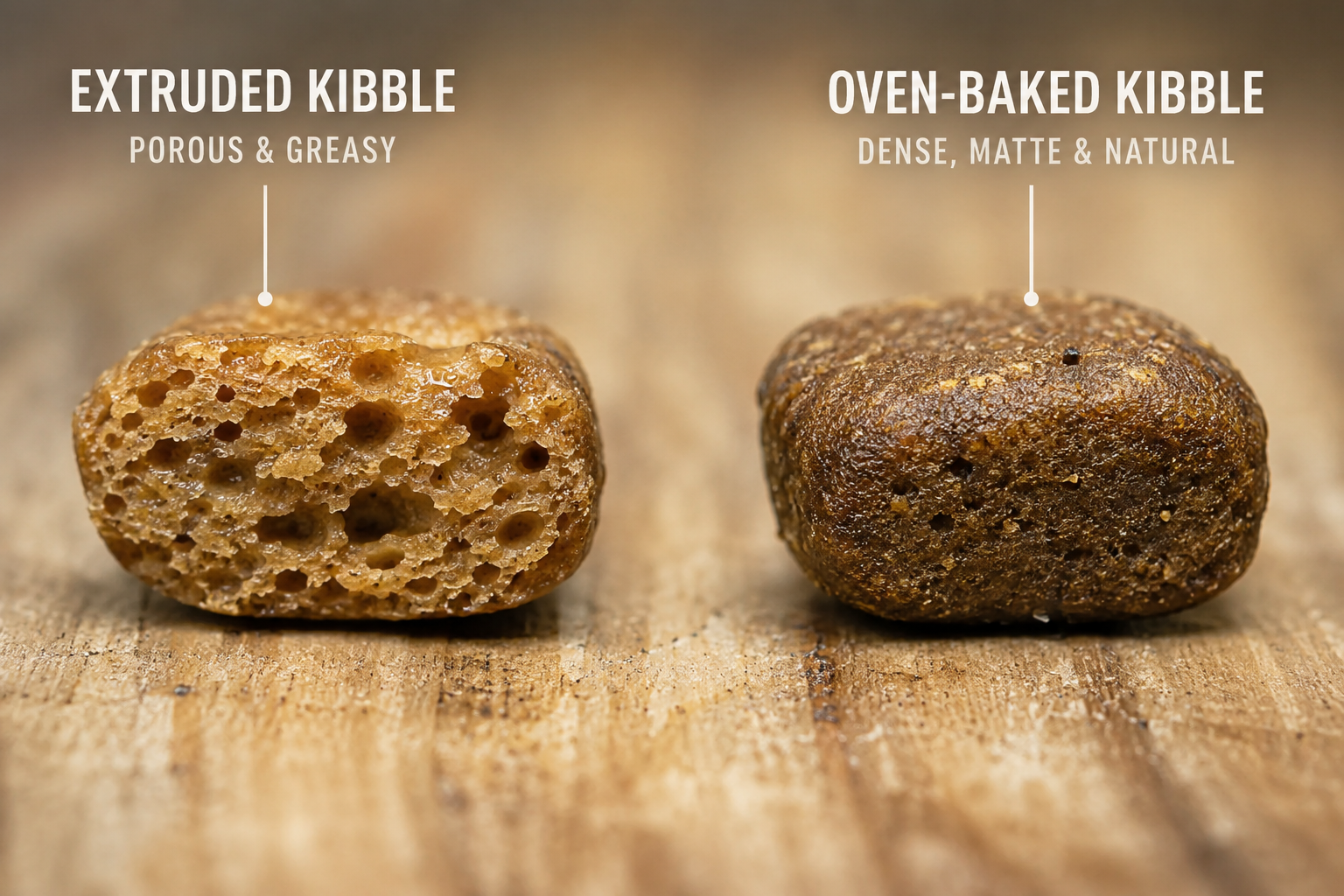
I still remember the heavy, suffocating smell of burnt oil when I first visited a massive commercial kibble plant a decade ago. It clung to my clothes for days. Contrast that with the aroma in an oven-baking facility, which smells surprisingly like a neighborhood bakery roasting fresh meat.
Table of Contents
When I started making pet food and navigating the endless choices for my own dog, Bok-dol, I realized how little we actually know about what goes into their bowls. Through years of operating a manufacturing floor, sorting raw materials by hand, and dealing with spectacular production failures, I’ve seen the raw truth of dog food processing.
Let’s talk about oven-baked diets. Not the marketing fluff, but the actual science and sweat that goes into them.
3 Common Myths About Oven-Baked Dog Foods
Myth 1: The Manufacturing Process is Just Like Regular Kibble
People assume dry food is all made the same way. Not quite. Standard extrusion blasts dough through a tube at over 150°C under massive pressure, causing it to puff up violently.
When we first experimented with baking techniques for senior dog treats, I thought we could speed things up by raising the oven temperature by just 15 degrees. Big mistake. The outside turned into impenetrable rocks while the inside trapped raw moisture, leading to mold within days. We learned the hard way that genuine oven-baking requires painful patience. It sits at a gentle 90 to 110°C. It doesn’t puff; it condenses.
Myth 2: Baked Kibbles Are Too Dry for Proper Digestion
I often get calls from worried owners thinking baked food is too hard for their older dogs to chew and digest.
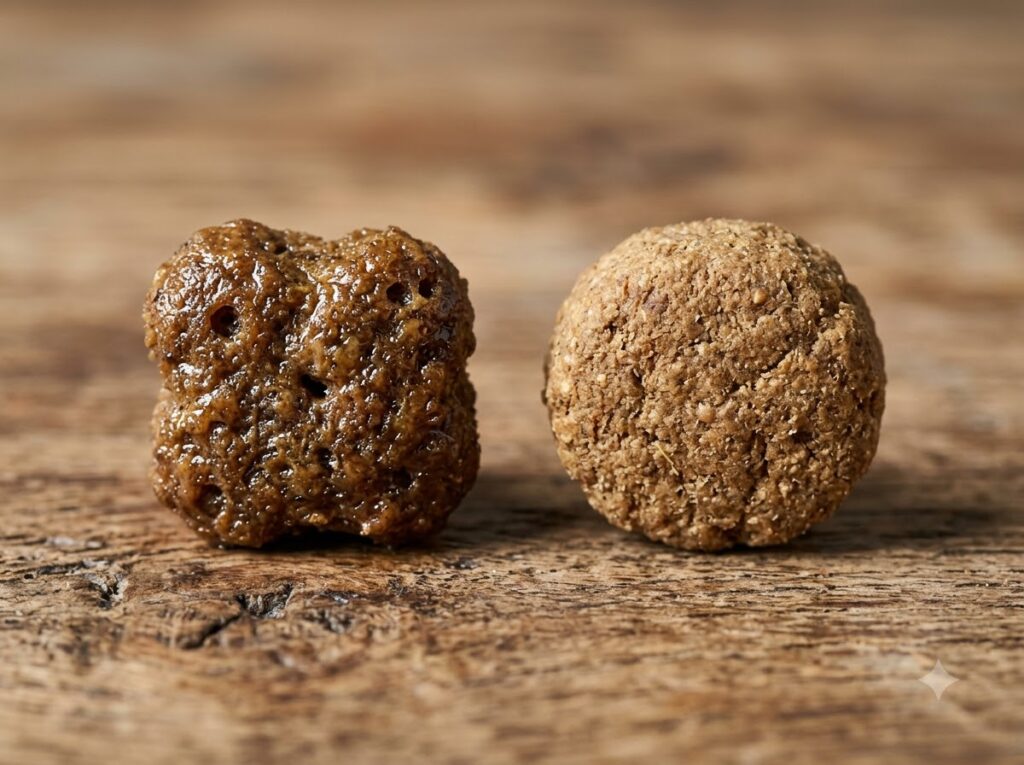
I always tell them to do the water glass test. I keep two beakers in my lab for this exact demonstration. Drop a standard extruded kibble in one, and a baked kibble in the other. The extruded one absorbs the water and swells like a giant sponge. This happens in your dog’s stomach, which may contribute to uncomfortable bloating. The baked kibble? It doesn’t swell. It simply breaks apart into soft sand. When Bok-dol started eating a baked diet, his heavy panting and post-meal lethargy vanished. It appears to allow the stomach to process food without unnatural expansion.
Myth 3: It’s Just Expensive Without Real Nutritional Value
Yes, it costs more. But looking at our quality control reports, the reason is clear.
An extruder machine spits out tons of food per hour. Our oven lines slowly crawl, producing a fraction of that amount. High-heat extrusion destroys heat-sensitive nutrients, and amino acids like lysine get obliterated through the Maillard reaction. To compensate, standard kibble requires a cocktail of synthetic vitamins sprayed on at the end. Slow baking seems to preserve these natural profiles much better, meaning your dog is getting nutrition from actual food, not just a synthetic premix.
The Veterinary and Scientific Benefits of Oven-Baked Diets
1. Superior Preservation of Amino Acids
Operating a low-temp drying room taught me a lot about protein denaturation. Raw meat changes fundamentally when boiled under high pressure versus gently warmed in an oven. By keeping the heat low, the natural antioxidants and vitamins from the raw ingredients remain largely intact. This intact protein matrix may support better metabolic rates and overall nutrient utilization in dogs.
2. Outstanding Palatability Without Greasy Additives
If you’ve ever scooped regular kibble, you know that greasy residue left on your fingers. During the extrusion process, the extreme heat burns away all the natural flavor. Factories have to run the puffed kibble through a “fat coater” to spray it with animal digest and oils just to make dogs eat it.
Baked foods don’t need this. The slow roasting naturally concentrates the meat’s flavor. I remember touching a freshly cooled batch of baked kibble on the factory floor—my hands were completely dry. This lack of sticky fat coating could help manage plaque buildup on your dog’s teeth. Bok-dol used to have a greasy chin after meals, but that completely cleared up after switching to a baked diet.
3. Enhanced Digestion and Gut Health
I once spent forty minutes on the phone with the owner of a 14-year-old Maltese. She was crying because her senior dog, who had chronic diarrhea for months, finally had a solid stool after switching to a gently baked diet.
Because the kibble crumbles instead of swelling, it places far less mechanical stress on the digestive tract. We also noticed during raw material sorting that using fresh, un-rendered meat in a baked format results in significantly less stool odor. It can be a very safe option for dogs with sensitive bowels or those recovering from gastrointestinal issues.
A Smart Guide to Choosing the Right Dog Food
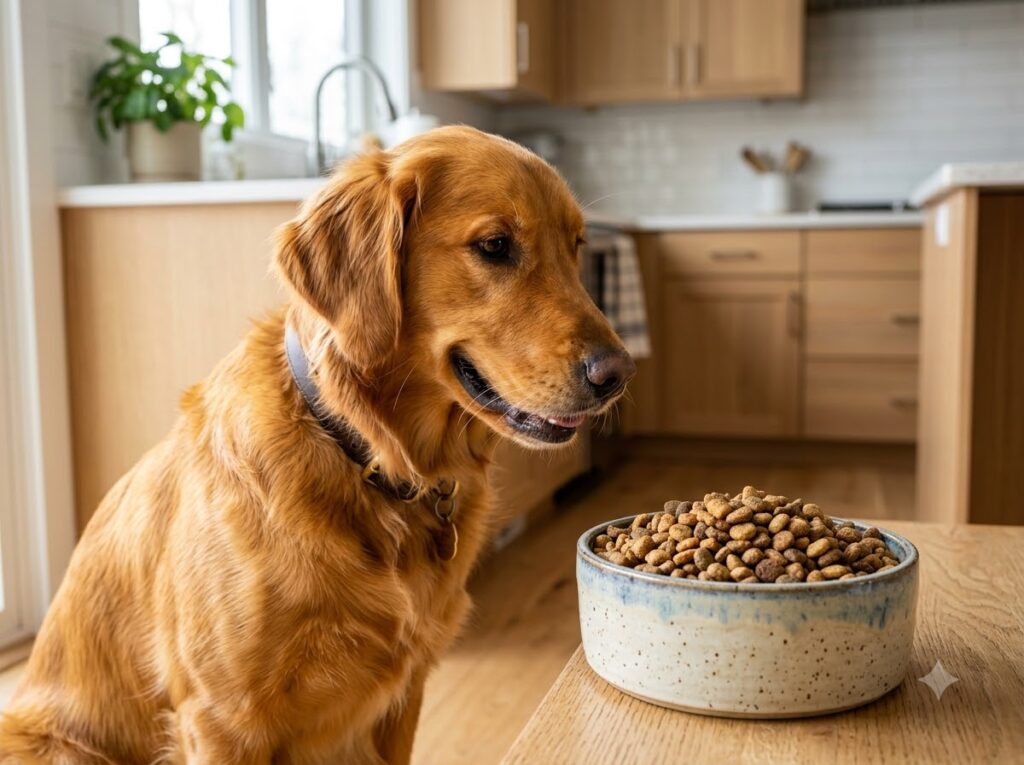
If you’re thinking about transitioning, grab a piece of the kibble and crush it between your fingers. A true low-temperature baked food will snap and crumble like a cracker, leaving no oily film behind.
Always check the label to ensure a transparent ratio of high-quality raw proteins. Remember to transition slowly over 7 to 10 days to let the gut flora adjust. Mixing the new baked food with their current diet prevents sudden microbiome shock. If your dog has specific medical issues or severe allergies, consulting a vet is always a smart first step.
FAQ
Q: Can puppies eat oven-baked dog food? A: Yes, as long as the specific formula is balanced for all life stages or specifically tailored for puppies. The easily crumbling texture can actually be gentler on puppy teeth.
Q: Why doesn’t oven-baked food expand in water? A: Unlike extrusion, which pushes air into the dough under high pressure to make it puff, baking cooks the dough slowly without expanding it. When it hits liquid, it dissolves rather than absorbing and swelling.
Q: Is oven-baked food better for picky eaters? A: It often is. The slow-baking process retains the natural aroma and flavor of the raw meats, which many dogs find much more appetizing than the artificial fat sprays used on standard kibble.
Comments
Has your dog ever experienced stomach issues after eating regular dry food? Try doing the water glass test with their current kibble and let me know what happens in the comments below! I’d love to hear your stories.