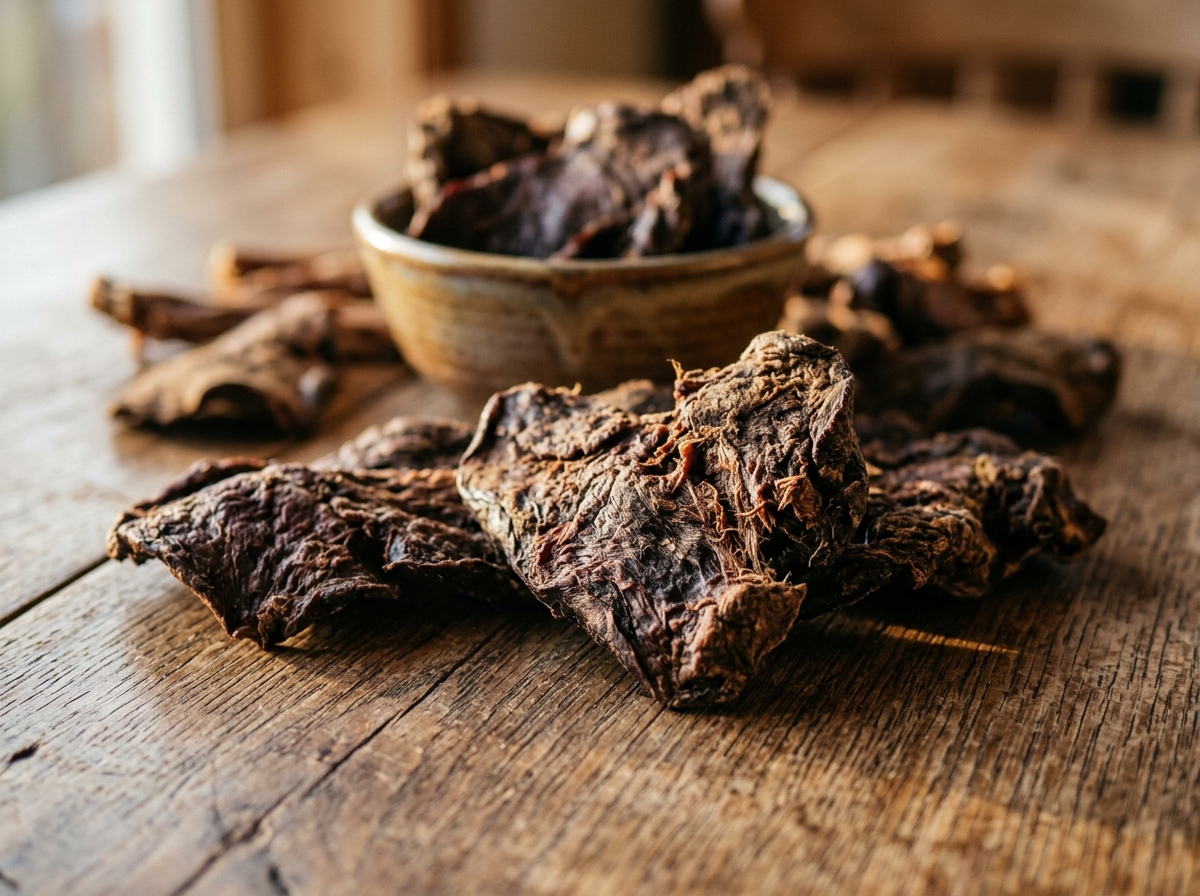
Did you know that in a completely sterile environment where no fungi or bacteria can survive, living organisms like our pets would also struggle to thrive? According to food scientists, a product that sits on a grocery shelf for years without a single spore of fungus might actually be packed with synthetic chemical preservatives. It’s a shocking realization for many pet parents who expect pristine, unspoilable snacks for their furry companions. When you spot fuzzy green spots on your pup’s favorite snack, your immediate reaction is likely panic or disgust. However, understanding the science behind mold on dog treats can completely shift your perspective on pet food safety and real nutrition.
Table of Contents
3 Common Myths About Moldy Pet Treats
Let’s debunk the most pervasive myths surrounding fungi growth on your pet’s snacks.
Myth 1: Mold equals poor manufacturing or cheap ingredients. People often assume that seeing mold on dog treat products means the manufacturer was careless. Scientifically, fungal spores are omnipresent in our environment. They merely require a specific water activity level, nutrients, and oxygen to bloom. Ironically, premium, handmade snacks without artificial preservatives create the perfect environment for this natural biological process. It simply means the food is real. (Note: Never feed the affected pieces; discard the entire bag immediately to avoid mycotoxin exposure).
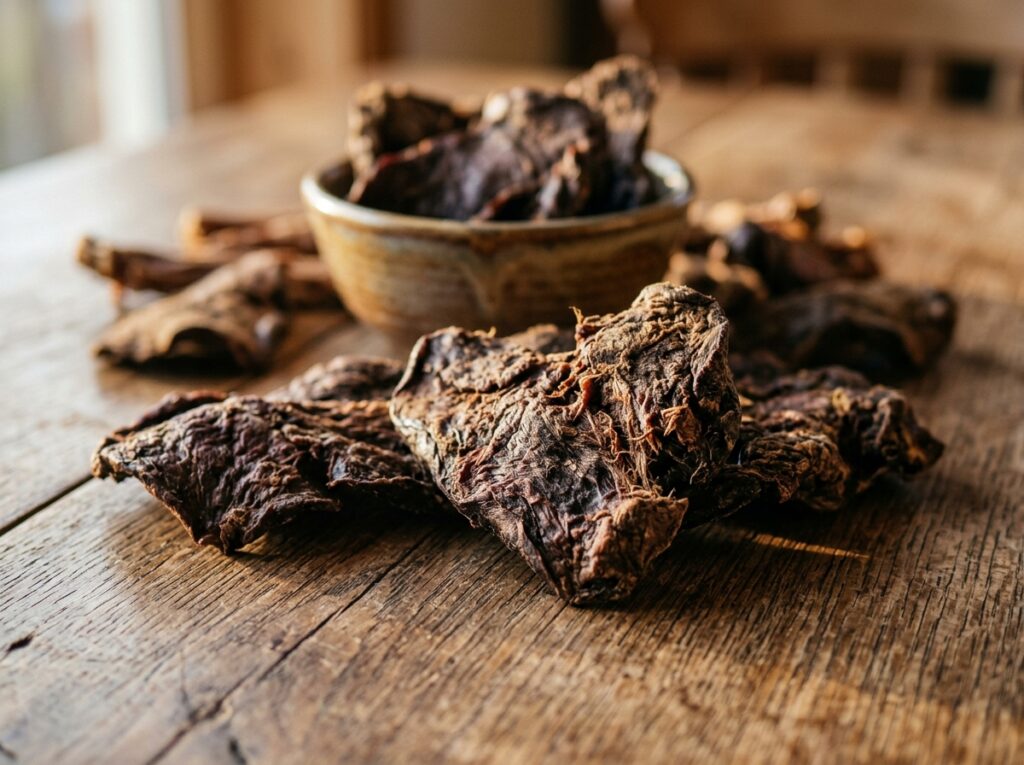
Myth 2: It can’t spoil before the expiration date. “But the expiration date is months away!” is a common frustration. That printed date assumes the package remains unopened in a perfectly climate-controlled setting. Once unsealed, exposure to room temperature, humidity, or even the natural oils from your hands can introduce spores. Specifically, when managing the Good Boy product line—featuring moisture-rich, single-ingredient chews like Hanu beef liver, turkey tendons, duck necks, and beef lungs—I’ve seen firsthand how quickly natural proteins can attract microbes if left out on the kitchen counter.
Myth 3: The best snacks never mold, regardless of storage. A snack that remains pristine on a warm shelf for months isn’t a miracle; it’s chemistry. Products heavily treated with chemical preservatives suppress microbial growth, but over time, these same chemicals can disrupt your dog’s gut microbiome or stress their liver and kidneys. A snack that can grow fungi is often a snack that is genuinely healthy and free of harsh synthetics.
The Scientific Truth Behind Fungi on Natural Chews
So, why does molding happen more frequently with high-quality, artisanal pet snacks?
The Proof of Zero Preservatives Pure, raw-ingredient snacks lack the chemical shields that artificial additives provide. Biologically speaking, fungal growth is a natural testament that the food is pure organic matter. Operating Greenbone, a dedicated pet food manufacturing business, we’ve consistently maintained a strict no-preservative policy. This means our treats are incredibly fresh, but it also means they are vulnerable to environmental changes. They demand refrigeration or freezing immediately after purchase.
Microscopic Packaging Breaches Even with state-of-the-art vacuum sealing, the rigors of shipping can create microscopic pinholes in the packaging. Once oxygen and stray spores breach this barrier, the high-nutrient environment inside becomes a rapid breeding ground. If you ever receive a package that has lost its vacuum seal, always contact the retailer for a replacement before feeding it to your dog.
The Hidden Danger of “Invincible” Food If a bag is ripped open, exposed to air, and still looks exactly the same three weeks later, you should be asking questions. High levels of synthetic preservatives or anti-microbial agents are likely at play. Always read the ingredient labels carefully if a product seems suspiciously resistant to nature.
The Artisan’s Guide to Proper Dog Food Storage
To enjoy the health benefits of preservative-free, handmade snacks without the worry of spoilage, rigorous storage habits are non-negotiable.
- Check the Label First: Always verify the protein and moisture content. Look closely to confirm the absence of synthetic preservatives. You can research safe ingredients on reputable animal welfare sites like the
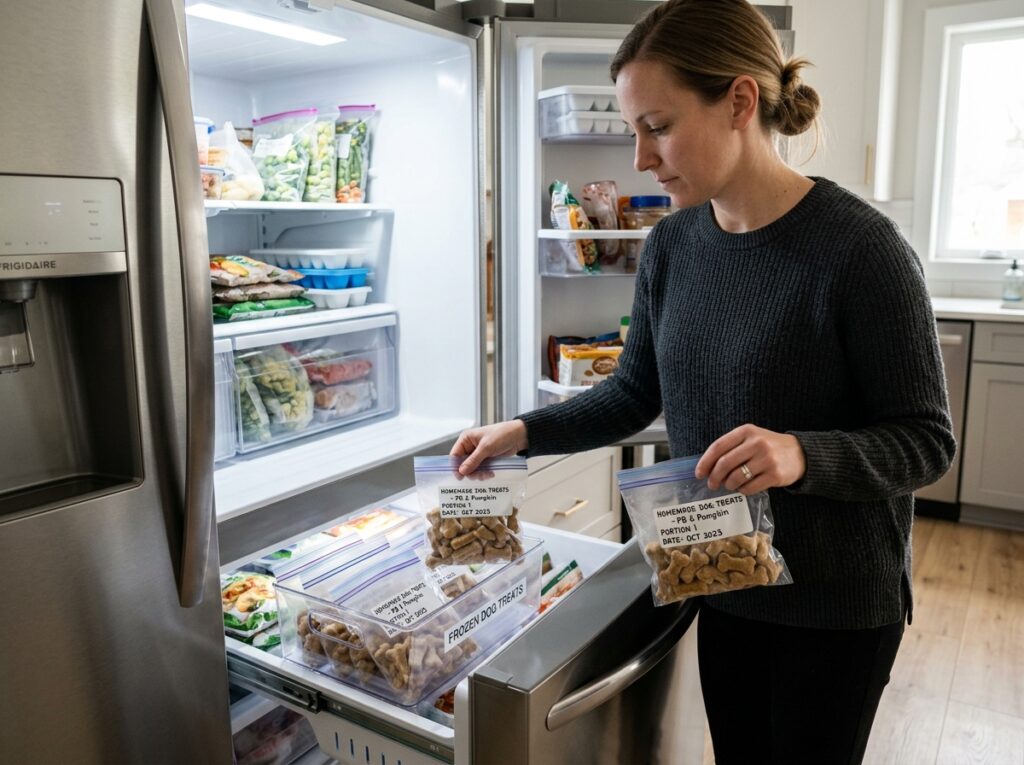
ASPCA. - Optimal Storage Protocol: Upon receiving your order, portion out single-serving sizes and immediately place them in the freezer (below -18℃). When it’s snack time, thaw the portion slowly in the refrigerator rather than leaving it out on the counter.
- Hygienic Feeding Practices: Never leave thawed treats out at room temperature for extended periods. More importantly, if your dog leaves a half-chewed piece behind, throw it away. Saliva introduces bacteria rapidly, creating a hotspot for microbial growth.
What If Your Dog Eats a Moldy Treat?
It’s a pet parent’s nightmare to realize your dog just swallowed a contaminated piece. Because fungi can produce mycotoxins that cause gastrointestinal distress or neurological symptoms, do not rely on home remedies. Place the remaining affected pieces in a sealed ziplock bag and visit your veterinarian immediately. Having the physical sample helps the vet identify the exact cause and administer the safest, most effective treatment.
Embracing the Reality of Fresh Pet Nutrition
Feeding our dogs safely means understanding that real food behaves like real food. Finding fungi on your natural dog treats isn’t necessarily a sign of a bad product; it’s a reminder that you’re dealing with authentic, unpreserved nutrition that requires careful handling. What are your favorite dog food storage hacks to keep things fresh? Share your best tips in the comments below!