![A senior dog showing early signs of dog dementia standing in a living room]](https://greenbone7.com/wp-content/uploads/2026/07/Senior_golden_retriever_in_livin…_202607131253-1.jpeg)
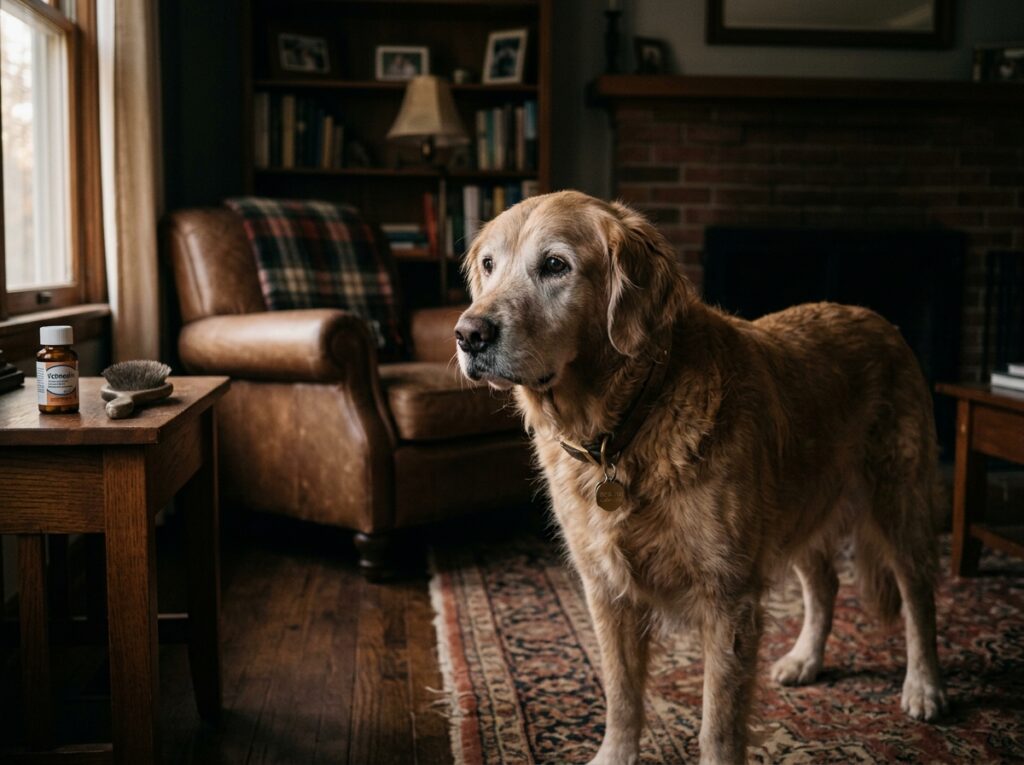
The living room is enveloped in shadows. Instead of the familiar, joyful sound of paws rushing to the front door, there is only heavy silence. A 15-year-old dog stands completely still in the corner, staring blankly at a blank wall, unresponsive to the familiar click of the door lock. It’s a scene that quietly breaks a pet parent’s heart. Many owners witness these subtle changes and brush them off, thinking, “My baby is just getting tired in their old age.” However, these heartbreaking moments are often the critical early warning signs of canine cognitive dysfunction—commonly known as dog dementia. Let’s uncover the veterinary facts behind cognitive decline and explore how to protect your furry family member before it’s too late.
Table of Contents
Why Strange Behaviors Are Early Dog Dementia Symptoms, Not Just Normal Aging
Myth 1: Dogs Just Get Grumpy and Stubborn as They Age
Have you noticed your older dog growling out of nowhere or becoming unusually stubborn? This isn’t just a natural change in personality. It is highly likely a loss of emotional regulation caused by a decline in the brain’s frontal lobe function due to canine cognitive dysfunction. Statistics show that while 28% of 11 to 12-year-old dogs show signs of cognitive impairment, a staggering 68% of dogs aged 15 to 16 suffer from dementia in dogs. If you dismiss this as mere aging, your pet may suffer from deepening anxiety. Sudden aggression is a medical signal that requires careful observation.
Myth 2: Night Wandering and Wall-Staring Are Just Sleep Habits
As illustrated by the heartbreaking image of a senior dog staring into a dark corner, this behavior—along with wandering aimlessly at night—is a hallmark sign of a cognitive issue. This happens due to sleep-wake cycle alterations and severe disorientation, caused by hormonal imbalances affecting the brain’s biological clock. Pacing the house all night or howling at nothing points directly to neurodegenerative changes.
Emergency Warning: If your dog is stuck in a tight space unable to back out, or is pressing their head firmly against a wall (head pressing), this could indicate a spike in intracranial pressure. You must seek an immediate diagnosis from a
veterinary professional.
Myth 3: Not Recognizing You Means They Are Just Tired
It is absolutely devastating when a dog you’ve spent a lifetime with suddenly seems to treat you like a stranger. Failing to recognize treats or showing zero reaction when family members come home is not simple fatigue. This is a clear cognitive dysfunction symptom stemming from a severe decline in social interaction capabilities, requiring active medical intervention to preserve their memory.
The Veterinary Truth Behind Canine Cognitive Dysfunction (CCD)
How Beta-Amyloid Plaques Affect a Dog’s Brain
Dog dementia shares strikingly similar mechanisms with human Alzheimer’s disease. A protein called “beta-amyloid” continuously accumulates in the dog’s brain, damaging neurons and causing brain atrophy. Unfortunately, once neurodegeneration begins, it cannot be fully cured or reversed. The primary goal of medical intervention is not a complete cure, but strictly delaying the progression. If your vet prescribes medication to regulate neurotransmitters, it must be administered under strict supervision, as it can cause digestive issues or unexpected excitement depending on the dog’s underlying health conditions.
Understanding the DISHA Checklist
If you are confused about whether your pet’s behavior is normal aging or canine dementia, the American Kennel Club (AKC) and veterinary experts recommend the DISHA diagnostic criteria:
- D (Disorientation): Getting lost in a familiar home or standing on the wrong side of a door (the hinge side).
- I (Interactions): A noticeable decrease in bonding with favorite humans or other pets.
- S (Sleep-wake cycle changes): Sleeping heavily during the day and restlessly pacing at night.
- H (House-soiling): Forgetting where the pee pad is and having consistent accidents indoors.
- A (Activity changes): Pacing aimlessly or a sharp drop in overall activity levels.
(Note: House-soiling can also stem from kidney failure, diabetes, or arthritis, making professional differential diagnosis essential.)
Proper Home Care Guide to Slow Down Dog Dementia
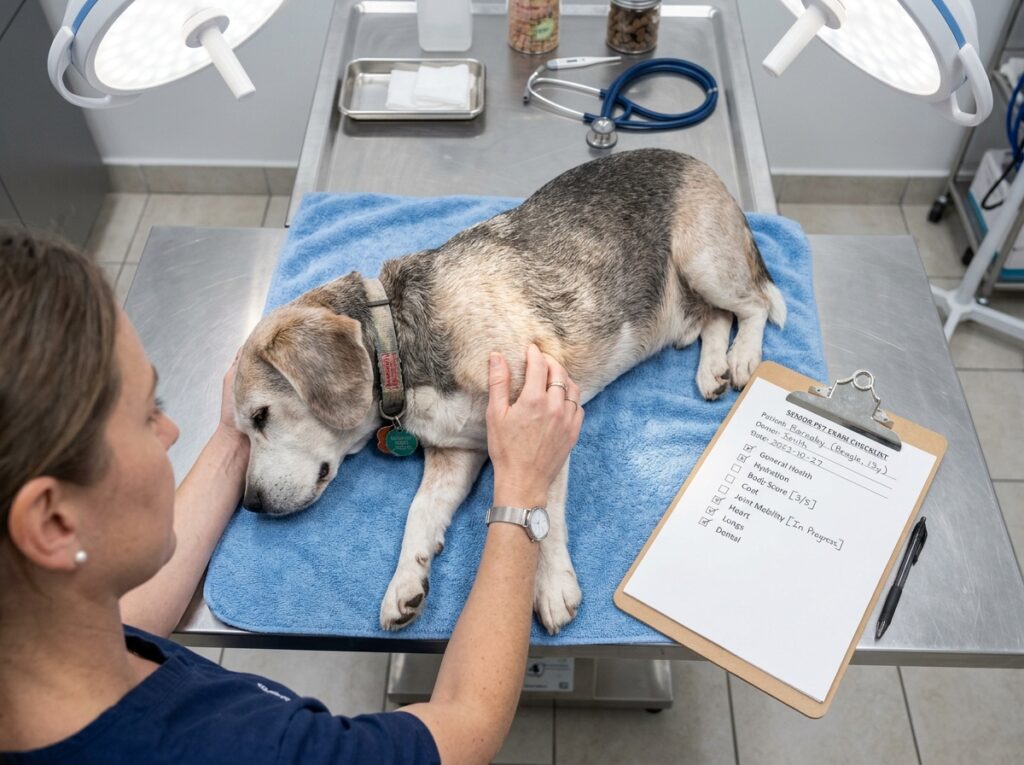
Receiving a CCD diagnosis doesn’t mean you should lose hope. Consistent, proper home care can significantly improve the remaining quality of life for your senior dog.
- Brain-Boosting Nutrition: Incorporate antioxidants (Vitamin E, C, Selenium) and Omega-3 fatty acids into their diet to support brain function. Prescription diets or supplements containing MCT (Medium-Chain Triglyceride) oil are also highly recommended to delay cognitive decline.
- Activities for Neuroplasticity: Engage their sense of smell through nose-work and take short, gentle walks to stimulate the brain. Introducing new puzzle toys is highly effective at inhibiting brain cell degeneration.
- Correcting Sleep Cycles: Ensure they get plenty of sunlight during the day to promote healthy hormone secretion. At night, keep the indoor lighting low to create a peaceful, stress-free sleeping environment.
Out of desperation, many owners turn to unverified home remedies found online. This is dangerous and can put fatal stress on a senior dog’s weakened liver and kidneys. As soon as you suspect symptoms of dog dementia, visit a clinic for an accurate stage diagnosis and establish a safe, systematic treatment plan with your veterinarian. Let’s protect our furry best friends with science and compassion, not guesswork.
“Dog Dementia Early Signs: Is Your Senior Dog Just Aging or Showing Symptoms?”에 대한 1개의 생각