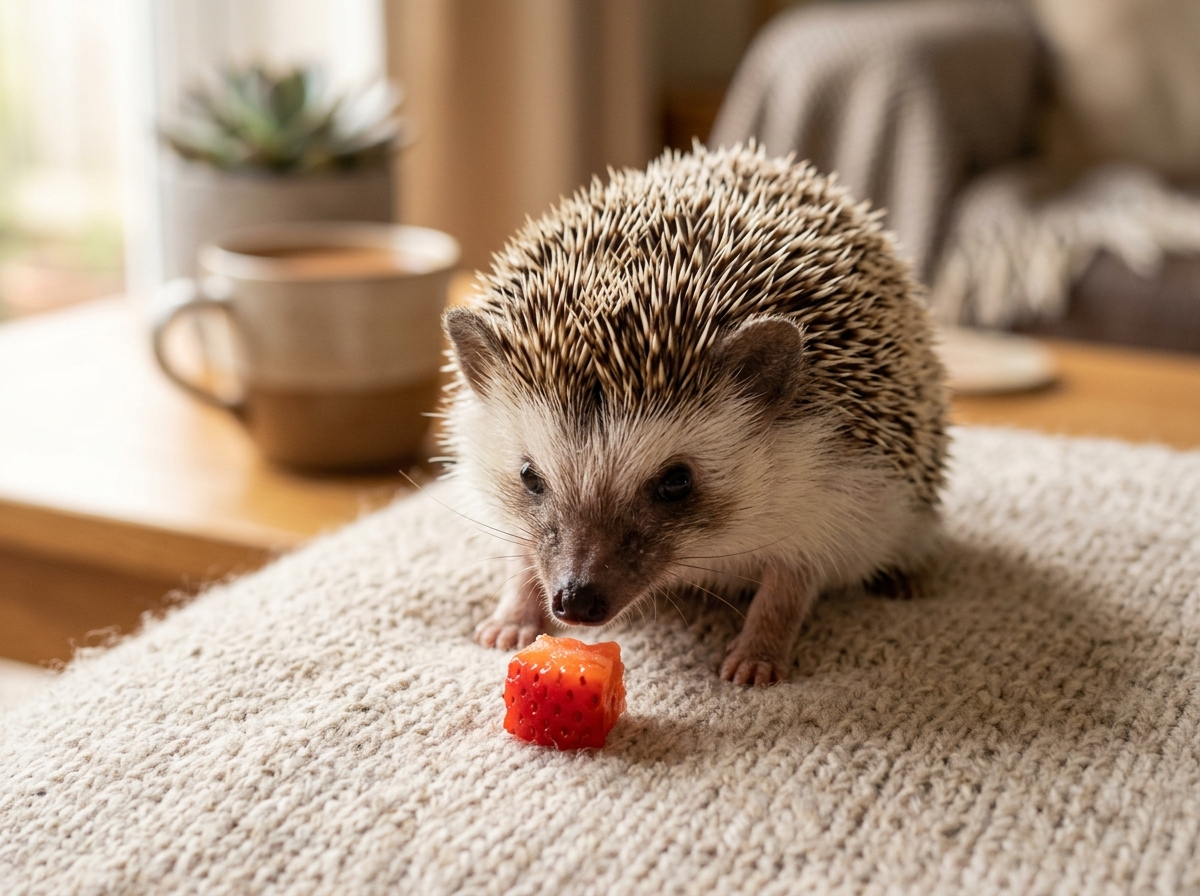
Observing a pet hedgehog suddenly contort its spine, produce copious amounts of thick white foam from its mouth, and systematically smear the lather across its quills can cause severe panic for first-time exotic pet owners. To an untrained eye, this sudden display often mimics neurological distress, seizures, or acute poisoning. However, this fascinating and bizarre behavior is a completely normal, instinctual physiological response known as hedgehog anting (scientifically documented as self-anointing). Here is a comprehensive veterinary examination of why hedgehogs foam at the mouth, the evolutionary theories behind this behavior, how to distinguish it from true medical emergencies, and proper management guidelines.
Table of Contents
What is Hedgehog Anting (Self-Anointing)?
The Definition of Self-Anointing
Hedgehog anting is a unique olfactory and behavioral reflex triggered when a hedgehog encounters a novel scent, taste, or substance in its environment. Rather than simply sniffing an unfamiliar object, the animal begins to lick or chew the source vigorously while stimulating its salivary glands to secrete a thick, frothy lather. Once enough foam accumulates in the buccal cavity, the hedgehog contorts its body into extreme angles—often stretching its long tongue backward across its dorsal quills and flanks—to apply the saliva directly onto its spines.
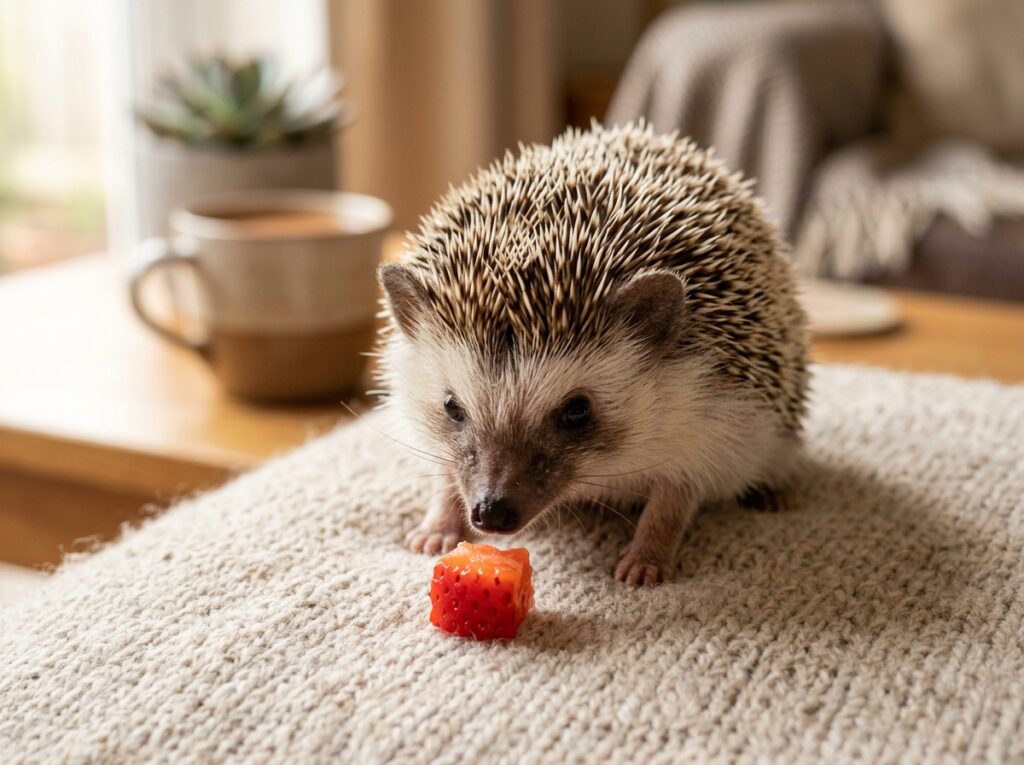
During this process, the animal may appear uncoordinated, fall over, or become entirely oblivious to external surroundings. Despite its alarming visual appearance, self-anointing is entirely benign and represents a natural sensory exploration adaptation shared by both domesticated African Pygmy hedgehogs (Atelerix albiventris) and wild European species (Erinaceus europaeus).
Two Core Reasons Why Self-Anointing Happens
While evolutionary biologists and exotic veterinary specialists continue to study the exact neurobiological mechanisms of self-anointing, several primary hypotheses explain why hedgehogs engage in this elaborate ritual:
1. Olfactory Camouflage (Scent Masking)
In wild habitats, hedgehogs face predation from terrestrial carnivores and birds of prey. When encountering an unfamiliar environmental aroma, applying that exact scent directly to their external armor serves as a form of chemical camouflage. By blending their natural body scent with the local environment, hedgehogs effectively mask their presence from potential predators.
2. Instinctive Defense Mechanism and Parasite Deterrence
Many botanists and zoologists note that hedgehogs frequently self-anoint after chewing on mildly toxic or irritating plants, skin secretions of toads, or acrid substances. Smearing these compounds onto their sharp quills creates an irritating, chemical-laden barrier that deters predators and helps ward off external skin parasites such as mites and ticks.
Self-Anointing vs. Medical Emergencies: Red Flag Analysis
Because excessive salivation (ptyalism) can also indicate severe illness, exotic pet owners must learn to differentiate between normal instinctual behavior and genuine pathology.
Characteristics of Normal Behavior
- Clear Environmental Trigger: The behavior begins immediately after investigating a specific stimulus, such as new kibble, a clean fleece blanket, scented human lotions, or leather.
- Self-Limiting Duration: The foaming and smearing sequence typically lasts between 5 and 15 minutes. Once concluded, the hedgehog shakes off and resumes normal foraging or running behaviors.
- Normal Clinical Signs: Alertness, normal appetite, and clear breathing remain completely unaffected before and after the event.
When to Seek Veterinary Care (Red Flags)
- Continuous Drooling: If drooling or foaming occurs continuously without any novel environmental trigger, examine the oral cavity. This can indicate severe periodontal disease, ulcerative stomatitis, or a foreign body (e.g., a kibble fragment) lodged between the molars.
- Neurological Symptoms: If salivation is accompanied by progressive ataxia, tremors, paralysis, or an inability to stand that persists beyond the foaming event, seek immediate evaluation for neurological conditions such as Wobbly Hedgehog Syndrome (WHS).
- Ingestion of Toxic Objects: If the hedgehog ingests household cleaning chemicals, essential oils, or toxic houseplants, hypersalivation acts as a toxicological stress response. Immediate transport to an exotic veterinary hospital is mandatory.
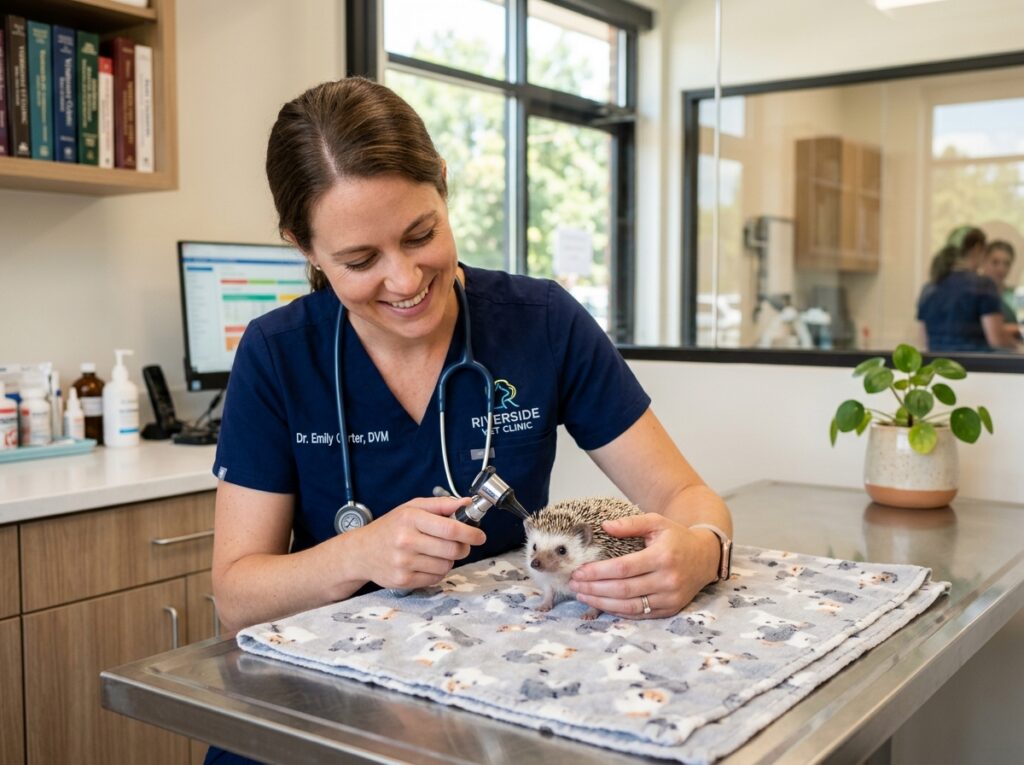
Proper Responses for Beginner Owners
When observing a pet hedgehog actively engaging in self-anointing, owners should adhere to appropriate handling protocols to prevent behavioral stress and dermatological complications.
1. No Artificial Restraint
Because self-anointing is an intense, deeply ingrained biological drive, forcibly interrupting the animal or attempting to hold it during the sequence induces acute psychological stress. Pet owners should observe quietly from a distance until the hedgehog completes the ritual autonomously.
2. Delay Bathing
Owners often feel compelled to bathe their pet immediately after its quills become coated in dried saliva. However, frequent water and shampoo bathing strips essential lipid layers from the hedgehog’s delicate skin, leading to severe dryness, dermatitis, and quill loss. Allow the saliva to dry naturally; gentle brushing with a soft, dry toothbrush is sufficient for surface cleaning.
3. Isolate Dangerous Substances
Because hedgehogs eagerly lick novel surfaces to initiate self-anointing, owners must maintain strict environmental safety during out-of-cage floor time. Keep floors entirely free of toxic residues, chemically treated fabrics, perfumes, and harmful household objects that could cause gastrointestinal or systemic toxicity if chewed.
Summary: Understanding Self-Anointing for a Healthy Pet Life
Hedgehog self-anointing is a fascinating physiological adaptation used for olfactory processing, scent camouflage, and natural defense. This special action is never a sign of sickness, but rather a healthy, perfectly natural instinct to adapt to unfamiliar environments. Instead of blindly trying to suppress the behavior, owners should observe what stimuli triggered the reaction while maintaining a safe, clean living space.
If foaming saliva is ever accompanied by severe lethargy, a loss of appetite, or a wobbly gait, do not hesitate to consult a specialized exotic animal veterinarian for an accurate checkup.