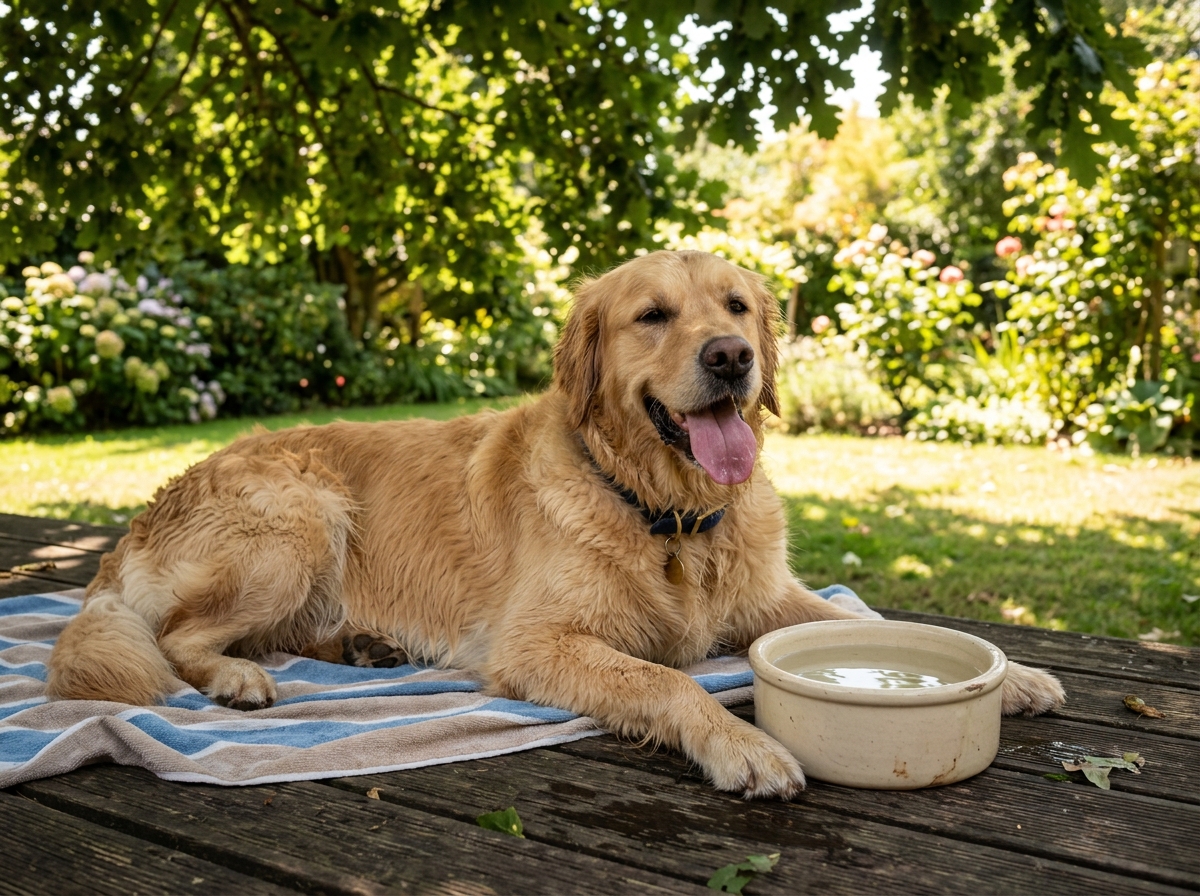
As the founder and CEO of Greenbone, I have spent the last 10 years dedicating my life to creating healthy pet treats and studying animal wellness. However, despite my professional experience, I once made a terrifying mistake with my own precious dog, Bokdol.
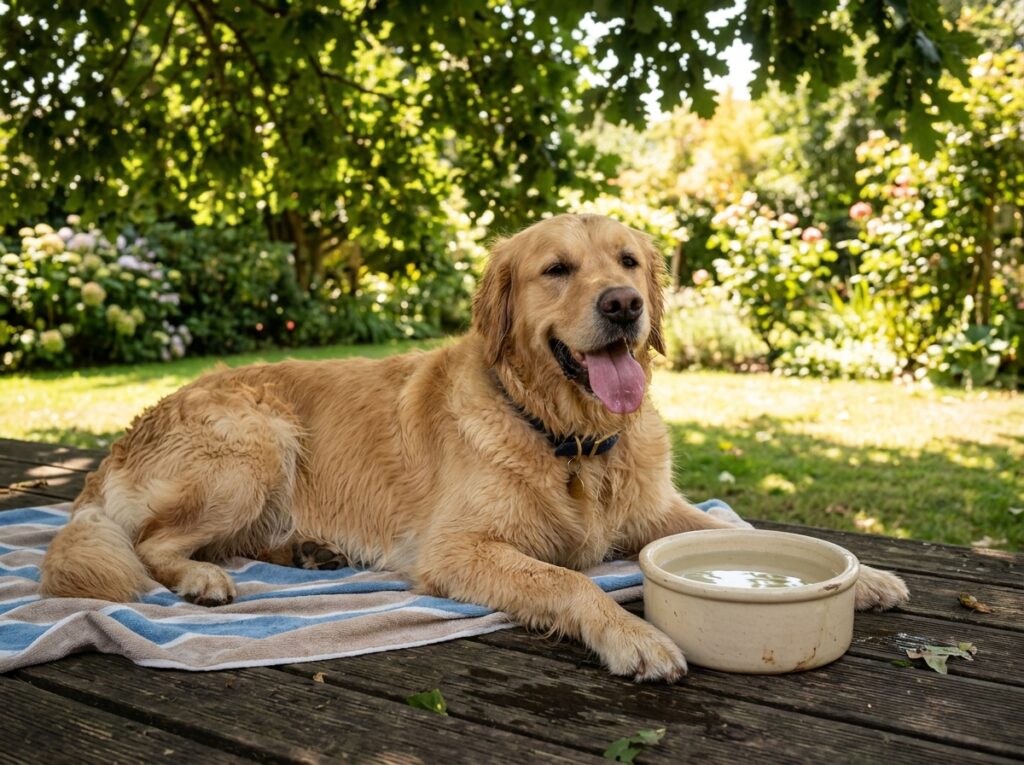
On a scorching summer day, Bokdol came back from a long walk panting heavily. Feeling incredibly sorry for him, I immediately gave him a large bowl of freezing cold water. Shortly after he gulped it down, my heart dropped as Bokdol began vomiting violently. Seeing a heavily panting dog makes us naturally want to offer something freezing cold. However, did you know that a pet owner’s good intentions can severely harm their furry friend?
In fact, giving ice water for dogs after a walk is a common mistake that can lead to severe health complications. Let me explain exactly why this happens and how to safely cool down your dog, based on my firsthand experience with Bokdol.
Table of Contents
The Physical Dangers of ice water for dogs after a walk
1. Gastrointestinal Shock and Risk of GDV
The most immediate reaction to rapid cold water intake is acute spasms in the digestive tract. When your dog’s core temperature is high, introducing freezing water causes the blood vessels in the stomach to constrict violently.
- Stomach Shock and Vomiting: Just like what happened to my Bokdol, the stomach muscles can go into shock, leading to severe stomachaches and acute indigestion.
- Gastric Dilatation-Volvulus (GDV): If large breeds, like Retrievers or Great Danes, gulp down cold water too fast, the risk multiplies. They swallow excessive air along with the water, causing the stomach to dilate with gas and twist. The biggest risk associated with ice water for dogs after a walk is this highly fatal condition.
- Medical Emergency: This twisting puts immense pressure on surrounding organs, creating a life-threatening emergency. If you want to learn more about supporting your dog’s digestion with safe dietary habits, exploring
healthy dog treatscan be a great next step.
2. Disruption of Body Temperature Regulation
You might think you are cooling them down, but cold water actually confuses the dog’s internal cooling system.
- Hypothalamus Confusion: When freezing water hits the mouth and esophagus, the brain’s hypothalamus mistakenly believes the body has already cooled down, abruptly stopping natural heat release.
- Trapped Heat: The cold temperature causes peripheral blood vessels in the skin and internal organs to constrict. This means ice water for dogs after a walk can actually trap extreme heat inside the body instead of releasing it.
- Worsening the Heat: While the dog’s exterior might feel cool, their vital internal temperature remains dangerously high, completely backfiring your cooling efforts.
3. Risk of Severe Dental Damage
Some owners float ice cubes in the water bowl to provide extra relief, which introduces another hidden danger to their oral health.
- Micro-cracks: As dogs vigorously chew on hard ice, the extreme density can cause invisible micro-cracks on the tooth enamel.
- Tooth Fractures: Molars are particularly vulnerable to breaking or chipping. Exposed nerves cause immense pain and require intensive dental intervention. You can read more about canine dental safety guidelines provided by the
ASPCA. - Oral Wounds: The sharp, broken edges of ice cubes can easily scratch and cut the gums or oral mucosa.
Safe Alternatives to ice water for dogs after a walk
To safely lower the body heat of our exhausted furry friends, the golden rule is “slow and steady.”
1. Proper Water Temperature and Feeding Method
Rather than providing ice water for dogs after a walk, opt for lukewarm or slightly cool water (around 15~20°C). To prevent them from chugging it all at once, offer just half a paper cup’s worth of water every 5 to 10 minutes in small increments.
2. Safe Body Cooling Techniques
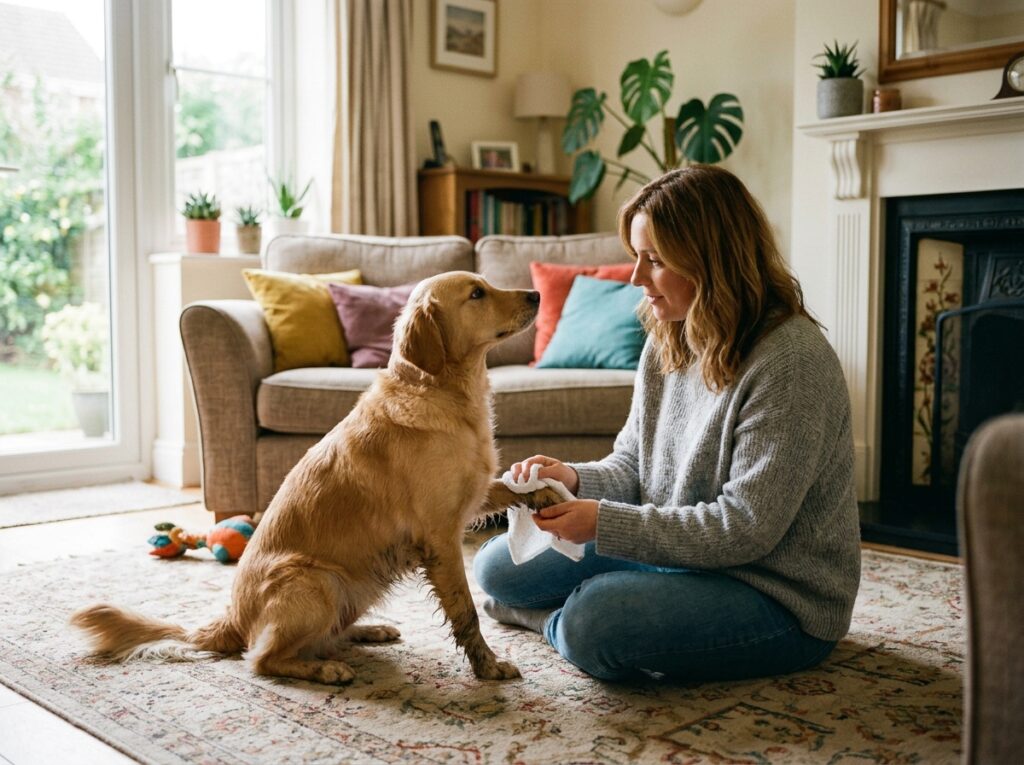
Cooling the exterior is just as important as hydration. Gently wipe heat-concentrated areas like the paw pads, belly, and armpits with a towel soaked in cool water. You can also lightly mist their coat with water and use a fan to create an evaporative cooling effect. This method is much safer and more effective.
3. Identifying Danger Signs and Taking Action
If your dog’s gums turn dark red or purple, if they drool excessively thick saliva, or if they show a sudden drop in energy, these are critical signs of heatstroke. Do not apply ice directly to their body, as it will cause further shock. Wrap them in a lukewarm, damp towel and rush to the vet immediately.
Conclusion: Why Avoiding ice water for dogs after a walk is Essential
It is completely natural for a dog to stick their tongue out and pant heavily after a summer walk; this is their physiological way of cooling down. Instead of rushing out of anxiety, giving them the time to naturally stabilize is the most loving approach.
I hope the scary lesson I learned with Bokdol, combined with my 10 years of dedication to pet health at Greenbone, serves as a helpful guide for all pet parents. Please remember these safe hydration rules so you and your furry companion can enjoy healthy, happy summer walks.
If your dog continues to vomit or act lethargic after a walk, do not wait—seek a veterinarian’s accurate diagnosis right away.
Q. What is your special secret to safely cooling down your dog after a hot summer walk? Share your unique tips in the comments below!