
As someone who has dedicated the last decade to running a pet food brand, I’ve had the privilege of connecting with countless pet parents. Over the years, I’ve comforted many heartbroken cat owners who were deeply concerned about their senior felines hiding away in their final days. My journey has given me a deep appreciation for the profound bond we share with our animal companions and the unique questions that arise throughout their lives. One question that often surfaces, stirring both curiosity and concern, is whether cats truly hide to die. This belief, deeply ingrained in popular culture, can be a source of immense anxiety for cat owners. Let’s explore the truth behind this myth and understand the complex reality of feline end-of-life behaviors.
Table of Contents
The Truth: Do Cats Hide to Die?
The notion that cats intentionally seek solitude to die, away from their beloved humans, is a widespread belief. While it’s true that cats often hide when they are unwell or in pain, this behavior isn’t necessarily a conscious decision to die alone. Instead, it’s an instinctual response rooted in their wild ancestry. In nature, a sick or injured animal is vulnerable, and hiding provides a sense of security from predators. Domesticated cats retain this instinct, seeking out quiet, secluded spots when they feel weak or uncomfortable. It’s a survival mechanism, not a deliberate attempt to sever ties. Understanding this distinction can help us interpret their actions with greater empathy and accuracy.
Instinctual Hiding vs. Intentional Seclusion
When a cat hides, it’s typically a sign that something is amiss. This could range from a mild illness to severe pain or fear. They may retreat under furniture, into closets, or other hard-to-reach places. For a cat nearing the end of their life, this instinct can become more pronounced as their physical discomfort increases. Their primary goal is often to find a safe, undisturbed place to rest, conserve energy, and potentially recover, not necessarily to pass away alone. Observing this behavior should prompt immediate attention and a visit to the veterinarian rather than assuming it’s a farewell gesture.

Understanding Feline End-of-Life Behaviors
Recognizing the signs that your cat may be nearing the end of their life can be incredibly difficult, but it’s important for providing them with comfort and dignity. These behaviors are often subtle and can vary greatly among individual cats. It’s important to differentiate between a cat just feeling unwell and one experiencing the final stages of life. A veterinarian can provide the most accurate assessment and guidance during this sensitive time.
Common Signs a Cat May Be Nearing the End
While every cat’s experience is unique, there are some common indicators that your feline friend might be approaching the end of their life. These signs are generally a result of deteriorating health and organ function.
Behavioral Changes
- Withdrawal or Increased Hiding: As discussed, this is a common instinctual response to discomfort.
- Loss of Interest: Decreased enthusiasm for play, grooming, or interaction with family members.
- Changes in Litter Box Habits: Accidents outside the litter box due to weakness, confusion, or inability to reach it in time.
- Restlessness or Agitation: Some cats may become restless, pacing, or vocalizing more frequently.
Physical Symptoms
- Decreased Appetite and Thirst: A significant reduction in food and water intake is often one of the clearest signs.
- Weight Loss and Muscle Wasting: Noticeable loss of body mass as the cat’s metabolism slows down.
- Changes in Breathing: Labored, shallow, or irregular breathing.
- Decreased Body Temperature: Their paws and ears may feel cooler to the touch.
- Weakness and Lethargy: Extreme tiredness, difficulty moving, or inability to stand.
Supporting Your Cat During Their Final Days
The most important thing you can do for your beloved cat is to ensure their comfort and minimize their pain. This period is about quality of life.
Creating a Comfortable Environment
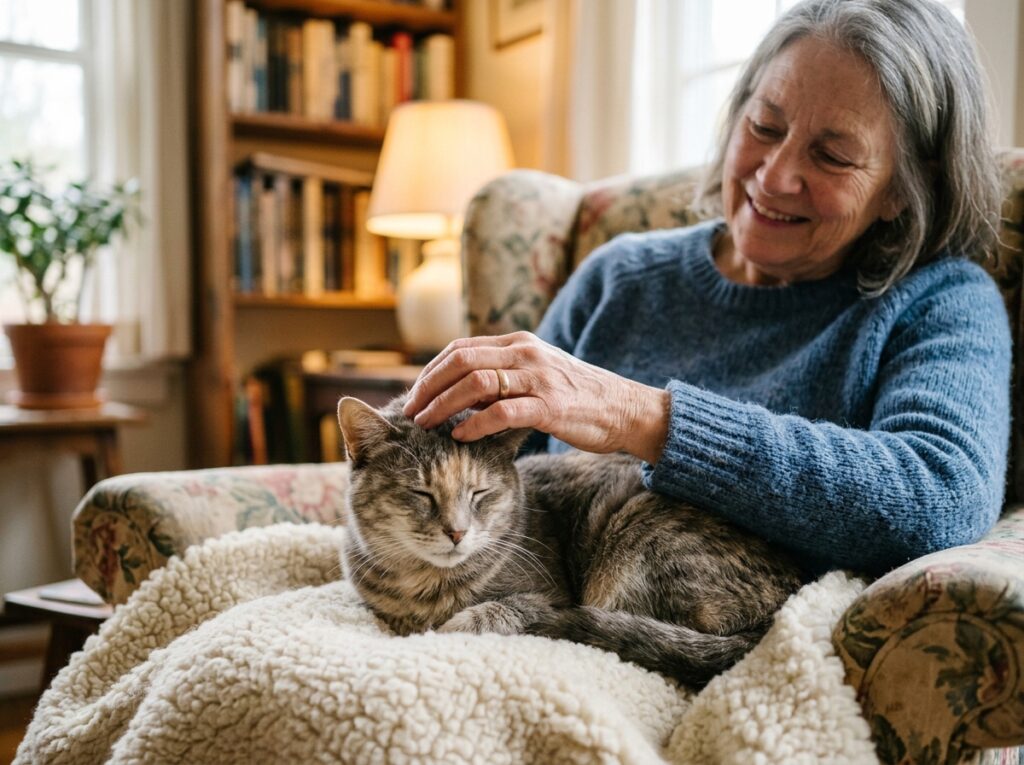
Provide a warm, soft, and easily accessible resting spot in a quiet area of your home. Ensure food and water are within easy reach. Keep their litter box clean and close by. Gentle petting and soft vocalizations can be comforting, but respect their need for space if they choose to withdraw. A familiar and calm environment can make a significant difference.
When to Seek Veterinary Care
Regular communication with your veterinarian is vital. They can help manage pain, provide palliative care, and guide you through difficult decisions, including euthanasia if it becomes the most humane option. Don’t hesitate to seek their advice regarding your cat’s quality of life and what to expect. Finding supportive resources during this time can greatly assist pet parents.
Coping with Grief: A Guide for Pet Parents
Losing a pet is a profound experience, and it’s perfectly normal to feel immense grief. Allow yourself to mourn. There is no right or wrong way to grieve, and everyone processes loss differently. Seek support from friends, family, or pet bereavement groups. Remembering the joy and love your cat brought into your life can be a source of comfort.
Exploring a holistic approach to pet health can also be beneficial in understanding how to support your pet throughout their life, from kittenhood to their senior years.