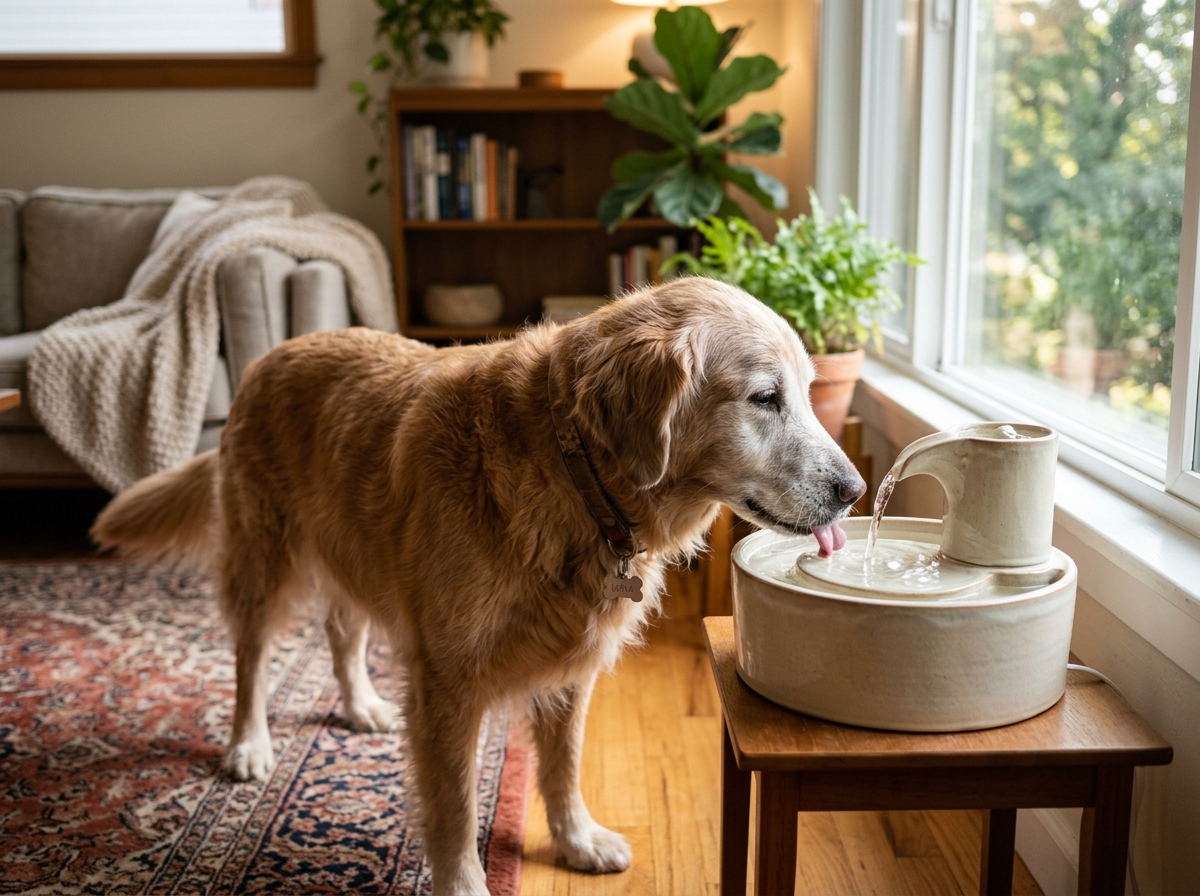
When I was first formulating the recipes for “The Senior” treat line at Greenbone, carefully sourcing ingredients like premium beef lung, I spent countless hours observing the daily habits of older pets. It was during this time that I noticed my own senior dog was drinking noticeably less water, and his energy levels were steadily dropping. I quickly learned that while high-quality nutrition is vital, absolutely nothing is more critical to longevity than providing clean water for pets. A mammal’s body is made up of 60-70% water, and even a minor 10% drop in hydration can trigger severe health crises. It broke my heart to realize that my dog’s sudden lethargy was simply a lack of hydration. Especially for animals like cats, whose desert origins make their natural thirst drive incredibly low, ensuring they have constant access to clean water for pets is the ultimate key to extending their lifespan. Let’s dive into why closely monitoring that water bowl is the most important thing you’ll do for your furry family member today.
Table of Contents
The Lifesaving Link Between Hydration and Disease Prevention
Guarding Against Kidney Disease and Urinary Stones
Adequate hydration naturally dilutes your pet’s urine, lowering the concentration of stone-forming minerals like calcium oxalate and struvite. This directly decreases the risk of painful urinary stones. When it comes to preventing chronic kidney disease (CKD)—a major threat that can shorten the lives of older animals—providing clean water for pets helps efficiently flush out accumulated toxins like blood urea nitrogen (BUN) and creatinine. Furthermore, increased water intake means more frequent urination. This prevents urine from sitting too long in the body, effectively stopping bladder bacterial growth and secondary cystitis.
Boosting Immunity and Flushing Toxins in Senior Pets
Water is the ultimate vehicle for transporting essential nutrients to cells and filtering out metabolic waste through the kidneys. As our pets age, the thirst receptors in their brains become less sensitive, often leaving them in a state of chronic, mild dehydration. This weakens their cellular function and overall immunity. However, a well-hydrated body boasts a much higher resistance to infections. If your pet ever requires unavoidable medication, having constant access to clean water for pets drastically reduces the toxic strain on their liver and kidneys.
Tap, Bottled, or Filtered: Which is Best?
You might wonder what type of water is best for your furry friend. While tap water is generally treated and safe, it can sometimes carry a faint chlorine scent or contain impurities from old plumbing pipes. Since pets have incredibly sensitive noses, this slight odor might make them refuse to drink altogether. On the other hand, mineral water (hard water) is perfectly fine for healthy animals but can pose a long-term risk for those prone to stones due to high calcium and magnesium levels.
Expert Tip: If you are concerned about urinary issues, veterinarians highly recommend giving your pets purified water without excessive minerals or soft water specifically designed for animals. Always ensure that the clean water for pets you provide is fresh, safe, and appealing. For more comprehensive guidelines on pet safety and health standards, you can always check the official resources from the [🔗ASPCA].
Tips to Increase Intake and Manage Water Fountains
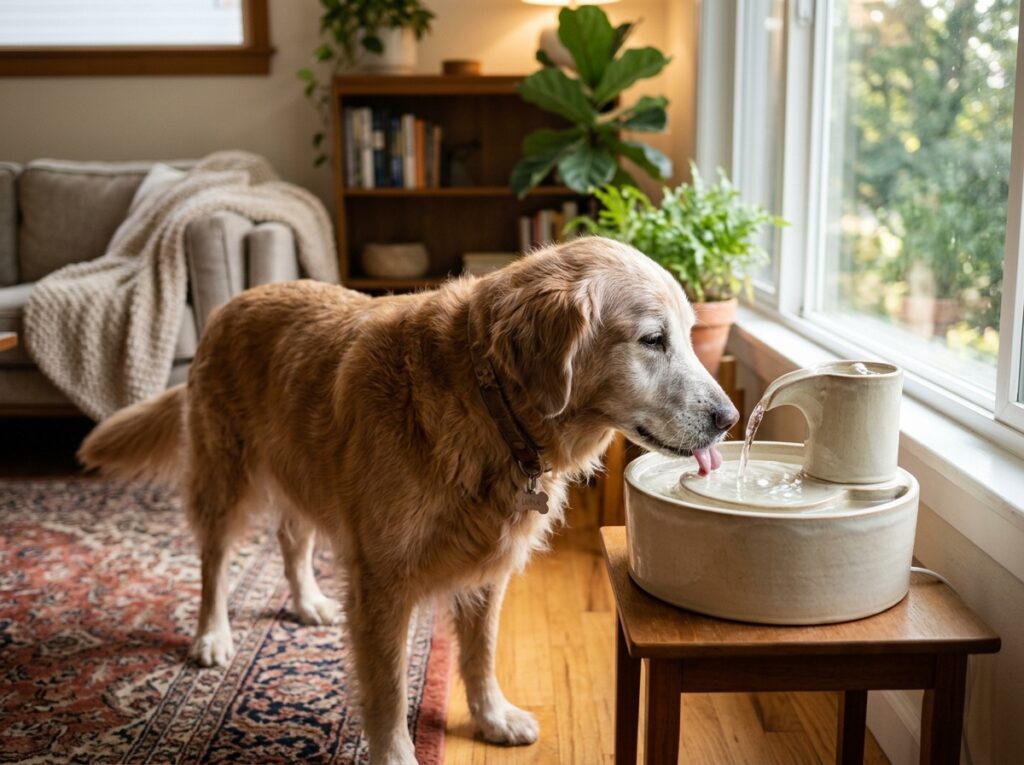
Cats instinctively view running, bubbling water as much fresher than stagnant water in a bowl. Therefore, using a dedicated pet water fountain is a highly effective way to encourage them to drink. However, meticulous maintenance is vital. Biofilms (that slippery bacterial layer) can easily form inside bowls and fountains, causing gastrointestinal issues. Wash the fountain thoroughly every 1-2 days, and replace the filters exactly according to the manufacturer’s instructions (usually every 2-4 weeks) to guarantee your pet is always getting clean water for pets.
Effective Ways to Boost Hydration:
- Distribute Water Bowls: Place multiple bowls in quiet areas throughout your home, far away from their litter boxes or main food stations. If you need a checklist for structuring your home environment, feel free to revisit my previous
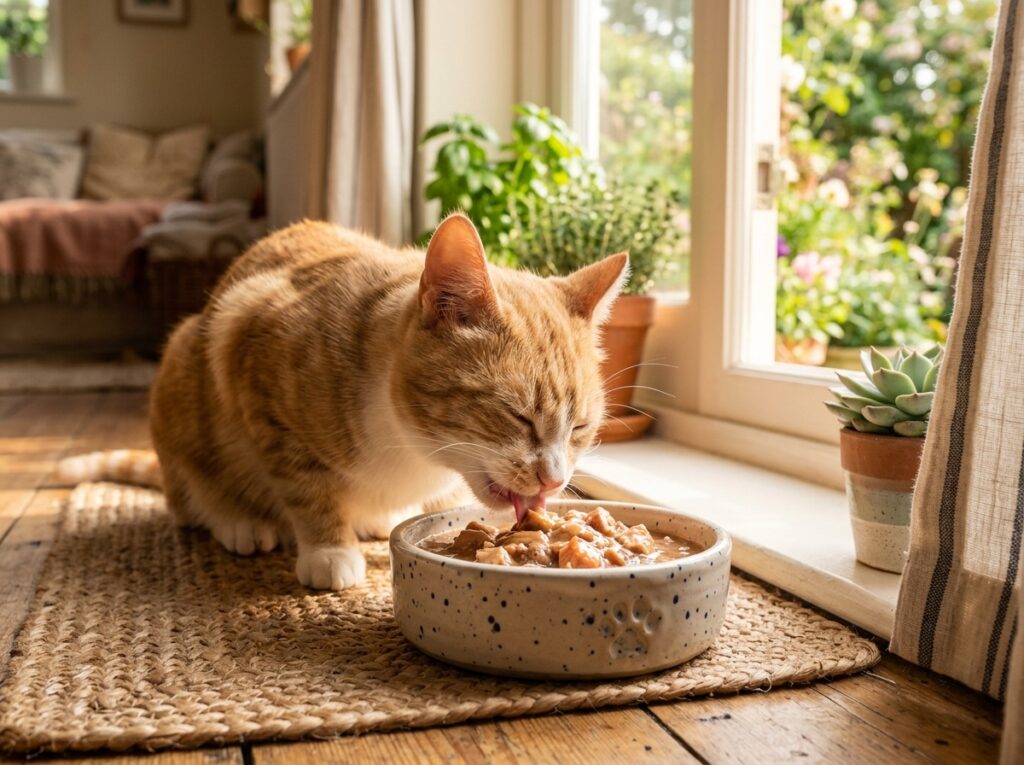
[🔗guide on pet daily routines]for more actionable tips. - Incorporate Wet Food: Wet food contains 70-80% moisture and is a scientifically proven, excellent method to boost their daily fluid intake naturally.
Extending Your Pet’s Healthspan with Proper Hydration Habits
A normal daily water intake for dogs and cats is roughly 50-60ml per kilogram of body weight. Of course, this fluctuates based on whether they eat a dry or wet diet, their daily activity level, and the surrounding temperature. Emptying their bowls daily and refilling them allows you to monitor their exact intake changes, which is the very first step in managing their kidney and urinary health.
🚨 Warning: If your pet suddenly drinks an excessive amount of water (polydipsia) or shows dramatic changes in urination volume and frequency, it could be a sign of underlying conditions like diabetes, kidney failure, or Cushing’s disease. Do not rely solely on internet searches; please visit your vet immediately for an accurate diagnosis.
Providing clean water for pets is the easiest, yet most profound way to show your love and protect their future. What kind of bowls and water does your pet prefer? Do you have any special secrets for getting them to drink more? Share your unique stories and tips in the comments below!