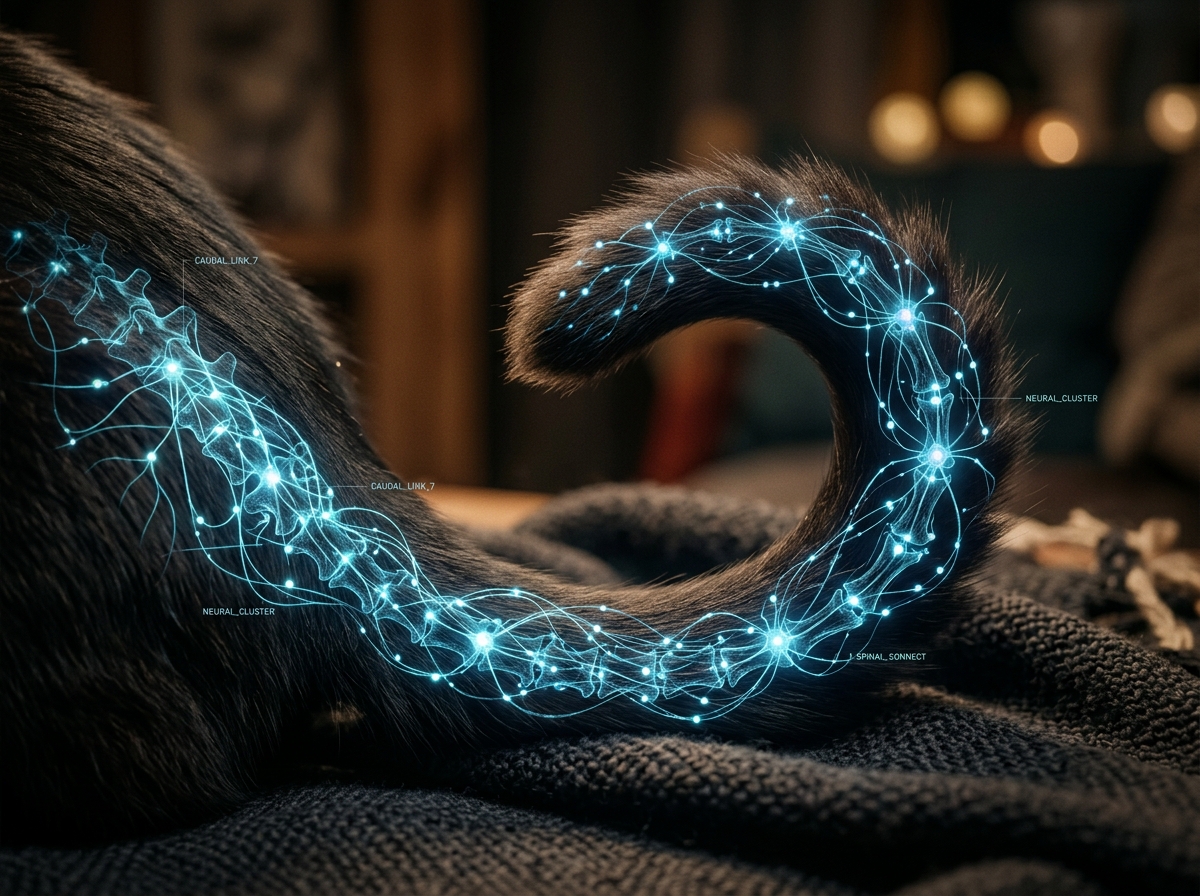
Picture a quiet afternoon in the living room. The sunlight hits the floor, and a feline predator is meticulously observing a dust mote. Suddenly, the tail stiffens, the fur along the spine erupts into a bristled ridge, and a once-relaxed companion transforms into a defensive statuette. This isn’t just random twitching; it is a direct broadcast from the feline brain. While conducting taste tests for the Good Boy product line at the Greenbone manufacturing facility, observing these rapid shifts in feline body language became crucial to understanding whether a new recipe brought joy or hesitation to our furry testers. Decoding cat tail language is like reading a secret physiological map—one that reveals exactly what they are experiencing at any given millisecond.
Table of Contents
The Neurological Connection Behind Feline Tail Movements
A cat’s tail is far more than a simple appendage used for balance; it is a transparent window into their emotional state. Understanding the neurological framework explains why their tail movements are such accurate indicators of mood.
Autonomic Nervous System and Muscle Reflexes
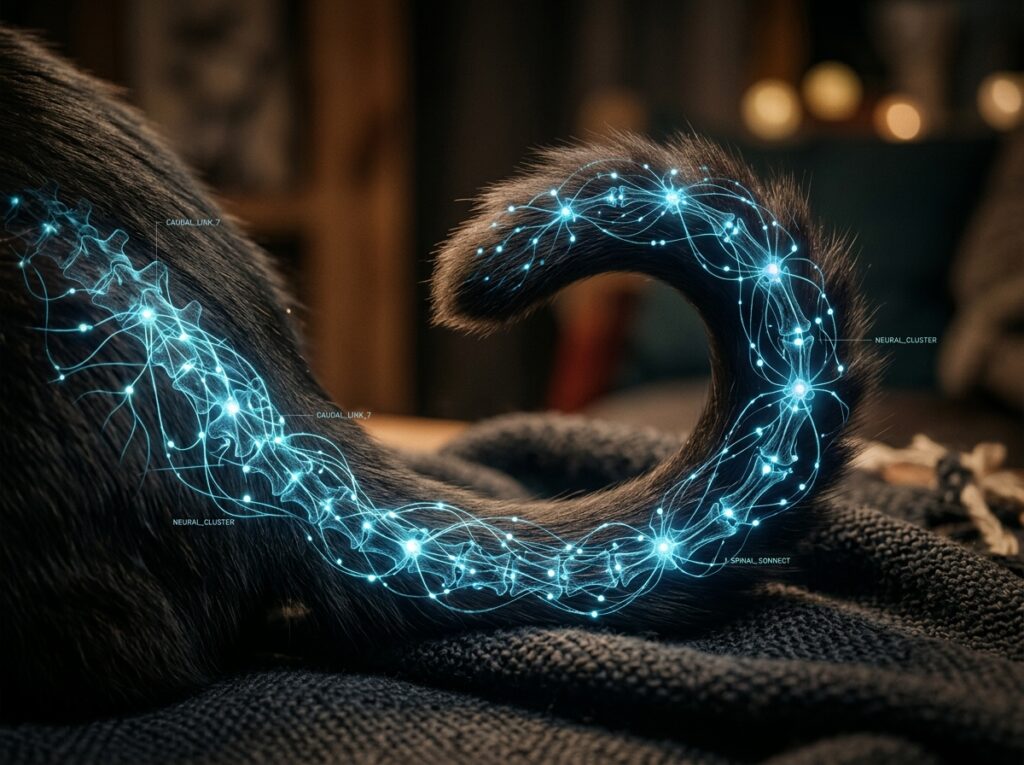
The tail is an extension of the spine, consisting of coccygeal vertebrae surrounded by over 20 distinct muscles and a rich network of nerves. This complex anatomical structure allows for incredibly precise and delicate movements.
When a cat experiences strong emotions—whether it be excitement, fear, or joy—the autonomic nervous system immediately kicks in, activating the sympathetic and parasympathetic pathways. These signals are instantly transmitted to the arrector pili muscles (which cause the fur to stand up) and the coccygeal muscles.
Because these reactions are an involuntary, physiological response driven by the nervous system, cats cannot “fake” them. Therefore, observing these movements provides the most honest metric of a feline’s true feelings.
Why We Should Prioritize Non-Verbal Signals
Humans naturally gravitate toward vocalizations like meows, but in reality, cats place a much higher value on non-verbal communication.
- The Dominance of Body Language: Driven by wild instincts, cats prioritize subtle physical cues over vocal sounds for communication.
- Preventing Misunderstandings: Vocal signals are often learned and heavily modified through interactions with humans. In contrast, the position and motion of the tail preserve their inherent behavioral traits without distortion.
- Reducing Stress: Accurately interpreting your cat’s tail signals helps you avoid forcing unwanted physical contact or overstimulation. This is a vital key to preventing chronic stress, hypersensitivity, and behavioral issues like inappropriate urination outside the litter box.
3 Common Cat Tail Shapes and Their Psychological Meanings
What exactly do the everyday tail positions we see mean? Let’s break down three fundamental signals based on reliable animal behavior guidelines from organizations like the ASPCA.
1. The Straight-Up Quiver: Pure Affection and Greeting
If your feline friend approaches you with a stiff, upright tail when you return home, you are experiencing one of the greatest joys of pet parenthood.
The “tail-up” posture indicates intimacy and a positive willingness to approach. If the tip of the tail gives a microscopic quiver, it signifies extreme excitement and happy anticipation. This behavior actually originates from kittenhood when they would present their hindquarters to their mother. It is a warm, affectionate signal where they attempt to share their scent via glands near the base of the tail. (Note: Watch closely to ensure this isn’t urine spraying, which involves a similar vibrating motion but serves as territorial marking!)
2. The Puffed-Up Bristle or Tucked Tail: Fear and Defensiveness
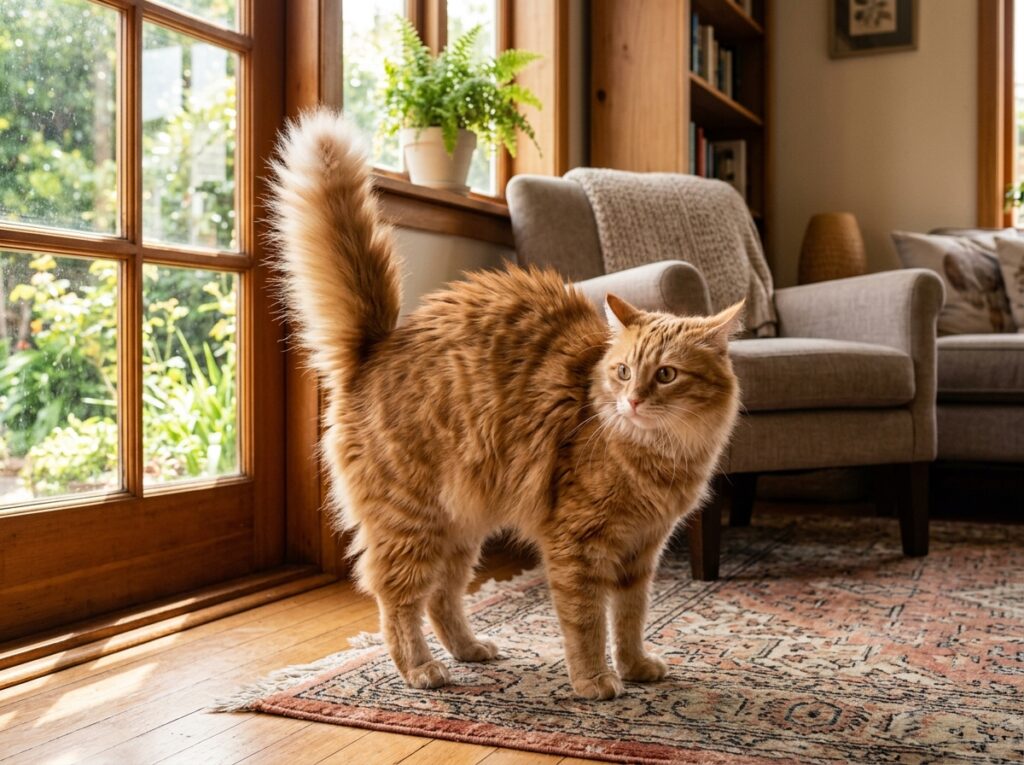
You will often see a cat’s tail expand like a thick bottlebrush when a vacuum cleaner turns on or a stranger enters the home.
This is known as piloerection, a sympathetic nervous system reflex that makes the fur stand on end. The cat is attempting to appear larger to protect itself. If the back is arched and the fur is puffed, they perceive a direct threat. Conversely, if the tail is tucked tightly between the hind legs, the cat is severely terrified and feeling deeply vulnerable. In these moments, attempting to pet them out of pity can trigger an aggressive, fearful reaction. Give them space immediately.
3. The Rapid Swish or Thump: Overstimulation and Discomfort
Dogs wag their tails vigorously when they are thrilled, but cats are the exact opposite.
When a cat quickly swishes its tail from side to side or thumps it audibly against the floor, it is absolutely not an expression of joy. It is a clear declaration of internal conflict or sensory overload. If this happens while you are gently stroking them, it is their polite (but firm) request to stop the physical contact immediately. Ignoring this warning will likely result in a swift scratch or bite.
Smart Solutions for Different Feline Tail Signals
Now that you can read your companion’s true feelings, you need the wisdom to react appropriately.
- Responding to Positive Signals (Up/Quivering): Happily welcome their approach! Gently scratching their cheeks or behind their ears will deepen your bond immensely.
- Responding to Negative Signals (Puffed/Tucked/Thumping): Avoid direct eye contact, blink slowly, and create physical distance. The best approach is to completely eliminate the stimulus and withhold physical affection until they calm down on their own terms.
- When to Observe Closely: If your cat is excessively swishing its tail without any external triggers, or seems distressed and agitated by its own tail, it requires careful attention. This may not be an emotional shift but rather a sign of physical discomfort or a medical issue. Seeking advice from a veterinary professional is highly recommended.
What special signals does your companion send with their tail when they are ecstatic or annoyed? If you have any funny episodes regarding your own cat’s tail language, feel free to share them in the comments below!