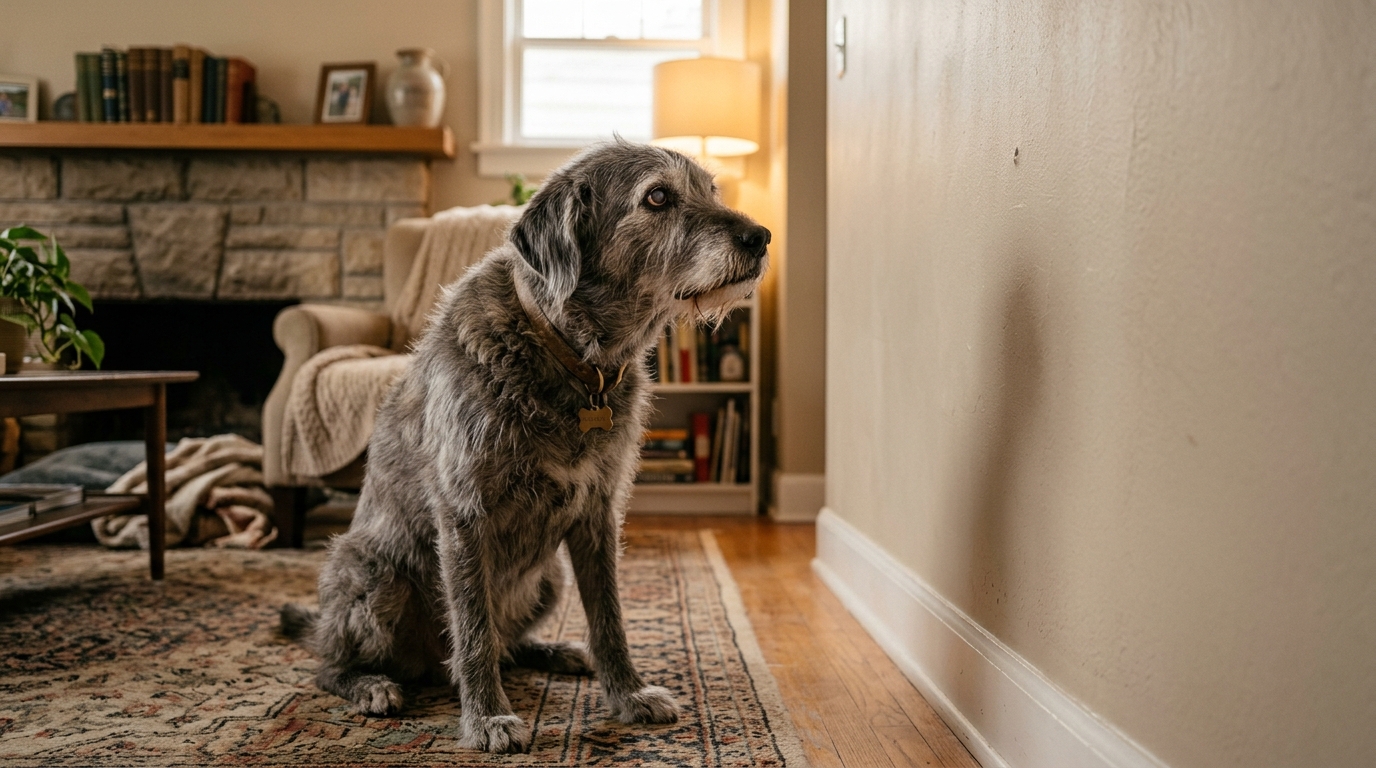
Did you know that up to 35% of dogs over the age of 8 suffer from Canine Cognitive Dysfunction Syndrome (CCDS), yet countless pet parents mistakenly dismiss the early warning signs as “just getting old”? When a senior dog starts staring blankly at walls or pacing anxiously through the middle of the night, a silent battle is occurring inside their brain. Beta-amyloid proteins are accumulating, mirroring the devastating effects of human Alzheimer’s disease. Recently, my lifelong companion, Bokdol, began exhibiting unusual behaviors. At first, I thought he was simply getting a bit grumpy in his golden years, but his escalating anxiety prompted an urgent vet visit, which opened my eyes to the heartbreaking reality of dog dementia.
Because missing the “golden time” for treatment can drastically accelerate cognitive decline, understanding the true nature of this condition is crucial. Let’s clear up the most common misconceptions about canine cognitive dysfunction and explore actionable ways to protect your furry family member.
Table of Contents
2 Common Misconceptions About Canine Dementia
Myth 1: They are just staring at the wall because they are tired
Have you ever caught your dog staring aimlessly at a wall or getting “stuck” in corners, unable to back out? This is not merely a drop in physical stamina; it is a primary symptom of canine cognitive dysfunction.
As brain cells undergo damage and neurotransmitters decrease, dogs lose their spatial awareness. Writing this off as a normal part of aging allows the brain degeneration to progress rapidly. Early observation and immediate intervention are absolutely critical when you notice these spatial disorientations.
Myth 2: Night barking is just seeking attention or acting spoiled
Many owners mistakenly believe that a senior dog staying awake and barking at night is just them acting out or being overly demanding. In reality, this is an expression of deep anxiety and insomnia caused by a disrupted sleep-wake cycle.
Dementia damages the brain’s internal biological clock, causing a severe imbalance in melatonin secretion. Their days and nights become entirely reversed. Scolding or reprimanding them will only amplify their anxiety and worsen the symptoms. Instead of reacting emotionally, try playing warm, instrumental relaxation music for pets in the background to help soothe their nerves and stabilize their environment.
The Science Behind Canine Cognitive Dysfunction (CCDS)
What exactly is happening inside your dog’s mind? To ease your worries and equip you with facts, let’s look at the medical causes and how veterinarians diagnose this condition.
Brain Nerve Degeneration and Causes
Dog dementia is a neurodegenerative disease characterized by the accumulation of a protein called beta-amyloid in the brain, leading to brain atrophy. Its pathology is remarkably similar to Alzheimer’s in humans.
Veterinarians conduct thorough examinations—including blood tests, X-rays, and neurological evaluations—often utilizing brain MRIs if necessary. This meticulous process ensures that other internal issues, like severe arthritis or sensory loss, are ruled out before officially diagnosing CCDS.
Normal Aging vs. Dementia Symptoms
Differentiating between normal aging and early-stage dementia can be tricky, but veterinary clinics rely on the DISHAA assessment tool. This evaluates Disorientation, Interactions, Sleep-wake cycles, House-soiling, Activity levels, and Anxiety.
While normal aging might involve slower reaction times due to failing vision or hearing, dementia involves distinct cognitive errors—like completely forgetting where to pee or failing to recognize their lifelong owners. If sudden potty accidents increase, it could also point to cystitis or kidney issues, making a precise diagnosis from organizations like the American Kennel Club (AKC) or your local vet highly recommended.

Proper Home Care Guide to Slow Dementia Progression
Unfortunately, there is no absolute cure for CCDS. However, with meticulous home care, you can significantly slow its progression and vastly improve your dog’s quality of life. Alongside prescribed medications, supplementing their diet with antioxidants like Omega-3, SAMe, and MCT oil can make a tremendous difference.
- Activate Neural Networks: Consistently provide new olfactory stimulation through nose-work toys or frequent, short walks. Using soft, highly aromatic treats like oven-baked chicken carrot or duck beet can provide excellent, easy-to-digest motivation for these brain games.
- Maintain Familiar Environments: Keep your furniture layout exactly as it is to prevent unnecessary confusion and stress for your indoor dog.
- Create Safe Indoor Spaces: Prevent accidental injuries by laying down anti-slip mats and adding soft cushions to sharp furniture corners.
- Prioritize Early Diagnosis: Above all, if you notice any unusual behavioral shifts, do not hesitate to visit your vet for a customized treatment plan.
Has your beloved senior dog been exhibiting any unfamiliar behaviors lately? Share your own senior dog care tips, experiences, or concerns in the comments below—let’s support each other through this journey!