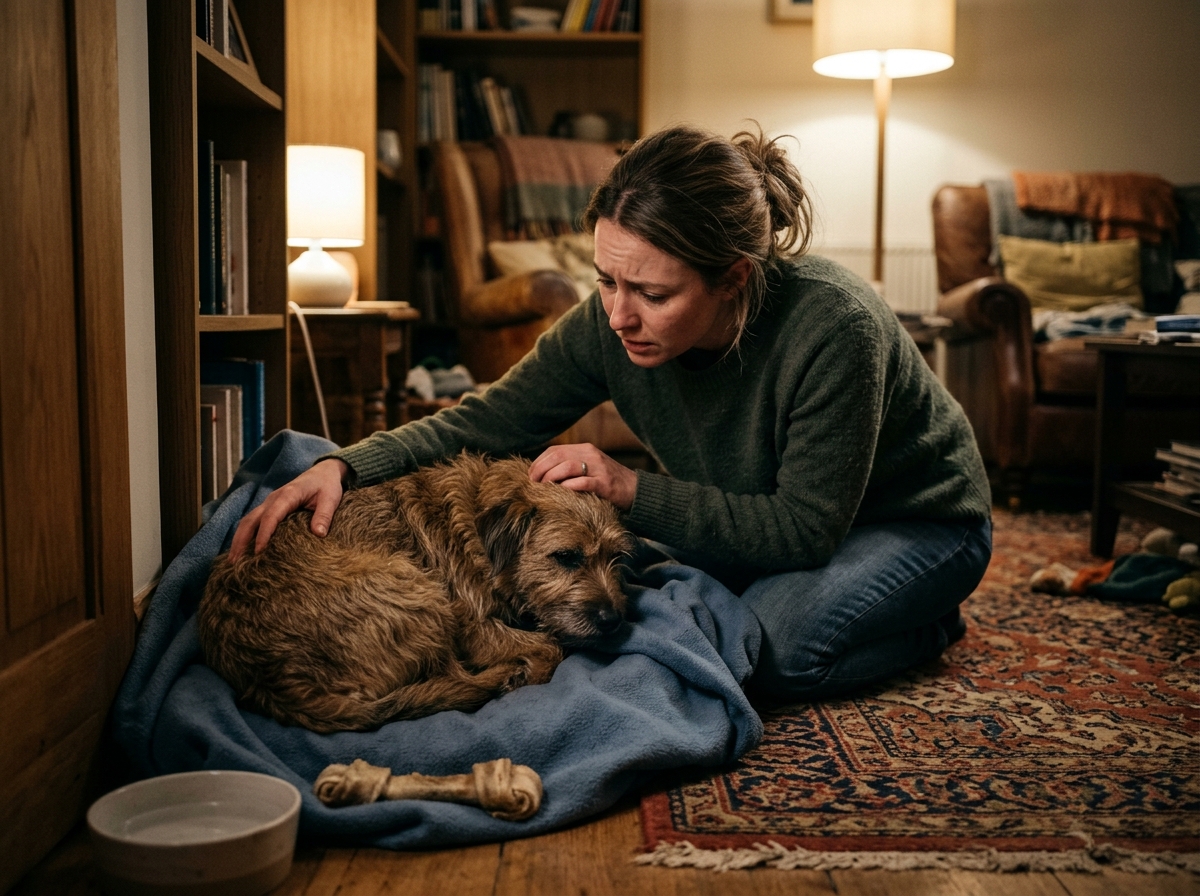
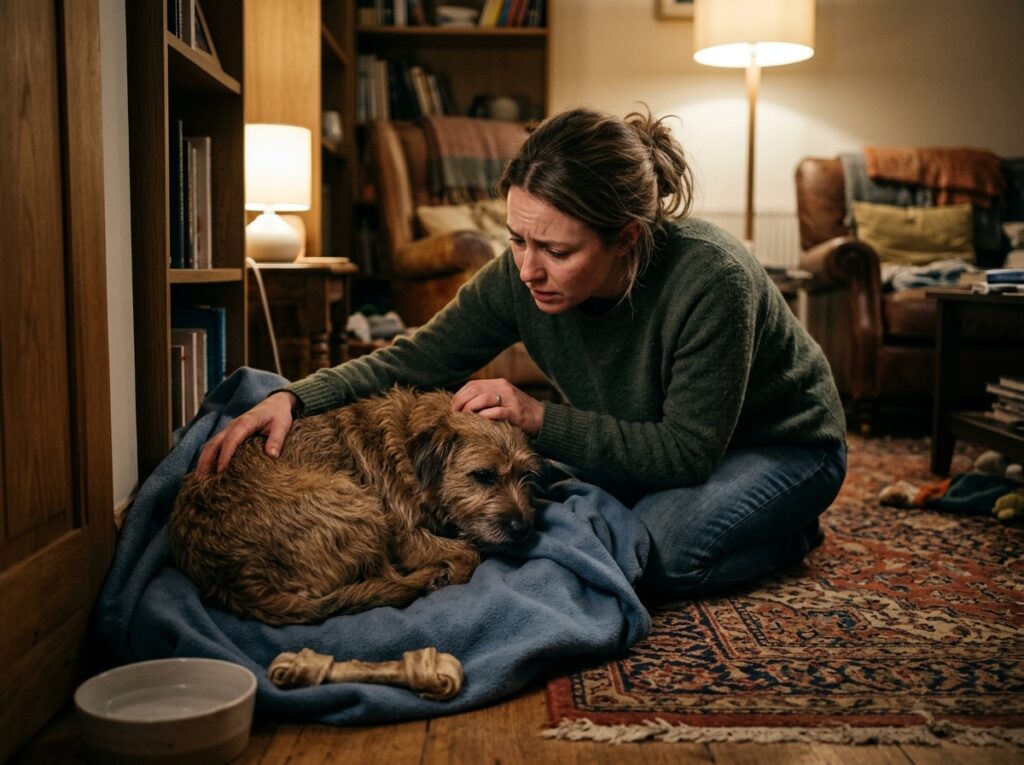
Could a single piece of dropped pork belly turn a joyful family dinner into a terrifying race against the clock at the emergency vet? We often think that slipping our furry companions ‘just one little bite’ of rich human food is a harmless treat. However, for many dogs, this innocent gesture can trigger a life-threatening cascade within a matter of hours. I learned this the hard way when a piece of roasted meat fell on the floor during dinner. I brushed it off as a special treat for my dog, but the next morning, reality hit hard. Instead of greeting me with a wagging tail for breakfast, my dog was shivering in the corner, repeatedly vomiting yellow bile, and refusing to let me even touch their stomach.
The immediate diagnosis at the clinic was acute dog pancreatitis. Without the veterinarian’s swift and accurate intervention, the outcome could have been devastating. If you are a pet parent panicking over a suddenly sick pet, time is of the essence. I have compiled my personal experience along with essential veterinary facts to help you prepare for, and hopefully prevent, this terrifying emergency.
Table of Contents
Why Is My Dog Vomiting Yellow Bile? Understanding Canine Pancreatitis
Canine pancreatitis occurs when digestive enzymes (like trypsin) activate prematurely within the pancreas instead of the small intestine. This abnormal activation causes these enzymes to start digesting the pancreas itself, leading to severe inflammation that can quickly spread to surrounding organs.
If your dog is not on an empty stomach but is continuously vomiting yellow bile, you need to pay close attention. Another glaring red flag is the “prayer position”—where a dog rests its front legs and chest on the floor while keeping its rear end elevated in the air. This posture is a clear indicator of severe abdominal pain. If you witness these symptoms, acute pancreatic inflammation should be strongly suspected, and a trip to the vet is non-negotiable.
The Primary Culprit: High-Fat Foods Triggering Acute Pancreatitis
The human foods we find most delicious are often the most hazardous for our pets. Fatty meats like pork belly, fried chicken, pig’s trotters, and butter can overwhelm a dog’s digestive system. Even a single instance of consuming high-fat foods can hyper-stimulate the pancreatic cells, directly causing acute dog pancreatitis.
- Strictly Limit Human Food: Even if you wash off the seasoning, the inherent fat content in meat can be too much for a dog’s system to handle. Be sure to read up on toxic human foods for pets to keep your kitchen safe.
- Beware of High-Fat Pet Treats: It’s not just human food. Dairy products, certain types of jerky, and dried meat treats can also be incredibly high in fat. If your dog has a sensitive stomach, you must regulate these treats carefully.
How Age, Weight, and Breed Increase the Risk
Weight management and age play massive roles in the likelihood of a dog developing pancreatitis. Overweight dogs or those suffering from hyperlipidemia (high lipid levels in the blood) have a significantly higher incidence rate. Certain breeds, such as Miniature Schnauzers, are genetically predisposed to hyperlipidemia and require meticulous dietary oversight.
Furthermore, senior dogs over the age of 7 naturally experience a decline in pancreatic function. They also frequently suffer from concurrent metabolic diseases like Cushing’s disease or diabetes. If a senior dog develops a pancreatic issue, the risk of secondary complications, such as heart failure, skyrockets.
The Golden Hour: Emergency Guidelines for Suspected Pancreatitis
Acute pancreatitis in dogs progresses at an alarming rate. Frequent vomiting and diarrhea lead to rapid dehydration. To give your dog the best chance of a full recovery, proper medical intervention must begin within 24 hours of the first symptom.
Step 1: Immediate Fasting and Water Restriction (Pancreatic Rest)
If your dog is throwing up and showing signs of belly pain, the absolute first step is to let the pancreas rest. Immediately stop feeding them all meals and treats to prevent further secretion of digestive enzymes.
Do Not Force Water: It is a common misconception to force a lethargic dog to drink water. However, if they are continuously vomiting, drinking water will only irritate the stomach lining further, exacerbating the vomiting and worsening dehydration. Do not try to feed them anything; rush them to the clinic instead.
Step 2: Veterinary Diagnosis and the cPL Test
Upon arriving at the animal hospital, the vet will likely perform a cPL (Canine Pancreas-Specific Lipase) test, which is the gold standard for diagnosing this condition.
- Interpreting cPL Levels: A result between 200–400 µg/L indicates potential pancreatitis, while levels exceeding 400 µg/L generally confirm the diagnosis.
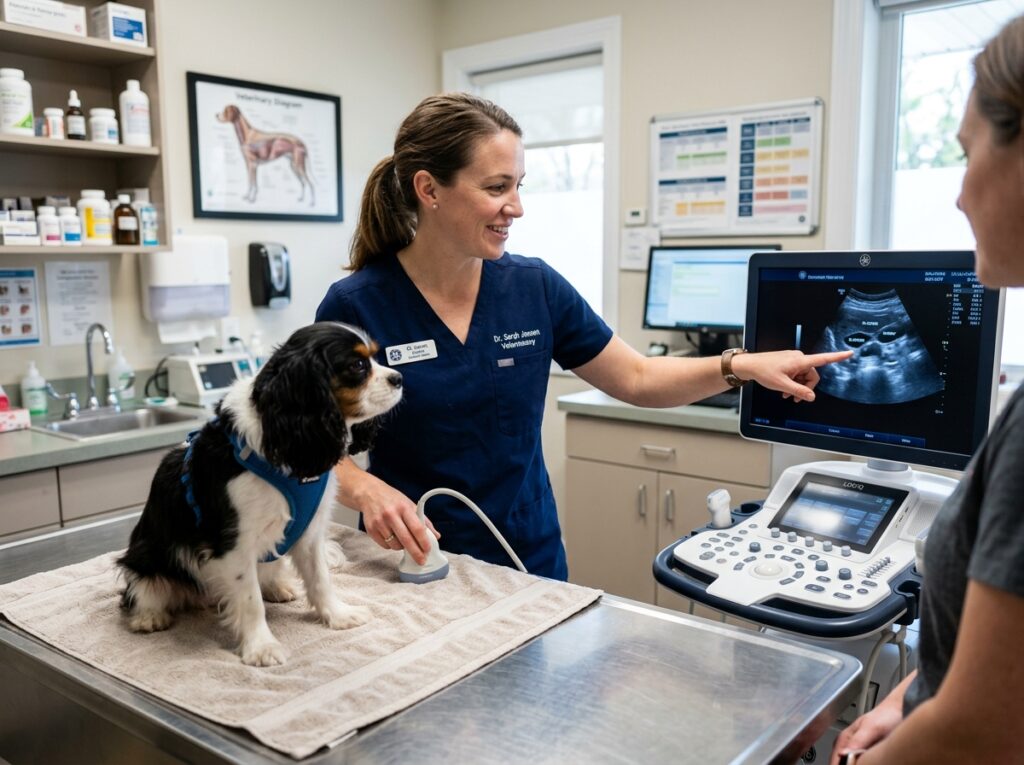
- Comprehensive Diagnostics: Alongside the cPL kit, vets will run blood tests to check inflammation markers (CRP), white blood cell counts, and kidney/liver functions. An abdominal ultrasound is also crucial to check for swelling or fluid around the pancreas.
Step 3: Hospitalization and IV Fluid Therapy
The cornerstone of treating pancreatitis in dogs is aggressive intravenous (IV) fluid therapy. This restores blood flow to the pancreas, corrects dehydration, and balances electrolytes. Because of this, intensive hospitalization is highly recommended over outpatient care.
During their stay, your dog will receive professional pain management, anti-nausea medication, and gastrointestinal protectants. Depending on the severity, hospitalization can last anywhere from 3 to 7 days.
Post-Recovery: Strict Dietary Management to Prevent Relapse
Even after a successful discharge from the hospital, the battle isn’t entirely over. A pancreas that has suffered acute inflammation is weakened. Without strict, long-term management, the condition can easily turn into chronic pancreatitis or flare up again.
Choosing Low-Fat Prescription Diets and Safe Treats
A dog recovering from pancreatic inflammation requires a fundamentally different diet. Under a vet’s guidance, you should transition them to a low-fat prescription diet where the fat content is kept below 10–12% on a Dry Matter (DM) basis.
- Avoid Regular Jerky: Say goodbye to standard commercial jerky and high-fat chews.
- Safe Reward Alternatives: If you need treats for training or hiding medication, utilize the canned version of their [🔗low-fat prescription dog food] or, after consulting your vet, offer tiny pieces of safe, low-fat vegetables like cucumber.
Regular Health Monitoring
Post-recovery, schedule regular vet visits to monitor cPL levels and blood lipid concentrations to ensure they remain stable. Keep a close eye on their Body Condition Score (BCS). Maintaining an optimal weight through portion control and gentle, regular walks is one of the best defenses against a relapse.
Summary: Act Fast to Protect Your Pet
Canine pancreatitis involves an excruciating amount of hidden pain for our voiceless companions. Because a delayed response can put extreme stress on multiple vital organs, acting quickly is your most important job as a pet parent.
Never rely on unverified home remedies, like feeding your dog human sports drinks. If your dog is repeatedly throwing up yellow bile, adopting a hunched posture, and showing signs of abdominal distress, remove all food and head straight to a veterinary professional, such as a clinic affiliated with the ASPCA. Your swift, informed judgment is the key to securing your beloved dog’s healthy tomorrow.
Do you have questions about managing your dog’s diet, or have you ever navigated a scary emergency like this with your furry best friend? Share your stories and tips in the comments below!