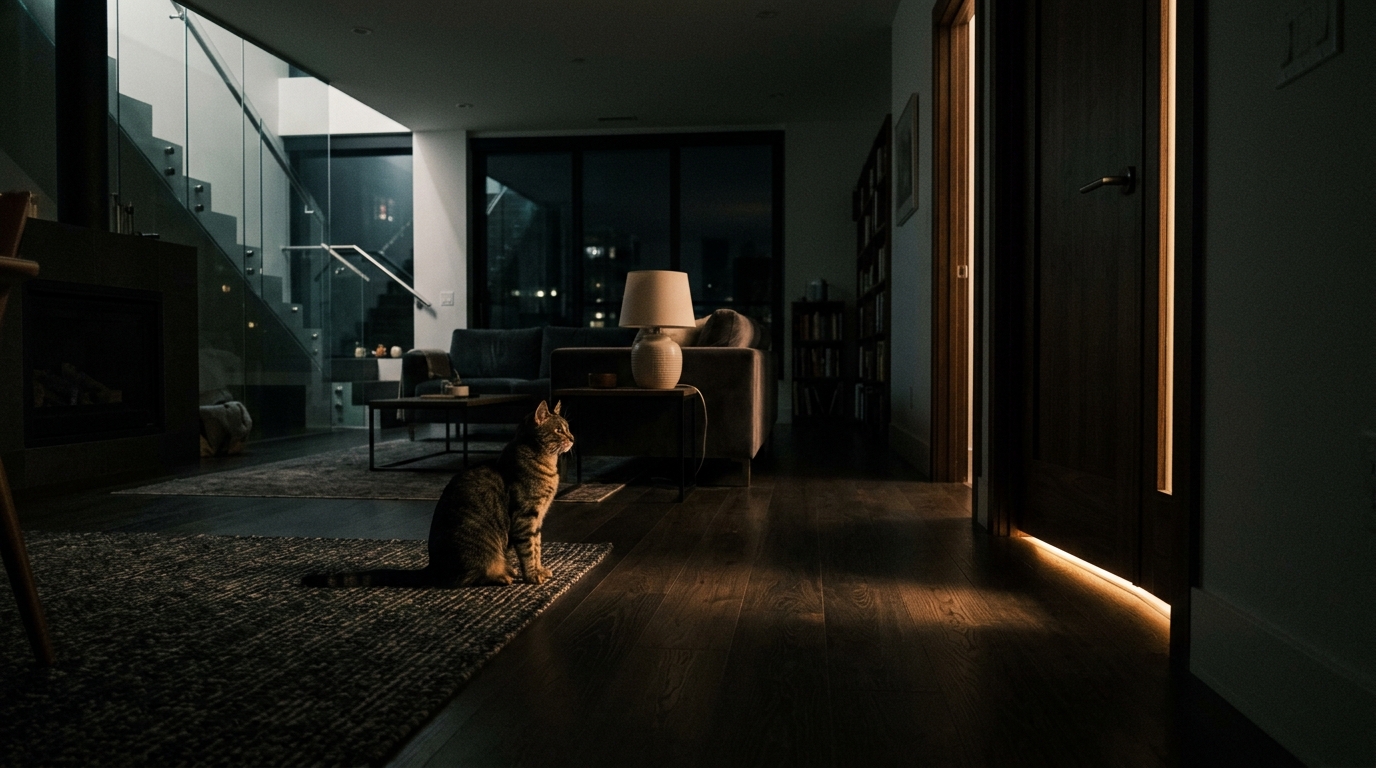
Did you know that nearly 50% of cats aged 15 and older suffer from Cognitive Dysfunction Syndrome (CDS), a feline equivalent of Alzheimer’s disease that often manifests as disorientation and vocalization after dark? Furthermore, one of the most common myths among pet parents is that felines are strictly nocturnal creatures. In reality, they are crepuscular—meaning their biologically programmed energy peaks occur precisely at dawn and dusk.
When you lie awake at 3:00 AM listening to persistent yowling, it is easy to assume your feline friend is simply acting out or trying to manipulate your sleep schedule. However, treating a feline cat yowling at night issue purely as a discipline problem often worsens the behavior. Whether you are dealing with a bored juvenile cat seeking attention or an older companion experiencing sensory decline, understanding the biological and medical drivers behind nighttime vocalization is the only way to reclaim your peaceful sleep.
Table of Contents
3 Core Reasons Behind Your Cat Crying at Night
Before implementing any behavioral modification techniques, we must pinpoint why the nocturnal distress calls are happening. Generally, unexpected late-night vocalizations stem from one of three primary triggers.
1. Crepuscular Energy Bursts and Learned Attention-Seeking
Many cat owners leave for work early in the morning, leaving their pets alone in a quiet, unstimulating home for eight to ten hours. During this period, your cat naturally conserves energy through long stretches of deep sleep. By the time midnight rolls around, their natural hunting instincts kick into overdrive.
If your companion realizes that letting out a loud yowl prompts you to get out of bed, call out their name, or offer a midnight snack, they instantly create a psychological association. In canine and feline behaviorism, even negative attention (like shouting “No!”) serves as a reward. Once rewarded, the habit of cats crying at night becomes a deeply ingrained, learned behavior.
2. Environmental Changes and Underlying Medical Distress
If an adult or senior cat suddenly begins vocalizing after dark without prior history, you must evaluate them for underlying pain or systemic illness before assuming it is a behavioral quirk. Several medical conditions frequently induce restlessness and distress when the house goes quiet:
- Hyperthyroidism: An overactive thyroid gland increases metabolism, causing extreme hunger, pacing, and loud nighttime vocalizations.
- Hypertension & Chronic Kidney Disease (CKD): High blood pressure often secondary to kidney failure can lead to severe headaches and neurological discomfort, causing cats to howl in confusion.
- Feline Lower Urinary Tract Disease (FLUTD): If your cat associates litter box trips with sharp pain, they may vocalize loudly during the night when trying to relieve themselves.
3. Cognitive Dysfunction Syndrome (CDS) in Aging Felines
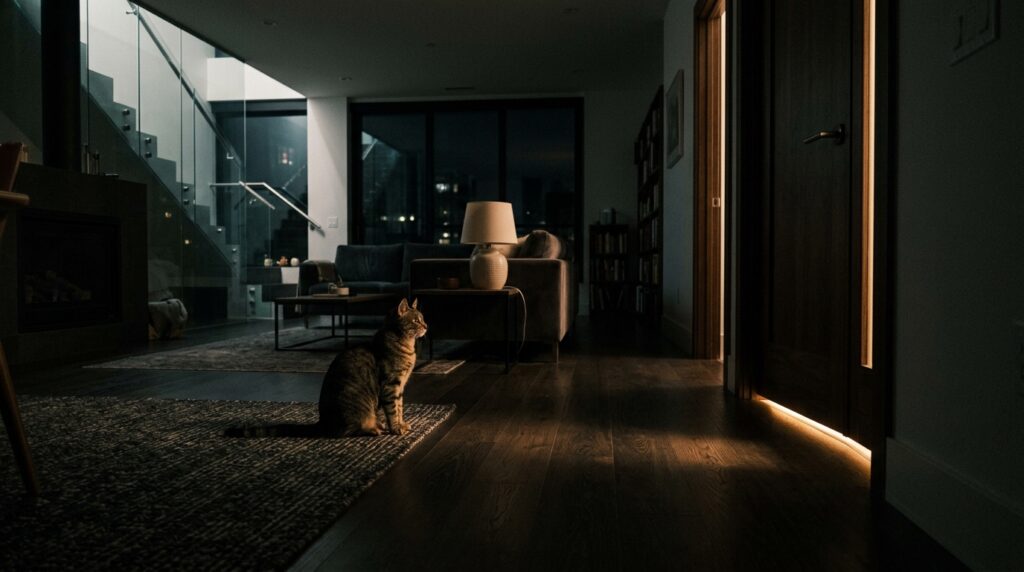
As cats enter their golden years (typically age 11 and older), their brain tissue undergoes physical changes. Sensory decline—such as deteriorating vision and hearing—combined with cognitive decline leaves senior cats feeling profoundly disoriented when lights are turned off. Without visual cues to navigate their territory, an elderly cat may wake up in a dark hallway, feel utterly lost, and vocalize loudly out of sheer anxiety.
For comprehensive resources on feline aging diseases, reputable veterinary organizations like the Cornell Feline Health Center provide extensive medical overviews on feline cognitive decline.
Step-by-Step Emergency Guide to Stop Nighttime Vocalization
Once veterinary screening confirms your pet is physically healthy, you can apply behavioral science to restore quiet to your home. Here is a proven three-step emergency protocol tailored for restless felines.
Step 1: The Rule of Perfect Ignorance and Extinction Protocols
To break a learned attention-seeking habit, you must initiate a strict extinction protocol. This means eliminating 100% of the reinforcement driving the vocalization.
- Zero Eye Contact or Verbal Response: When the crying begins, do not speak, sigh, get up, or toss a pillow. Any reaction validates their vocal effort.
- Prepare for the Extinction Burst: When a behavior that previously yielded results suddenly fails, an animal will try harder before giving up. Expect the vocalization to become significantly louder and more persistent for the first 3 to 5 nights. You must remain completely consistent during this phase; giving in during an extinction burst teaches your cat that they simply need to scream louder to get what they want.
Step 2: Execute a 20-Minute Pre-Bedtime Predatory Play Session
You can artificially manipulate your cat’s natural biological clock by mimicking their evolutionary hunting routine right before your own bedtime. This relies on the feline Predatory Cycle:
Hunt ➔ Catch ➔ Kill ➔ Eat ➔ Groom ➔ Sleep
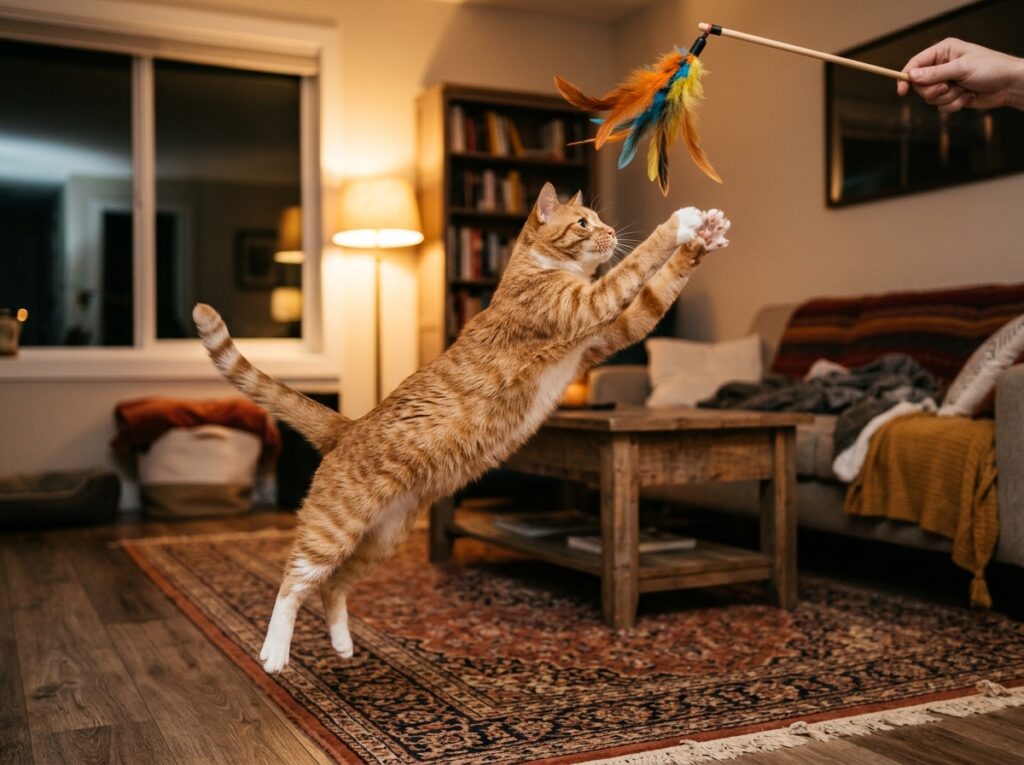
About one or two hours before you intend to sleep, engage your cat with an interactive wand toy for at least 20 minutes until they are physically panting or resting on their side. Immediately after the final successful “capture,” serve them their primary evening meal or a high-protein wet food portion. Digestion triggers a natural biological wind-down, leading directly to thorough grooming and deep, restorative sleep.
Step 3: Optimize the Nighttime Environment & Separate Sleep Zones
Small adjustments to your home setup prevent nighttime hunger spikes and spatial anxiety from interrupting your sleep cycle.
| Problem Area | Recommended Solution | Expected Behavioral Outcome |
| Early Morning Hunger | Program an automatic feeder to dispense a small portion 1–2 hours before your usual waking time. | Eliminates hunger-induced wake-up calls and decouples food delivery from your presence. |
| Midnight Boredom | Distribute puzzle feeders and snuffle mats containing dry kibble around the living area. | Redirects pent-up mental energy toward independent, self-rewarding foraging tasks. |
| Senior Disorientation | Install soft, motion-activated LED nightlights along hallways and near litter box zones. | Provides essential spatial landmarks for elderly cats suffering from poor night vision. |
| Space Separation | Close the bedroom door firmly while setting up a comfortable, dedicated resting sanctuary in the living room. | Establishes physical boundaries while ensuring the cat feels secure in their own designated zone. |
Long-Term Prevention: Mastering Environmental Enrichment
Resolving a nocturnal vocalization issue permanently requires looking beyond bedtime rituals and addressing how your pet spends their daytime hours. If a cat experiences profound mental stagnation from 9:00 AM to 6:00 PM, no amount of evening playtime can completely balance their energy levels.
Focus on comprehensive feline environmental enrichment throughout your home. Provide vertical climbing spaces like floor-to-ceiling cat trees, window perches looking out over active bird feeders, and self-activating electronic toys that rotate on timers throughout the afternoon. By creating a physically engaging day, you ensure your feline companion is genuinely fatigued by the time night falls.
Veterinary Disclaimer: Always remember that behavioral modifications should never replace medical intervention. If your cat exhibits sudden, uncharacteristic vocalization paired with weight loss, changes in litter box habits, or lethargy, consult a licensed veterinarian immediately.
Do you have a special routine that helped soothe your feline’s midnight vocalizations? Share your personal experiences and tips with our community in the comments section below!