Many diligent pet owners who rely on daily antioxidant supplements naturally wonder if their companion animals require the same nutritional support. In human nutrition, ascorbic acid (vitamin C) is an essential dietary requirement because our bodies cannot synthesize it autonomously. However, canine and feline metabolic systems function quite differently. While healthy dogs and cats biologically produce their own vitamin C, specific physiological stressors, aging, or underlying health conditions can influence their overall antioxidant demands. Here is an evidence-based veterinary evaluation regarding vitamin C for dogs and cats, outlining internal synthesis limits, potential toxicity risks, and safe dietary alternatives.
The Biology of Canine and Feline Vitamin C Synthesis
Unlike humans, guinea pigs, and certain primates, healthy dogs and cats possess the biological capability to synthesize ascorbic acid endogenously. This conversion occurs primarily inside the liver, where glucose is systematically converted into circulating vitamin C.
Because of this built-in metabolic function, established nutritional regulatory authorities—such as the Association of American Feed Control Officials (AAFCO)—do not classify vitamin C as a mandatory dietary nutrient for standard canine and feline maintenance diets. Under normal, healthy conditions, daily supplementation is physiologically unnecessary.
Physiological Stress and Internal Synthesis Limits
While healthy animals generate sufficient ascorbate autonomously, internal production rates may fall short during periods of heightened metabolic stress.
Table of Contents
1. Oxidative Stress and Cellular Demand
When an animal undergoes severe trauma, major surgical intervention, chronic illness, or extreme physical exertion, metabolic depletion rates accelerate rapidly. During these high-stress periods, the body produces high levels of free radicals—unstable molecules that cause cellular damage. If internal synthesis cannot scale fast enough to neutralize these free radicals, circulating antioxidant levels drop, temporarily leaving tissues vulnerable to oxidative stress.
In targeted clinical scenarios, veterinary professionals may utilize supplemental antioxidants to help protect cell membranes and support cellular recovery.
💡 Important Note: If a pet exhibits signs of chronic lethargy, severe stress, or delayed recovery from illness, always consult a licensed veterinarian prior to introducing standalone antioxidant supplements.
2. Supporting Collagen and Immune Function
Ascorbic acid acts as a vital cofactor in the biological synthesis of collagen, the primary structural protein forming articular cartilage, connective tissue, and skin. Maintaining adequate levels aids musculoskeletal support, particularly in fast-growing large breed puppies or senior pets experiencing structural joint strain.
Additionally, ascorbic acid supports leukocyte (white blood cell) function, protecting immune cells from self-inflicted oxidative damage during active immune responses.
Safe Dosages and the Dangers of Overdosing
Because water-soluble vitamins are excreted via the kidneys when ingested in excess, routine over-supplementation carries documented health risks for companion animals.
Impacts on Renal and Gastrointestinal Health
Excess ascorbate metabolized by the body is filtered by the kidneys and excreted into the urine. This breakdown process increases the urinary excretion of oxalate compounds, which can significantly alter urine pH and accelerate the formation of calcium oxalate urinary crystals or kidney stones in predisposed animals.
Furthermore, ascorbic acid is inherently acidic. High supplemental doses frequently irritate the gastrointestinal mucosal lining, causing adverse clinical symptoms such as:
- Acute osmotic diarrhea
- Vomiting and nausea
- Abdominal cramping and discomfort
Feline gastrointestinal tracts are notably sensitive to acidic shifts, meaning cats are significantly more vulnerable to digestive distress from minor dosing overages.
Safe Supplementation Protocols
When antioxidant supplementation is medically warranted, dosing must be strictly calibrated to the pet’s lean body weight and kidney function status. High-dose administration without baseline blood work and routine urinalysis must be avoided.
Whole-Food Alternatives to Synthetic Pills
For pet owners seeking to provide safe, natural antioxidant enrichment without the risks associated with concentrated synthetic pills, incorporating whole-food treats is the preferred approach.
Safe Whole-Food Options
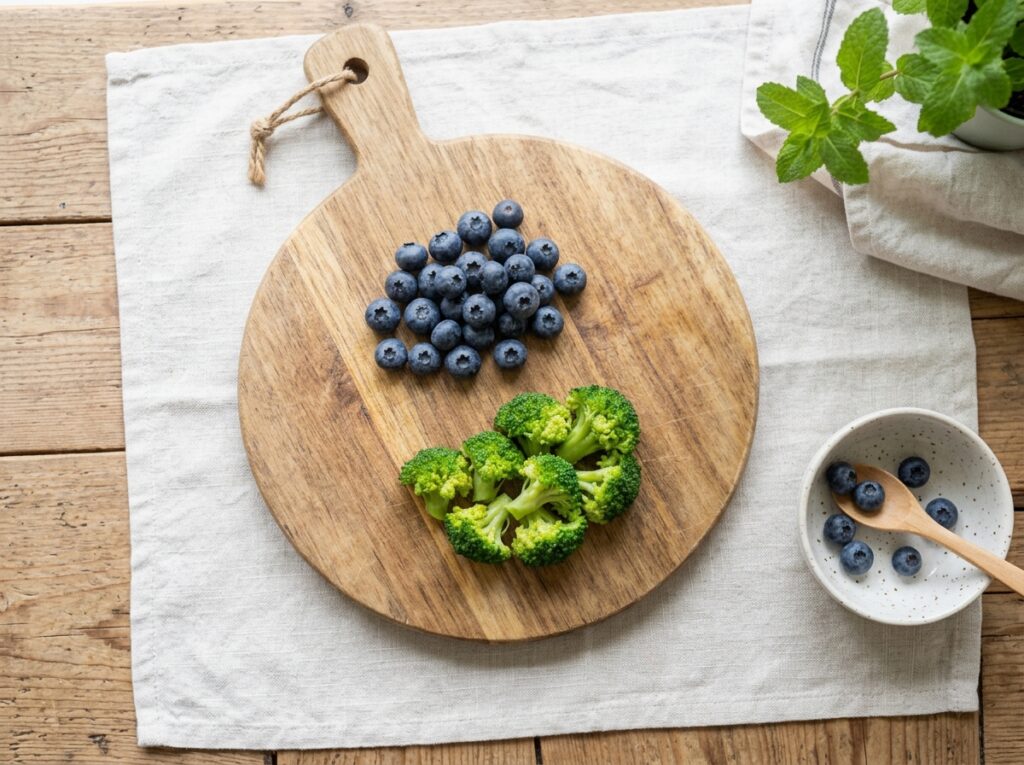
Small quantities of fresh, low-glycemic produce can provide beneficial antioxidants alongside dietary fiber:
- Blueberries: Fresh and thoroughly washed, offering high anthocyanin levels.
- Broccoli: Lightly steamed or blanched to soften cellulose and prevent gas build-up.
- Strawberries: Cut into small, bite-sized pieces with leaves removed.
Critical Feeding Rules
When offering fresh produce, strict dietary boundaries must be maintained:
- The 10% Rule: Treats and fresh additions must never exceed 10% of a pet’s total daily caloric allowance to prevent weight gain and nutritional imbalance.
- Preparation: Remove all seeds, pits, and tough fibrous stems prior to feeding to eliminate choking hazards and cyanide toxicity risks.
- Toxic Foods to Strictly Avoid: Never feed grapes, raisins, currants, or onions/garlic under any circumstances. While these items contain vitamins, they contain compounds that are acutely toxic and potentially fatal to both dogs and cats. Citrus fruits should also be avoided due to high acidity and essential oils that trigger gastrointestinal upset.
Summary
Under normal physiological conditions, dogs and cats autonomously synthesize sufficient vitamin C to meet their metabolic needs, making routine daily supplementation unnecessary. Uncontrolled overdosing risks severe gastrointestinal irritation and urinary stone formation. If specialized health management is required due to advanced age or illness, consult a veterinary professional to establish a safe, individualized care plan.