I know exactly how frustrating it is when your beloved companion dog gets carsick. My Bokdol, for instance, would start barking and getting restless the moment we hit the road, making trips impossible. This common issue, often called `dog car sickness solutions`, can turn what should be fun outings into stressful experiences for both pets and owners. Many of us want to take our furry family members everywhere, but canine motion sickness often stands in the way. It’s time to understand the root causes and explore practical steps to help our dogs enjoy car travel.
Table of Contents
Understanding dog car sickness solutions: Why Dogs Get Sick in Cars
Dog car sickness isn’t just about throwing up; it often includes drooling, lethargy, excessive panting, whining, and even barking. Understanding the underlying reasons is the first step toward finding effective `dog car sickness solutions`.
Vestibular System Sensitivity
Just like humans, dogs have a vestibular system in their inner ear that controls balance and spatial orientation. Immature or overly sensitive vestibular systems, common in puppies, can easily be disrupted by the motion of a car, leading to motion sickness. Their brains receive conflicting signals: their eyes see stationary objects inside the car, but their inner ear senses movement.
Negative Associations and Anxiety
For many dogs, car rides are associated with unpleasant events like vet visits or being left alone. This can create powerful negative associations, triggering anxiety even before the car starts moving. The stress and fear alone can induce nausea and other sickness symptoms, even if the physical motion isn’t a primary trigger.
Early Experiences Matter
A dog’s first experiences with car travel can significantly impact their future comfort. If initial rides are long, bumpy, or lead to sickness, they might develop a lifelong aversion. Positive, short, and frequent early exposures can build a much stronger foundation for happy travels.
Practical dog car sickness solutions for a Smoother Ride
Once you understand the ‘why,’ you can implement various `dog car sickness solutions` to transform car rides from a nightmare into a pleasant experience.
Gradual Acclimation to the Vehicle
Start by simply letting your dog sit in the stationary car with you, offering treats and praise. Gradually introduce short trips around the block, slowly increasing duration and distance as your dog shows comfort. Always end on a positive note.
Environmental Adjustments
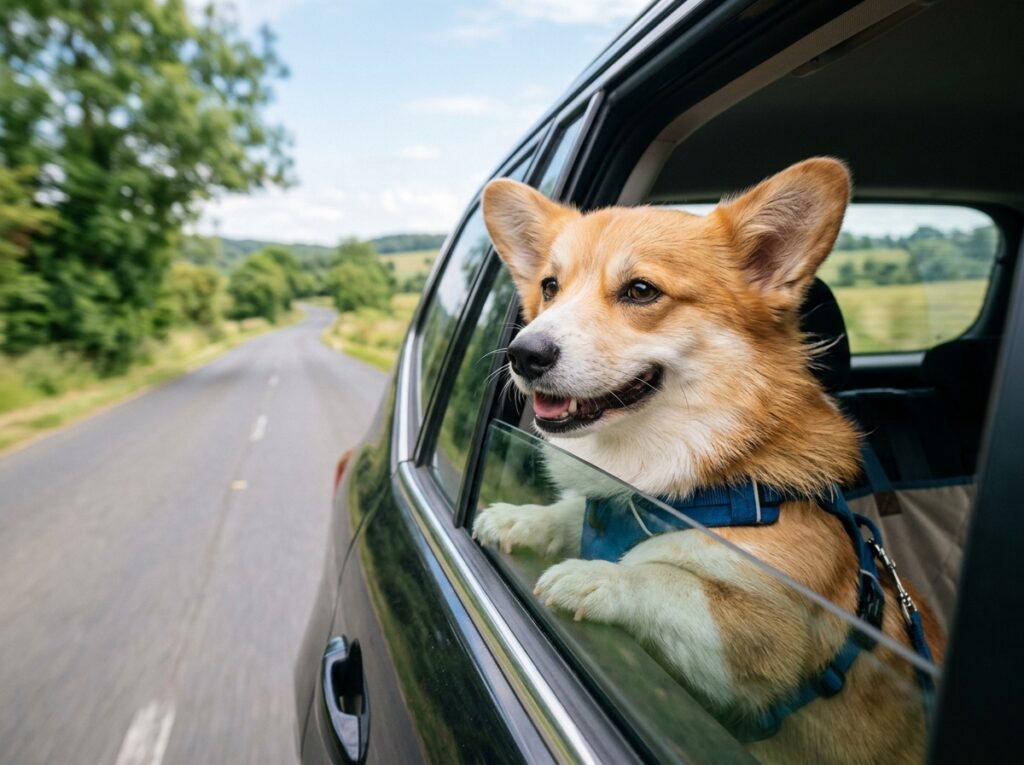
- Visibility: Some dogs feel better if they can see out the window. Others prefer a more enclosed space like a secured crate, which can reduce visual stimulation and provide a den-like comfort.
- Temperature & Ventilation: Keep the car cool and well-ventilated. A stuffy car can exacerbate nausea.
- Food & Water: Avoid feeding your dog a large meal right before travel. Offer small amounts of water during longer stops.
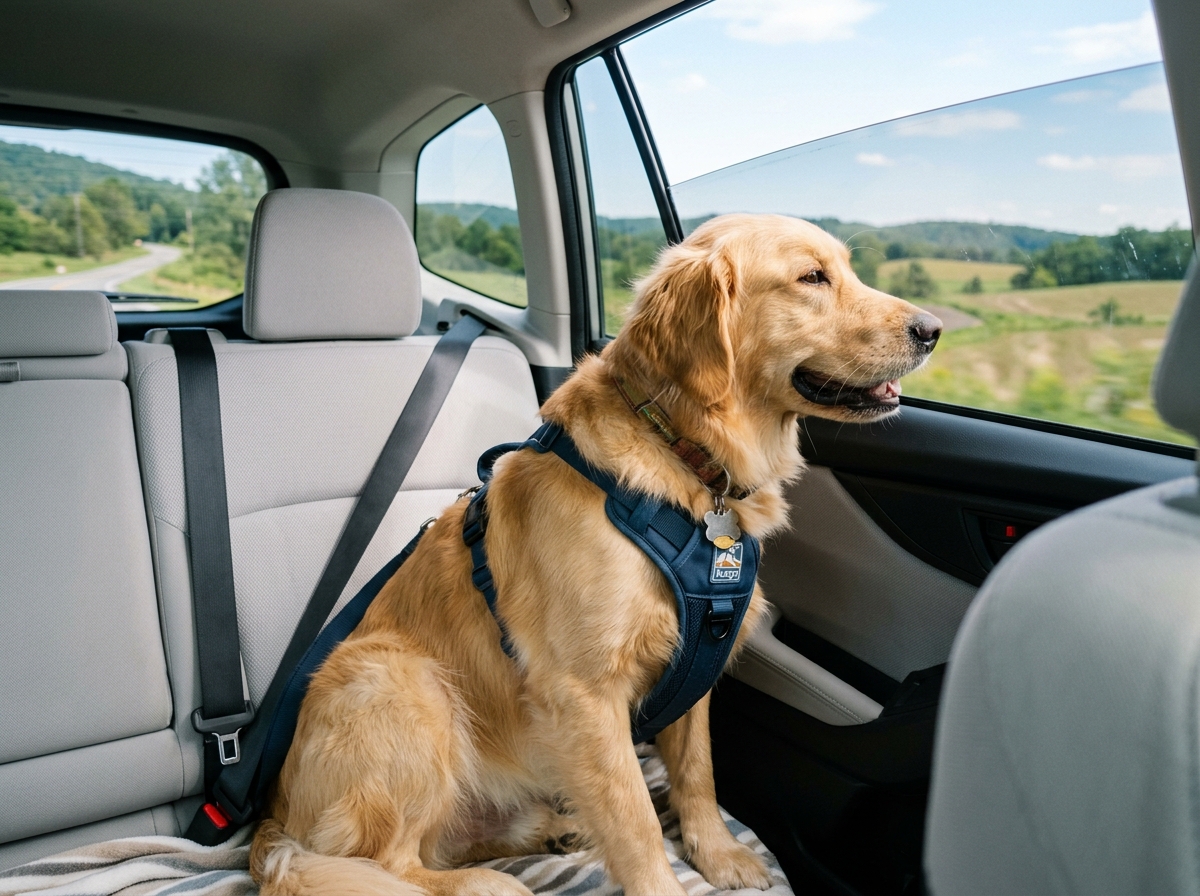
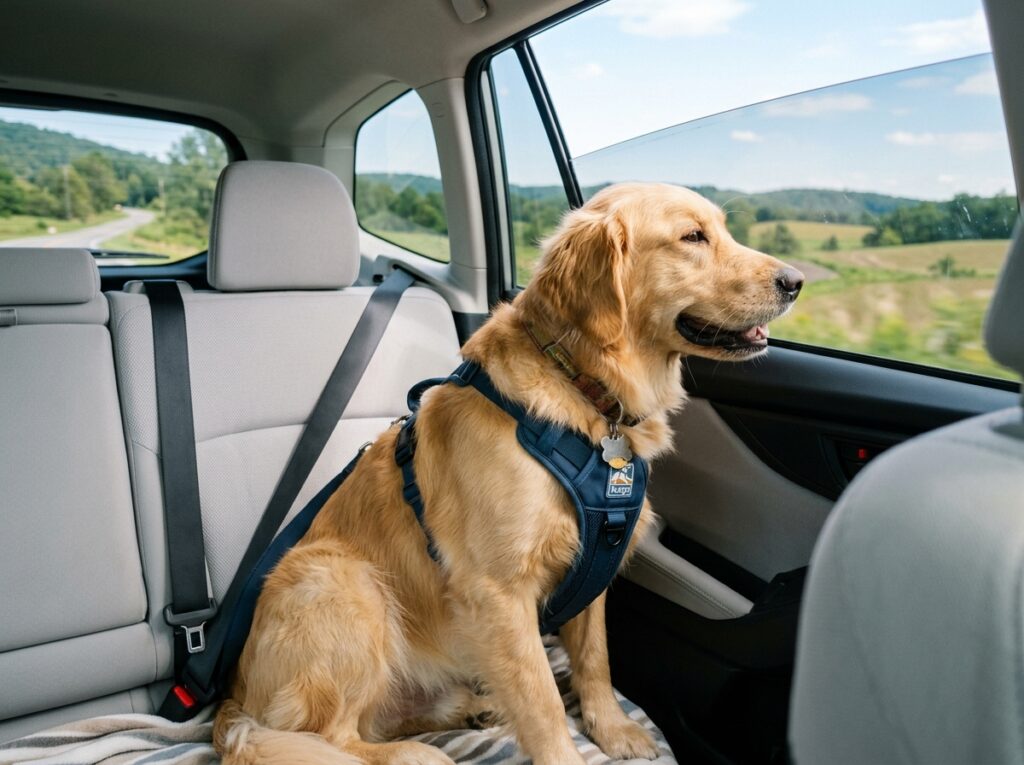
- Safety First: Always secure your dog with a seatbelt harness or in a crash-tested crate. This is for their safety and helps prevent them from being tossed around, which can worsen motion sickness.
Dietary and Medication Approaches
For persistent car sickness, your veterinarian might recommend anti-nausea medications. There are also natural remedies like ginger or pheromone sprays that some owners find helpful. Always consult with your veterinary guidance before administering any medication or supplement to your dog.
Training and Calming Strategies
Positive reinforcement training can create positive associations with the car. Reward calm behavior. Consider using calming products such as thunder shirts or specific calming strategies that can help reduce general dog anxiety, which often contributes to car sickness.
When Professional Help Becomes Important
If despite trying various `dog car sickness solutions`, your dog continues to suffer severely, it’s important to seek professional help. A veterinarian can rule out any underlying medical conditions and prescribe stronger medications if necessary. For behavioral issues, a certified professional dog trainer or veterinary behaviorist can provide tailored guidance and behavior modification plans.
Helping your dog overcome car sickness is a journey that requires patience and consistency. By understanding the causes and implementing these practical strategies, you can significantly improve your dog’s travel experience and open up a world of new adventures together. Remember, a happy traveler means more shared memories!